Music has the power to transcend time, touch emotions, and connect people across generations. One such iconic folk song that has stood the test of time is “Kadi Avoni Rasila Mhare Desh”. This song holds a special place in Rajasthani folk culture and has been celebrated for its deep-rooted heritage, evocative lyrics, and melodious rhythm.
In this blog post, we will explore the legacy of “Kadi Avoni Rasila Mhare Desh”, its historical significance, cultural impact, and the reasons behind its lasting popularity.
Legacy of Kadi Avoni Rasila Mhare Desh Song
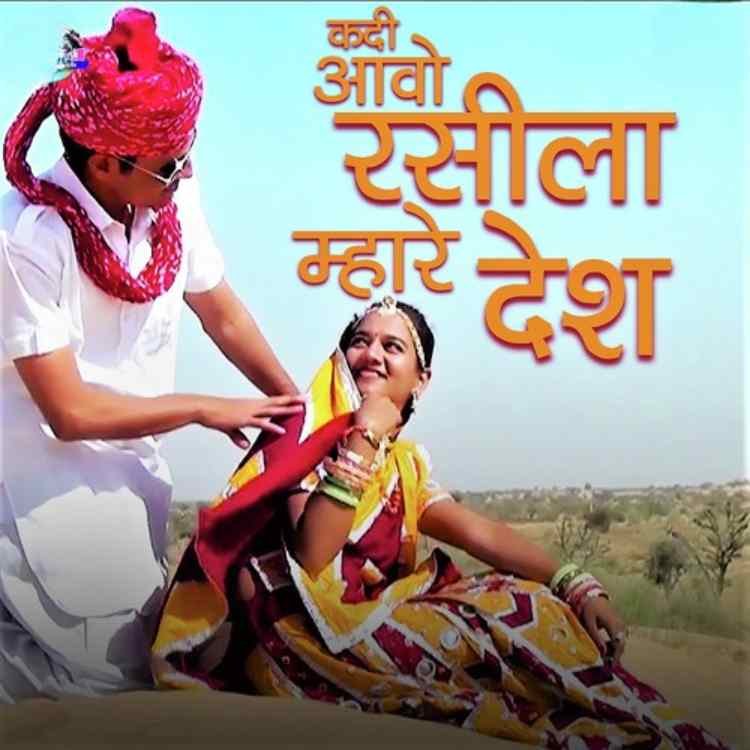
🎵 Origins and Cultural Significance
“Kadi Avoni Rasila Mhare Desh” is a traditional Rajasthani folk song that reflects the essence of rural Rajasthan. This song embodies themes of love, longing, and devotion, making it an integral part of Rajasthan’s rich musical heritage.
Key Features of the Song’s Cultural Significance:
- Folk Roots – The song belongs to the traditional folk music of Rajasthan, which is deeply influenced by the desert landscape and local traditions.
- Themes of Love and Separation – The lyrics narrate the emotions of a beloved waiting for their loved one to return, a common theme in Rajasthani folklore.
- Melodic Composition – The tune carries a unique rhythm that is both soulful and energetic, making it a favorite for folk performances.
- Traditional Instruments – The song is often performed using classic Rajasthani instruments like the sarangi, dholak, and algoza, adding to its authenticity.
📜 Historical Background of Rajasthani Folk Music
Rajasthani folk music has a long and rich history, dating back centuries. The region’s folk songs are often inspired by real-life stories, historical events, and local legends. “Kadi Avoni Rasila Mhare Desh” is believed to have originated in rural Rajasthan, where women would sing it while waiting for their loved ones, expressing their emotions through heartfelt lyrics.
Key Elements of Rajasthani Folk Music:
- Vibrant storytelling – Songs are often used to narrate historical and mythological events.
- Unique rhythms and beats – Instruments like the ektara, morchang, khartal, and ravanhatta are used to create distinct sounds.
- Themes of love, valor, and devotion – Many folk songs highlight the sacrifices of warriors, the love between separated lovers, and spiritual devotion.
🌍 Impact and Popularity of “Kadi Avoni Rasila Mhare Desh”
This song has been performed and adapted by many folk artists over the years. Its timeless appeal has led to its presence in various cultural settings, including:
- Traditional Rajasthani Weddings – The song is often sung at weddings and festive occasions, adding to the celebratory atmosphere.
- Folk Dance Performances – Many Ghoomar and Kalbelia dancers perform to this song, making it a staple of Rajasthani cultural showcases.
- Bollywood and Media Influence – Elements of Rajasthani folk music, including songs like this one, have inspired Bollywood filmmakers and musicians.
- Social Media and Revival – The song has found new audiences through YouTube, Instagram reels, and folk music revival projects.
🎶 Musical Composition and Instruments Used
The melody of “Kadi Avoni Rasila Mhare Desh” is a blend of soulful and rhythmic beats, making it a favorite among folk enthusiasts.
Key Instruments Used:
- Sarangi – Adds a melancholic and expressive tone.
- Dholak – Provides a rhythmic base that drives the song.
- Algoza – A wind instrument that enhances the folk essence.
- Khartal and Morchang – Create additional beats and percussion effects.
The combination of these instruments brings the song to life, making it an iconic piece in Rajasthan’s musical landscape.
💃 Performances and Traditional Dances
The song is not just a melody but an experience that is often accompanied by traditional Rajasthani dance forms. Some of the popular dances performed with this song include:
- Ghoomar – A graceful dance performed by women in swirling ghagras.
- Kalbelia – A snake-charming dance performed by the Kalbelia community.
- Terah Taali – A rhythmic performance where dancers use manjiras (small cymbals) to create mesmerizing beats.
- Bhavai Dance – A balancing act where women dance while balancing multiple pots on their heads.
📡 Modern Adaptations and Digital Presence
In today’s digital era, folk music is no longer limited to villages and local gatherings. Songs like “Kadi Avoni Rasila Mhare Desh” have reached a global audience through platforms like YouTube, Spotify, and social media.
How the Song is Being Revived Today:
- Folk Bands and Fusion Artists – Artists are blending traditional folk with contemporary music.
- Bollywood and Indie Cinema – Many filmmakers incorporate Rajasthani folk tunes in their soundtracks.
- Live Performances at Cultural Festivals – Events like Rajasthan International Folk Festival (RIFF) keep these traditions alive.
- Social Media Trends – Viral videos on Instagram and YouTube bring new life to old classics.
🎤 Why “Kadi Avoni Rasila Mhare Desh” Remains Relevant Today
Even after decades, the song continues to resonate with people due to:
- Its deep emotional appeal – The lyrics speak to universal emotions of longing and love.
- Connection to Rajasthan’s rich heritage – The song is a beautiful representation of Rajasthani culture.
- Timeless melody – The tune remains fresh and captivating for all generations.
- Influence on new-age music – Many contemporary artists are bringing folk music to the mainstream.
- Strong storytelling element – Folk songs like this preserve historical and cultural narratives.
🔥 Conclusion – The Everlasting Charm of “Kadi Avoni Rasila Mhare Desh”
The legacy of “Kadi Avoni Rasila Mhare Desh” goes beyond just music—it is a symbol of Rajasthan’s vibrant cultural identity. Whether played in a traditional setting or remixed for modern audiences, the song continues to captivate listeners across generations.
As folk music finds new ways to thrive, this song remains a timeless treasure that keeps the spirit of Rajasthan alive.
Have you ever heard this song live or in a performance? Let us know your thoughts in the comments! 🎶✨