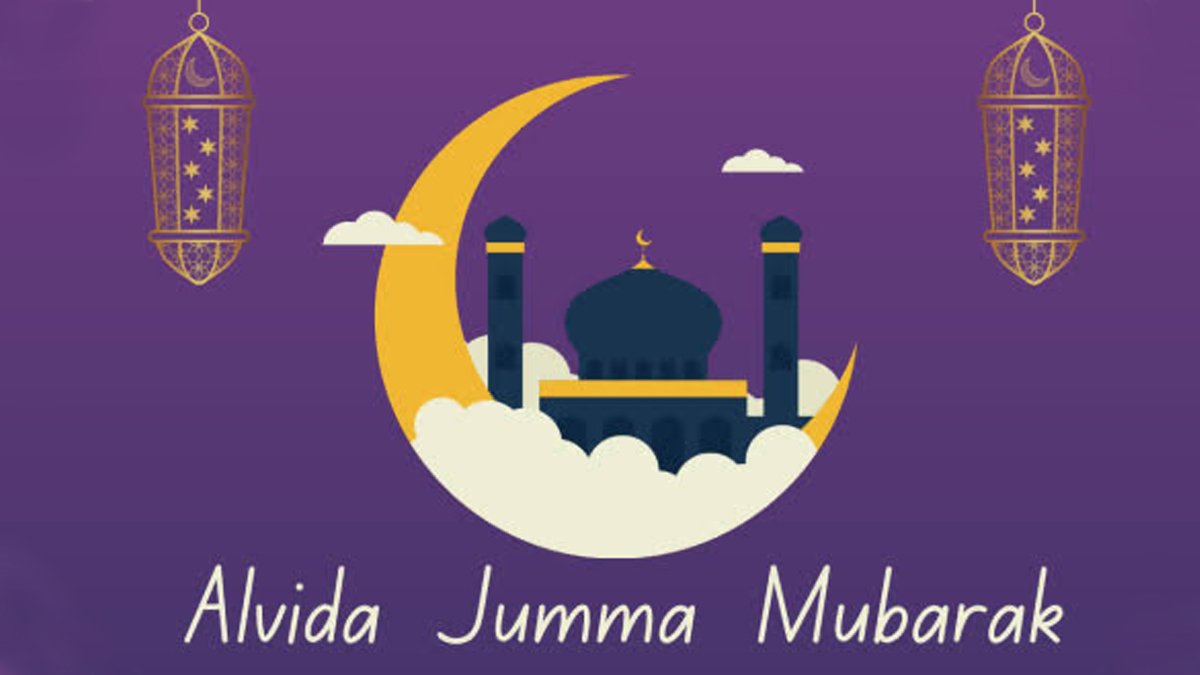
Jamat-Ul-Vida, also known as the “Friday of Farewell,” is the last Friday of the Islamic holy month of Ramadan. This day holds immense significance for Muslims worldwide as they bid farewell to the sacred month and seek Allah’s mercy, blessings, and forgiveness. Jamat-Ul-Vida is observed with great reverence, prayers, and charity, marking one of the holiest days in the Islamic calendar.
The Significance of Jamat-Ul-Vida
The word “Jamat-Ul-Vida” is derived from two Arabic words:
- “Jumu’ah” (Friday): The holiest day of the week in Islam, dedicated to special congregational prayers.
- “Al-Wida” (Farewell): Signifying a heartfelt goodbye, in this case, to the sacred month of Ramadan.
Fridays are already of paramount importance in Islam. The Prophet Muhammad (PBUH) emphasized the sanctity of Jumu’ah, calling it the “best day upon which the sun has risen” (Sahih Muslim). However, the last Friday of Ramadan is considered even more special, as it marks the conclusion of a month filled with fasting, prayer, and devotion.
Observances and Traditions of Jamat-Ul-Vida
1. Special Jumu’ah (Friday) Prayers
Muslims gather in large numbers in mosques for the special Jumu’ah prayer, which consists of two rakats (units of prayer) and a sermon (khutbah) delivered by the Imam. On Jamat-Ul-Vida, mosques witness an even greater congregation as believers seek divine blessings.
2. Dua (Supplication) and Seeking Forgiveness
Muslims devote extra time to dua (supplication), asking for forgiveness, guidance, and acceptance of their Ramadan prayers and fasts. It is believed that sincere prayers on this day are readily accepted by Allah.
3. Recitation of the Holy Quran
Many Muslims complete the recitation of the Holy Quran on this day. Ramadan is the month of revelation of the Quran, and Jamat-Ul-Vida serves as a reminder to uphold its teachings throughout the year.
4. Charity and Helping the Needy
Giving charity (sadaqah and zakat) is a key aspect of Jamat-Ul-Vida. Muslims donate generously to those in need, ensuring that everyone can celebrate the upcoming festival of Eid-ul-Fitr with dignity.
5. Seeking the Night of Power (Laylat-ul-Qadr)
Jamat-Ul-Vida falls within the last ten nights of Ramadan, which include Laylat-ul-Qadr (The Night of Power). Many believers continue their prayers and spiritual activities through the night, seeking immense rewards.
Historical and Spiritual Importance
According to Islamic traditions, Prophet Muhammad (PBUH) placed great emphasis on Jumu’ah prayers and encouraged his followers to engage in increased worship, charity, and righteous deeds.
Jamat-Ul-Vida is a reminder that Ramadan is coming to an end, urging Muslims to reflect on their actions, strengthen their faith, and carry the spirit of Ramadan throughout the year. It also signifies the preparation for Eid-ul-Fitr, the joyous festival marking the end of fasting.
Dua for Jamat-Ul-Vida
On this blessed day, Muslims recite special duas (prayers), seeking Allah’s mercy and guidance. A common supplication is:
“Allahumma innaka ‘afuwwun tuhibbul ‘afwa fa’fu ‘anni”
(“O Allah, You are Most Forgiving, and You love forgiveness, so forgive me.”)
Conclusion
Jamat-Ul-Vida is more than just a farewell to Ramadan; it is an opportunity for spiritual renewal, gratitude, and devotion. Muslims across the world come together in prayer, reflect on their faith, and pledge to continue their righteous ways beyond Ramadan.
As we observe this sacred day, let us pray for peace, prosperity, and unity, and may Allah accept our prayers, fasts, and good deeds. Ameen.