Veneers are an excellent option for anyone looking to improve the appearance of their smile. However, to get the most out of your investment and maintain that perfect smile for years to come, it is essential to care for your veneers properly. If you have recently had veneers placed, or are considering them, you might wonder: what is the best way to keep them looking their best? And given the fact that there is a high demand for a perfect-looking smile these days, what is the current dental veneer price in Singapore? Although veneers can cost a pretty penny, taking care of veneers is not too difficult.
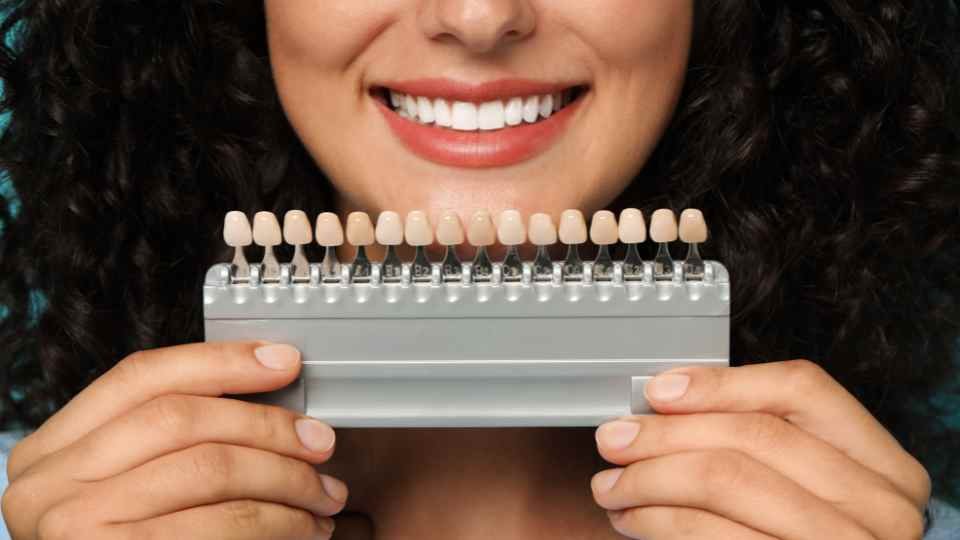
First things first – the real cost of veneers in Singapore
If you are considering veneers in Singapore, it is important to be prepared for the cost, as it can vary depending on several factors. On average, the price for a single veneer in Singapore can range between SGD 1,000 to SGD 3,000. This price typically depends on the material used (porcelain veneers tend to be more expensive than composite resin), the complexity of the procedure, and the dentist’s experience.
While porcelain veneers are more durable and stain-resistant, they often come at a higher cost due to the intricate nature of their placement and the materials involved.
Now that you have an idea about the cost, let us discuss the steps on how to take care of your investment!
Brush and floss regularly
The first and most important step in caring for your veneers is maintaining a good oral hygiene routine. Veneers themselves are designed to last, but the teeth underneath them need to stay healthy in order to support your smile for the long run. Brushing twice a day and flossing once a day should be the foundation of your dental routine, whether you have veneers or not.
When brushing, it is important to use a soft-bristled toothbrush. Hard bristles can damage the surface of your veneers over time, leading to scratches or dullness. It is also a good idea to use a non-abrasive toothpaste. While toothpaste that is too abrasive can damage the veneers, it can also wear down the natural enamel on your teeth. Opt for a fluoride-based toothpaste that is gentle yet effective at removing plaque without causing harm.
Flossing is just as important. While veneers can cover imperfections on the front of your teeth, they do not protect the areas between your teeth. If plaque builds up in these areas, it can lead to gum disease, bad breath, and even cavities under the veneers. Be gentle when flossing to avoid damaging the veneer edges, and consider using waxed floss, which glides more easily between teeth and is less likely to snag.
Avoid hard foods and bad dental habits
One of the benefits of dental veneers in Singapore is that they are durable, but they are not indestructible. Veneers are more resilient than natural teeth in many ways, but they can still chip, crack, or become damaged if subjected to too much force. This means you should avoid hard foods, like nuts, hard candies, and ice, which can crack or damage both veneers and the underlying teeth.
Beyond food, certain habits can also put your veneers at risk. If you tend to grind your teeth at night (a condition known as ‘bruxism’), you may want to invest in a mouthguard. Grinding can wear down the surface of your veneers and cause them to become prematurely dull or damaged. Likewise, chewing on pens, biting your nails, or opening packages with your teeth should be avoided. These behaviours not only harm your veneers but can also damage your natural teeth.
If you are into any kind of sports, it is a good idea to wear a mouthguard to protect both your veneers and your natural teeth from potential injuries. Even something as simple as accidentally getting hit in the mouth can cause damage if you are not careful.
Watch what you eat and drink
While veneers are stain-resistant, they are not completely immune to discolouration. Food and drinks like berries, coffee, red wine, and tea can lead to staining over time. For those who are heavy coffee drinkers or wine enthusiasts, it might be wise to limit the consumption of these items or rinse your mouth with water immediately after eating or drinking them.
If you do consume staining foods or drinks, try to brush your teeth shortly after. Of course, you do not need to obsess over every cup of coffee, but taking proactive steps can help preserve the white sheen of your veneers.
Also, be cautious with acidic foods. Citrus fruits, tomatoes, and vinegar-based dressings can soften the enamel of your natural teeth, and although veneers are resistant to these acids, they can still wear down the surrounding enamel. If you indulge in these foods regularly, you should drink water afterward to neutralise the acid and protect your teeth.
Get regular dental checkups
Even though your veneers might look flawless, your natural teeth and gums need regular attention from a professional. Routine dental visits should continue every six months or as recommended by your dentist. A dentist will check for any potential issues, such as signs of decay, gum disease, or any wear on your veneers.
During these visits, your dentist can also professionally clean your veneers, removing any plaque or tartar that may have built up despite regular brushing. This ensures that your veneers stay in top condition and that your overall oral health remains intact. If there are any concerns about your veneers, such as loosening or cracking, your dentist can address them early, avoiding more significant problems down the road.
Be mindful of dental whitening products
If you have had veneers placed and are thinking about whitening your teeth, be cautious. While your natural teeth can benefit from whitening treatments, veneers do not respond to whitening agents the same way. Most whitening products will not affect the colour of your veneers, and using them can lead to uneven colouring between your natural teeth and your veneers.
Consult your dentist first if you are planning to whiten your natural teeth after getting veneers. They may recommend whitening your teeth before getting veneers, so everything matches. If you have concerns about the appearance of your veneers after whitening, your dentist might suggest professional cleaning or touch-up work.
Consider touch-ups or replacement as needed
Over time, veneers may become worn or discoloured, and occasionally, one might chip or crack due to excessive force. Do not panic if this happens — any damage is completely fixable. Small chips can be smoothed out, while larger cracks might require full replacement. The material used for dental veneers (porcelain or composite resin) can also impact how long they last, so be sure to discuss your options with your dentist before getting veneers to understand the longevity and maintenance involved.
Regular touch-ups can help maintain that flawless look, keeping your smile fresh for years to come. In case your veneers have lost their shine, your dentist can buff them or apply a new layer of glaze to restore their lustre.
Conclusion
Dental veneers in Singapore are a fantastic way to achieve a picture-perfect smile, but like any investment, they require some care and attention to maintain their beauty and longevity. By brushing and flossing regularly, avoiding hard foods and bad habits, and scheduling regular checkups with your dentist, you will ensure your veneers stay in excellent condition for years to come (about 10 to 15, if you take really good care of them).
Dennis Tan Dental – Dr Dennis Tan Meng Kok, Dental Surgeon
22 Malacca St,
#03-01, RB Capital Building
Singapore 048980
🌐 https://dennistan.com.sg/
📞 Phone: +65 6348 5622
📱 WhatsApp: +65 8874 7681