
Foetus: Pronunciation, Meaning, Explanation, and Related Terminology:
Pronunciation of Foetus
- Phonetic: /ˈfiːtəs/
- IPA: [ˈfiːtəs]
Breaking it down:
- The word foetus is pronounced as FEE-tuhs.
- The first syllable, “FEE,” sounds like the word “fee,” with a long “ee” sound.
- The second syllable, “tuhs,” is pronounced as a short, unstressed sound similar to “tus” in “status.”
Meaning of Foetus
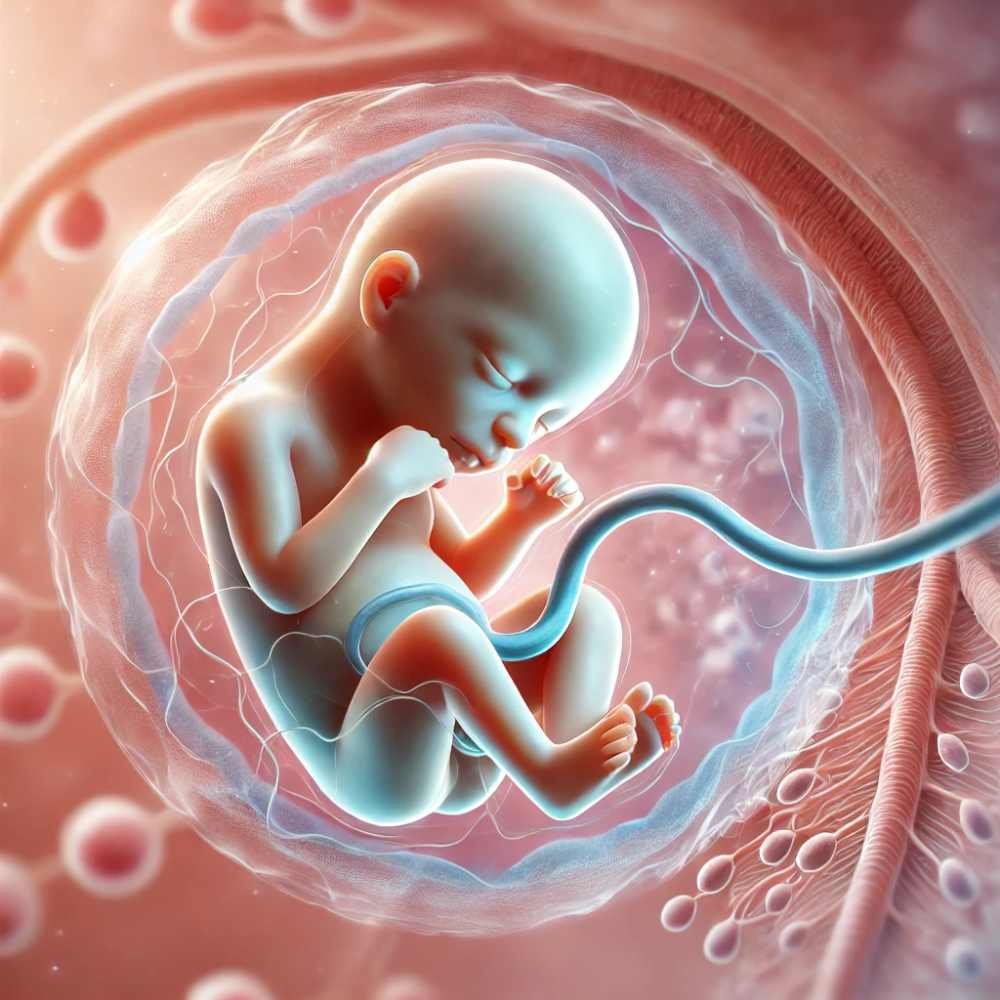
A foetus refers to the developing human or animal after the embryonic stage and before birth. In human terms, this stage starts from the ninth week of pregnancy and continues until birth. The development of a foetus is marked by the rapid growth of tissues, organs, and body systems that allow it to survive outside the mother’s womb.
In general, a foetus has formed most of its organs by the end of the first trimester and begins a more rapid growth phase in the second and third trimesters. This term is used in both medical and biological contexts to describe the crucial stages of life before birth.
Detailed Explanation
The word foetus comes from the Latin word “fētus,” meaning offspring or bringing forth. In British English, the spelling “foetus” is more commonly used, while the American English spelling is “fetus.”
The development of a foetus in humans typically involves three key trimesters:
- First Trimester (Weeks 1-12): The embryo transitions to the foetus stage at week 9. During this time, the basic structure of the brain, heart, and other organs is formed.
- Second Trimester (Weeks 13-26): The foetus grows significantly, and vital systems such as the nervous and circulatory systems become more functional. Movements may also start being noticeable to the mother.
- Third Trimester (Weeks 27-birth): This is the final stage of foetal development where the foetus prepares for life outside the womb, gaining weight, maturing its lungs, and responding to external stimuli like sound and light.
During these stages, the foetus relies entirely on the placenta for nutrients and oxygen. Any disruptions in this process, such as infections or nutritional deficiencies, can lead to complications.
Usage Examples
- Medical Context:
“The ultrasound revealed that the foetus was growing normally, with a strong heartbeat detected at 10 weeks.” - Legal Context:
“In many countries, there are ethical debates surrounding the rights of the foetus, particularly in discussions on abortion.” - Scientific Context:
“Research on foetal development has led to significant advancements in prenatal care and diagnostics.” - Conversation Example:
“At 20 weeks, the foetus is already moving, and the mother can feel gentle kicks.”
Related Terminology
- Embryo
- Definition: The early stage of human development, from fertilization to about the eighth week of pregnancy. At this point, it transitions into a foetus.
- Example: “The embryo implants into the uterine lining shortly after conception.”
- Placenta
- Definition: An organ that develops in the uterus during pregnancy, connecting the foetus to the mother’s blood supply and providing oxygen and nutrients.
- Example: “The placenta plays a critical role in nourishing the foetus throughout pregnancy.”
- Amniotic Fluid
- Definition: The fluid surrounding the foetus in the amniotic sac, which provides protection and allows for movement.
- Example: “The amniotic fluid cushions the foetus and helps regulate temperature.”
- Trimester
- Definition: One of the three stages of pregnancy, each lasting about three months.
- Example: “In the second trimester, the foetus begins to grow rapidly.”
- Umbilical Cord
- Definition: A flexible cord that connects the foetus to the placenta, allowing the exchange of nutrients, waste, and gases.
- Example: “The umbilical cord is the lifeline between the foetus and the mother during pregnancy.”
- Gestation
- Definition: The process of carrying or being carried in the womb between conception and birth.
- Example: “The gestation period for humans is approximately 40 weeks.”
- Neonate
- Definition: A newborn child, particularly within the first four weeks of life after birth.
- Example: “After birth, the foetus is referred to as a neonate during the early stages of life.”
- Foetal Viability
- Definition: The stage at which the foetus is capable of surviving outside the womb, generally around 24 weeks of gestation.
- Example: “Advances in medical technology have improved the chances of survival for foetuses born at the edge of viability.”
- Teratogen
- Definition: Any substance or factor that can cause malformations or developmental issues in a foetus.
- Example: “Exposure to teratogens like certain medications can pose risks to the developing foetus.”
- Amniocentesis
- Definition: A medical procedure used to sample amniotic fluid to detect chromosomal abnormalities or infections in the foetus.
- Example: “Amniocentesis is typically performed in the second trimester to check the health of the foetus.”
Conclusion
The term foetus refers to a critical stage of human development, starting from the ninth week of pregnancy and continuing until birth. Understanding its pronunciation, meaning, and the related terminology helps clarify the biological and medical nuances of this phase. It is a key concept in embryology, prenatal care, and various legal and ethical discussions surrounding human development.
Introduction to the Term ‘Foetus’
The term ‘foetus’ is a critical concept within medical terminology, specifically relating to the developmental stage of a human embryo. Etymologically, the word originates from Latin, where ‘foetus’ translates to ‘offspring’ or ‘bringing forth’. This foundational understanding emphasizes the foetus as the gestational stage of a developing baby, typically classified from the ninth week of pregnancy until birth. It is essential for healthcare professionals, researchers, and parents alike to familiarize themselves with this term as it holds significant implications in prenatal care, obstetrics, and developmental biology.
Understanding the concept of a foetus involves more than its definition; it encompasses the various physiological changes and milestones that occur during pregnancy. This period is not only crucial for the growth and development of the foetus but also serves as a critical time for maternal health and well-being. The significance of recognizing the foetus as a separate entity underscores the importance of prenatal health practices aimed at promoting optimal development and reducing risks associated with pregnancy complications.
As we delve deeper into the pronunciation and meaning of ‘foetus’, it becomes evident that this term is intertwined with various medical discussions, including ethical considerations related to reproductive rights and health care practices. Proper terminology, including the pronunciation of ‘foetus’, facilitates clear communication among medical professionals, patients, and policymakers. This ensures that discussions surrounding pregnancy and foetal development are precise and respectful, acknowledging the complexities of each individual’s circumstances. Through this exploration, we will gain a comprehensive understanding of the foetus and its pivotal role in human development.
Pronunciation of ‘Foetus’
The term ‘foetus’ is pronounced as /ˈfiː.təs/ in phonetic notation. This can be broken down into two distinct syllables: ‘fee’ and ‘tus.’ The first syllable, ‘fee,’ carries the primary stress, which is denoted here by its uppercase representation. This means that when pronouncing the word, it is essential to emphasize this initial syllable to convey the correct pronunciation.
In terms of accentuation, it is crucial to note that the ‘tu’ in ‘tus’ is pronounced more softly. The ending ‘tus’ sounds like ‘tuhs,’ where the ‘u’ is pronounced as a schwa sound, a very relaxed vowel sound that appears in many English words. To practice saying ‘foetus’ correctly, one might try employing the phonetic spelling in spoken sentences, ensuring that the pronunciation flows smoothly.
For example, one can use it in a sentence like: “The foetus is developing normally.” When spoken aloud, it is important to maintain the emphasis on the first syllable and to ensure a clear distinction between the two syllables. To further aid in learning how to pronounce ‘foetus,’ individuals might listen to audio pronunciations or watch videos that demonstrate correct usage in various contexts.
Additionally, comparing the word ‘foetus’ with its American English counterpart ‘fetus’ can also be beneficial. The American pronunciation is typically represented as /ˈfiː.təs/, which is nearly identical. Being aware of these nuances can facilitate better communication, especially in academic or medical discussions. Understanding the correct pronunciation is an essential aspect of mastering the term ‘foetus.’ By practicing with emphasis on each syllable, one can confidently incorporate this word into their vocabulary.
The Meaning of ‘Foetus’
The term ‘foetus’ refers to a specific stage of development in the life cycle of mammals, particularly during pregnancy. Biologically, a foetus is the stage that follows the embryonic phase, typically commencing from the ninth week of gestation until birth. This classification serves to define the organism that has developed sufficiently, exhibiting recognizable features that are characteristic of its species.
In the context of human development, the foetal stage is critical as it encompasses the period when various organ systems mature, and the overall morphology of the body becomes more distinct. During this timeframe, the foetus undergoes rapid growth, acquiring essential characteristics that will enable survival outside the womb. It is during this stage that lower and higher levels of developmental processes occur, including the formation of limbs, facial features, and central nervous system structures.
When comparing the foetus to earlier developmental stages such as zygotes or embryos, significant changes are noted. For example, a zygote is formed immediately after fertilization, followed by the embryonic stage where initial cell divisions and basic structures are established. The foetus builds upon this foundation, becoming more complex. In other mammals, the dynamics of development are similar, although the duration of the foetal stage may vary among species.
In summary, the term ‘foetus’ encapsulates a vital stage in mammalian prenatal development, marking the transition from embryo to a recognizably shaped organism. This understanding not only pertains to humans but extends to various mammals, emphasizing the biological importance of this phase in the continuity of life. Each developmental stage, from egg to foetus, plays a critical role in the complex process of growth and maturation leading up to birth.
Stages of Development: From Zygote to Foetus
The journey of human development commences with the formation of a zygote. This initial stage begins when a sperm cell fertilizes an egg cell, forming a single cell that contains genetic material from both parents. This zygote undergoes a series of mitotic divisions, which result in a multicellular structure known as a blastocyst that will eventually implant in the uterine wall. This critical process typically occurs within the first week following conception.
Following implantation, the development enters the embryonic stage, which spans from the end of the second week to the eighth week of gestation. During this phase, the cells differentiate into various types to form the foundational structures of the body. Key organs, including the heart and brain, begin to develop during this period, marking significant milestones in human development.
After the embryonic stage, development transitions into the foetal stage. This stage commences at the ninth week of gestation and continues until the time of birth. Throughout the foetal period, the focus shifts from the formation of essential structures to growth and maturation. The foetus undergoes rapid cell division and differentiation, which enables the development of a complex body system, including functional organs. By the end of the first trimester, the foetus measures approximately three inches in length and has developed recognizable features such as limbs and facial characteristics.
The subsequent trimesters focus on growth and refinement of these structures. During the second trimester, the foetus continues to grow substantially, developing more intricate organ systems, while the third trimester is marked by further increases in size and weight, as well as the brain’s cognitive development. This transition to the foetal phase is crucial for understanding its characteristics and ultimately, the full term of pregnancy.
Legal and Ethical Considerations of Foetal Development
The legal and ethical considerations regarding foetal development are complex and often contentious, intertwining various societal values, medical practices, and personal beliefs. One of the most significant areas of this discussion revolves around abortion laws, which vary greatly across different jurisdictions. In many regions, the legality of abortion is influenced by specific gestational limits, various exceptions, and the underlying moral implications surrounding the termination of a pregnancy. This has led to ongoing debates about when life begins and the rights of a foetus versus the rights of the pregnant individual.
Parental rights also play a pivotal role in the discourse on foetal development. Parents may have differing views on the course of action to take, particularly in unforeseen medical scenarios where the health of the foetus or the parent is at risk. Some medical decisions require careful consideration of ethical guidelines, including the principle of autonomy and the potential quality of life for the foetus. These situations necessitate sensitive communication between healthcare providers and parents, ensuring that all parties comprehensively understand the implications of their decisions.
Additionally, the ethical dimensions regarding foetal development extend to the use of reproductive technologies, genetic testing, and the potential for interventions during pregnancy. The growing capabilities of medicine allow for early detection of genetic anomalies, but they also raise questions about selective abortion and the moral responsibilities associated with such choices. Emphasizing a balance between a foetus’s potentiality and the rights of individuals to make informed choices is critical in navigating this multifaceted issue.
Overall, discussions about foetal development encapsulate a wide array of perspectives that reflect societal values, highlighting the necessity for ongoing dialogue in legal, ethical, and medical communities. By examining these considerations, society can better understand the implications of choices regarding foetal life and parental decision-making.
Related Terminology in Obstetrics and Gynaecology
In the fields of obstetrics and gynaecology, precision in terminology is crucial for effective communication among healthcare providers and patients. Among the key terms closely related to ‘foetus’, ’embryo’, ‘gestation’, ‘stillbirth’, and ‘perinatal’ merit attention due to their significant contextual relevance.
The term ’embryo’ refers to the early stage of development in the womb, specifically from fertilization until approximately the eighth week of gestation. This stage is critical as it encompasses the foundational processes of organ formation and system development. After this period, the developing organism transitions to the ‘foetus’ stage, signifying a continuation of growth and maturation until birth.
‘Gestation’ is the term describing the entire duration of pregnancy, typically lasting about 40 weeks from the last menstrual period. Gestation encompasses both the embryonic and foetal stages of development. Understanding gestation is vital for monitoring the progress of pregnancy and assessing the health of both the foetus and the mother. Healthcare professionals utilize gestational age as a key indicator in tracking developmental milestones and identifying potential complications.
In the unfortunate event of a ‘stillbirth’, the pregnancy results in the loss of the foetus after the 20th week of gestation, without any signs of life at or after birth. Stillbirth poses significant emotional and psychological challenges for families, requiring sensitive care and support from the medical community. Meanwhile, the term ‘perinatal’ pertains to the period surrounding the time of birth, specifically defining it as the time frame from the 20th week of gestation to four weeks post-delivery. This term emphasizes the importance of monitoring both the foetus and newborn during this critical time.
Collectively, these terms enrich the understanding of ‘foetus’ within the broader frameworks of obstetrics and gynaecology, underscoring the complexity of prenatal care and the importance of accurate terminology in clinical practice.
Common Misconceptions About Foetuses
Throughout history, various myths and misconceptions surrounding foetuses have emerged, often fueled by cultural beliefs, misinformation, and lack of understanding of embryonic and foetal development. One prevalent misconception is that foetuses do not feel pain during the early stages of gestation. However, research indicates that the neural pathways necessary for the sensation of pain develop by approximately 24 weeks gestation. This awareness has important implications for discussions surrounding prenatal care and medical procedures involving pregnant individuals.
Another common myth is the notion that foetuses can be affected by maternal emotions directly. While it is true that maternal stress can impact prenatal development, often through hormonal changes, foetuses do not “feel” emotions in the same sense as adults. Instead, they can experience fluctuations in heart rate and other physiological changes in response to maternal emotional states. Parents should understand that while it is essential to maintain a healthy emotional state during pregnancy, the complexities of foetal development are influenced by numerous factors, including genetics and environment.
One additional misconception is that foetuses are completely isolated from their external environment within the womb. Though they are not exposed to the world as we know it, foetuses indeed respond to stimuli such as sounds or light to a certain extent. Research has shown that sound exposure can reach the womb, and foetuses may develop preferences for specific sounds, displaying a connection to their surroundings. This response is crucial for understanding foetal development and parent-child bonding even before birth.
Addressing these misconceptions and promoting accurate information is vital for ensuring the well-being of both expectant parents and their foetuses. Understanding the reality of situations surrounding foetal health, sensations, and responses can empower parents to make informed choices during pregnancy and dispel unnecessary fears and anxieties.
Impact of Advances in Foetal Medicine
The emergence of advanced medical technology and enhanced prenatal care has significantly influenced foetal health outcomes, leading to improved well-being for both the foetus and mother. Innovations in foetal medicine, including screenings and diagnostics, have empowered healthcare providers to identify and address potential complications early in pregnancy. This proactive approach has been instrumental in optimizing the conditions for healthy foetal development.
One major advancement is the use of non-invasive prenatal testing (NIPT), which allows for the detection of genetic abnormalities with minimal risk to the foetus. This technique analyzes fragments of fetal DNA circulating in the mother’s blood, providing critical information about chromosomal conditions such as Down syndrome. By offering accurate and reliable results, NIPT facilitates informed decision-making for expectant parents, thereby reducing anxiety associated with potential health issues.
In addition to genetic screenings, advancements in imaging technology, such as high-resolution ultrasound, have vastly improved the ability to monitor foetal health. These imaging techniques allow practitioners to assess foetal growth, anatomy, and overall well-being. Detailed imaging can identify structural anomalies at an early stage, enabling timely interventions that can significantly alter the course of a pregnancy. Moreover, the integration of 3D and 4D ultrasound technologies enhances the visualization of the foetus, allowing for more comprehensive assessments.
Moreover, advancements in maternal care have led to the development of targeted treatments for conditions affecting both mother and foetus. For instance, innovations in managing gestational diabetes or pre-eclampsia are crucial for reducing the risks associated with these conditions. By emphasizing preventative measures and tailored treatment protocols, healthcare providers can enhance outcomes for both the foetus and the mother, reflecting a shift towards more holistic prenatal care strategies.
Conclusion
Understanding the term ‘foetus’ is paramount in multiple contexts, primarily health, law, and education. A foetus, as the developmental stage occurring from approximately eight weeks after fertilization until birth, represents a critical period in prenatal development. Clear comprehension of this term aids healthcare professionals in communicating effectively about prenatal care and addressing the various stages of pregnancy. Accurate communication fosters appropriate medical interventions and informed decision-making for expectant parents, contributing positively to maternal and child health outcomes.
From a legal perspective, the interpretation of ‘foetus’ can have significant implications regarding reproductive rights and legislation. Laws surrounding abortion, parental rights, and fetal health all hinge on the precise definition and understanding of the foetus. Therefore, it is essential for individuals engaged in these discussions—whether they are lawmakers, advocates, or citizens—to possess a well-rounded understanding of what the term encompasses. This understanding enables thoughtful dialogue about the ethical and moral considerations surrounding reproductive health.
In educational settings, enlightening students about the development of a foetus promotes awareness and fosters respectful conversations about human life and reproductive health. It encourages students to engage in evidence-based discussions and reflections on bioethics, healthcare, and legal aspects tied to human development. Ultimately, a clear understanding of the term ‘foetus’ not only enriches individuals’ knowledge but also promotes respectful, informed dialogues across various disciplines and fields.
In conclusion, the importance of understanding ‘foetus’ cannot be overstated. It plays a crucial role in health, law, and education, and its implications extend to societal perspectives on reproductive rights and prenatal care. Fostering awareness about this term ensures that conversations remain informed and responsible.