India is home to a multitude of temples, each rich in history, culture, and spiritual significance. From ancient architecture to contemporary spiritual centers, these temples offer a deep dive into India’s religious and cultural heritage. Here’s a detailed guide to the top 15 temples to visit in India, including the best time to visit, how to plan your trip, what to carry, and essential points to remember.
1. Tirupati Balaji Temple, Andhra Pradesh
Overview: The Tirupati Balaji Temple, also known as the Venkateswara Temple, is one of the most visited pilgrimage sites in India. Located in Tirupati, it is dedicated to Lord Venkateswara, an incarnation of Vishnu.
Time to Visit:
- Best Time: October to March for pleasant weather.
- Hours: 2:00 AM – 11:00 PM (Darshan timings may vary).
How to Plan:
- Book Darshan Tickets: It’s advisable to book tickets in advance online to avoid long queues.
- Stay: There are numerous accommodations available in Tirupati ranging from budget to luxury.
Things to Carry:
- ID Proof: Required for entry.
- Comfortable Footwear: You will have to walk considerable distances.
Points to Remember:
- Dress Code: Wear modest clothing. Women should avoid revealing attire.
- Security: Expect thorough security checks at the entrance.
2. Golden Temple, Amritsar
Overview: The Golden Temple, or Harmandir Sahib, is a spiritual and cultural landmark in Amritsar, Punjab. It is the holiest site in Sikhism, renowned for its stunning golden architecture and serene atmosphere.
Time to Visit:
- Best Time: November to March.
- Hours: 4:00 AM – 11:00 PM.
How to Plan:
- Accommodation: Various hotels and guesthouses are available in Amritsar.
- Local Transport: Auto-rickshaws and taxis are easily available.
Things to Carry:
- Head Covering: Required before entering the temple.
- Comfortable Clothing: Respectful attire is a must.
Points to Remember:
- Langar: Participate in the community meal (Langar) which is served free to all visitors.
- Cleanliness: Maintain cleanliness and follow temple etiquette.
3. Jagannath Temple, Puri
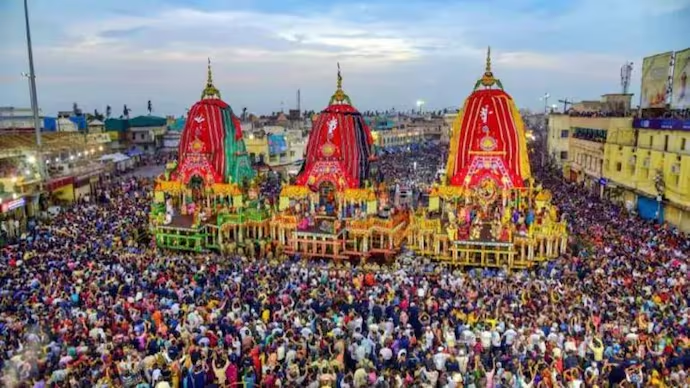
Overview: The Jagannath Temple in Puri, Odisha, is famous for its annual Rath Yatra (chariot festival) and is dedicated to Lord Jagannath, a form of Krishna. It is a significant pilgrimage site in the Hindu religion.
Time to Visit:
- Best Time: July (for Rath Yatra) and October to March.
- Hours: 5:00 AM – 12:00 PM and 4:00 PM – 9:00 PM.
How to Plan:
- Book Accommodation: Plenty of options are available in Puri.
- Travel: Accessible via Bhubaneswar Airport or by train.
Things to Carry:
- ID Proof: Essential for entry.
- Comfortable Footwear: You will need to walk a lot.
Points to Remember:
- Dress Code: Wear modest clothing.
- Rath Yatra: If visiting during Rath Yatra, prepare for large crowds.
4. Kashi Vishwanath Temple, Varanasi
Overview: The Kashi Vishwanath Temple in Varanasi, Uttar Pradesh, is one of the twelve Jyotirlingas dedicated to Lord Shiva. It is a prominent site in Hinduism, attracting millions of devotees each year.
Time to Visit:
- Best Time: October to March.
- Hours: 2:30 AM – 11:00 PM.
How to Plan:
- Accommodation: Numerous hotels are available in Varanasi.
- Local Transport: Auto-rickshaws and cycle-rickshaws are common.
Things to Carry:
- ID Proof: Required.
- Comfortable Footwear: Essential due to extensive walking.
Points to Remember:
- Security: Expect stringent security checks.
- Crowds: The temple is usually crowded, so plan your visit accordingly.
5. Meenakshi Amman Temple, Madurai
Overview: The Meenakshi Amman Temple in Madurai, Tamil Nadu, is known for its stunning Dravidian architecture and intricately carved sculptures. It is dedicated to Goddess Meenakshi, a form of Parvati.
Time to Visit:
- Best Time: October to March.
- Hours: 5:00 AM – 12:30 PM and 4:00 PM – 9:30 PM.
How to Plan:
- Accommodation: Various options are available in Madurai.
- Travel: Accessible via Madurai Airport or by train.
Things to Carry:
- Comfortable Clothing: Dress modestly.
- Camera: Allowed outside the temple premises.
Points to Remember:
- Temple Etiquette: Follow temple rules and respect local customs.
- Guides: Consider hiring a guide to explore the temple’s history.
6. Siddhivinayak Temple, Mumbai
Overview: The Siddhivinayak Temple in Mumbai, Maharashtra, is dedicated to Lord Ganesha and is one of the most visited temples in the city. It is renowned for its vibrant and spiritual atmosphere.
Time to Visit:
- Best Time: Ganesh Chaturthi (August/September) and other festivals.
- Hours: 5:30 AM – 10:00 PM.
How to Plan:
- Accommodation: Plenty of hotels are available in Mumbai.
- Local Transport: Taxis and local trains are easily accessible.
Things to Carry:
- ID Proof: Required for entry.
- Comfortable Footwear: You will have to walk considerable distances.
Points to Remember:
- Crowds: Expect long queues, especially during festivals.
- Security: High security is maintained.
7. Ramanathaswamy Temple, Rameswaram
Overview: The Ramanathaswamy Temple in Rameswaram, Tamil Nadu, is dedicated to Lord Shiva and is one of the twelve Jyotirlingas. It is known for its magnificent corridors and sacred wells.
Time to Visit:
- Best Time: October to April.
- Hours: 5:00 AM – 1:00 PM and 3:00 PM – 9:00 PM.
How to Plan:
- Accommodation: Several options are available in Rameswaram.
- Travel: Accessible via Madurai Airport or by train.
Things to Carry:
- ID Proof: Essential for entry.
- Comfortable Clothing: Wear modest attire.
Points to Remember:
- Temple Etiquette: Follow local customs and guidelines.
- Special Rituals: Participate in rituals if interested.
8. Vaishno Devi Temple, Katra
Overview: The Vaishno Devi Temple, located in Katra, Jammu and Kashmir, is one of the most revered Hindu temples. Dedicated to Goddess Vaishno Devi, it is situated in the Trikuta Mountains.
Time to Visit:
- Best Time: March to October.
- Hours: 5:00 AM – 12:00 AM.
How to Plan:
- Accommodation: Book hotels in Katra.
- Trek: Prepare for a trek of around 12 kilometers to reach the temple.
Things to Carry:
- Comfortable Shoes: Essential for the trek.
- Water Bottle: Stay hydrated.
Points to Remember:
- Weather: Be prepared for varying weather conditions.
- Health: Ensure you are physically fit for the trek.
9. Brihadeeswarar Temple, Thanjavur
Overview: The Brihadeeswarar Temple in Thanjavur, Tamil Nadu, is a UNESCO World Heritage site renowned for its grand architecture and historical significance. It is dedicated to Lord Shiva.
Time to Visit:
- Best Time: October to March.
- Hours: 6:00 AM – 12:00 PM and 4:00 PM – 8:00 PM.
How to Plan:
- Accommodation: Numerous hotels are available in Thanjavur.
- Travel: Accessible via Trichy Airport or by train.
Things to Carry:
- Comfortable Footwear: For exploring the temple.
- Camera: Allowed outside the temple.
Points to Remember:
- Architecture: Take time to appreciate the intricate carvings and artwork.
- Guides: Consider a guide for a detailed tour.
10. Dakshineswar Kali Temple, Kolkata
Overview: The Dakshineswar Kali Temple in Kolkata, West Bengal, is dedicated to Goddess Kali and is known for its beautiful location on the banks of the Hooghly River. It is an important pilgrimage site for devotees of Kali.
Time to Visit:
- Best Time: October to March.
- Hours: 6:00 AM – 12:00 PM and 4:00 PM – 8:00 PM.
How to Plan:
- Accommodation: Various options available in Kolkata.
- Local Transport: Easily accessible by taxi or metro.
Things to Carry:
- Head Covering: Required for entering the temple.
- Comfortable Footwear: Essential due to walking.
Points to Remember:
- Maintain Silence: Respect the sanctity of the temple environment.
- Local Customs: Follow the local customs and practices.
11. Kedarnath Temple, Uttarakhand
Overview: The Kedarnath Temple in Uttarakhand is one of the twelve Jyotirlingas dedicated to Lord Shiva. Located in the Kedarnath range of the Himalayas, it is a significant pilgrimage site.
Time to Visit:
- Best Time: May to October.
- Hours: 4:00 AM – 9:00 PM.
How to Plan:
- Accommodation: Basic lodging is available in Kedarnath.
- Travel: Reachable via a trek from Gaurikund.
Things to Carry:
- Warm Clothing: Temperatures can be cold even in summer.
- Trekking Gear: Essential for the trek.
Points to Remember:
- Weather: Be prepared for unpredictable weather conditions.
- Health: Ensure physical fitness for the trek.
12. Shirdi Sai Baba Temple, Shirdi
Overview: The Shirdi Sai Baba Temple in Shirdi, Maharashtra, is dedicated to Sai Baba, a revered saint and spiritual leader. The temple attracts devotees from across India.
Time to Visit:
- Best Time: Throughout the year, but especially during Sai Baba’s Punyatithi (death anniversary).
- Hours: 4:00 AM – 11:00 PM.
How to Plan:
- Accommodation: Numerous hotels and guesthouses in Shirdi.
- Local Transport: Taxis and buses are readily available.
Things to Carry:
- ID Proof: Required for entry.
- Comfortable Footwear: Essential due to large crowds.
Points to Remember:
- Crowds: Expect large crowds, particularly during festivals.
- Security: High security is maintained.
13. Somnath Temple, Gujarat
Overview: The Somnath Temple in Prabhas Patan, near Veraval in Gujarat, is one of the twelve Jyotirlingas dedicated to Lord Shiva. It is an ancient temple known for its historical and architectural significance.
Time to Visit:
- Best Time: October to March.
- Hours: 6:00 AM – 9:00 PM.
How to Plan:
- Accommodation: Various hotels are available in Veraval.
- Travel: Accessible via Rajkot or Veraval Airport.
Things to Carry:
- Comfortable Footwear: Essential for temple visits.
- Camera: Allowed outside the temple.
Points to Remember:
- Local Customs: Follow temple etiquette and local customs.
- Security: Expect security checks.
14. Kalka Devi Temple, Kalka
Overview: The Kalka Devi Temple in Kalka, Haryana, is dedicated to Goddess Kali. It is a popular pilgrimage site for devotees seeking blessings from the goddess.
Time to Visit:
- Best Time: Throughout the year, with a peak during Navratri.
- Hours: 6:00 AM – 10:00 PM.
How to Plan:
- Accommodation: Various options are available in Kalka.
- Travel: Accessible via Chandigarh or Kalka Railway Station.
Things to Carry:
- Comfortable Clothing: Modest attire is recommended.
- Water Bottle: Stay hydrated.
Points to Remember:
- Festivals: The temple is especially crowded during Navratri.
- Local Customs: Respect local traditions and practices.
15. Badrinath Temple, Uttarakhand
Overview: The Badrinath Temple in Uttarakhand is dedicated to Lord Vishnu and is one of the Char Dham pilgrimage sites. Located in the Himalayas, it is an important spiritual destination.
Time to Visit:
- Best Time: May to October.
- Hours: 4:00 AM – 9:00 PM.
How to Plan:
- Accommodation: Basic lodging options available in Badrinath.
- Travel: Accessible via a road journey from Rishikesh or Haridwar.
Things to Carry:
- Warm Clothing: Essential due to high altitude.
- Health Preparations: Be prepared for altitude sickness.
Points to Remember:
- Weather: The weather can be unpredictable; check forecasts before traveling.
- Health: Ensure you are fit for the high altitude.
This guide provides a detailed overview of some of the most revered temples in India, offering insights into how to plan your visit, what to carry, and what to keep in mind. Each temple provides a unique experience, reflecting the diverse spiritual and cultural landscape of India. Enjoy your spiritual journey and immerse yourself in the rich traditions and history of these sacred places.
Introduction to Indian Temples
India, a land rich in cultural heritage and spiritual traditions, boasts a myriad of temples that stand as testaments to its diverse history and religious tapestry. Each temple in India offers a unique glimpse into the architectural ingenuity, cultural narratives, and spiritual practices that have shaped Indian society over millennia. From the soaring spires of North India to the intricately carved sanctuaries of the South, temples serve not only as places of worship but also as repositories of art, music, and storytelling.
Historically, temples have been integral to the socio-cultural fabric of Indian life. They were often the epicenters of urban development, playing crucial roles in the flourishing of communities and serving multifaceted purposes beyond religious functions, including education and holistic well-being. Many temples were constructed by ancient dynasties as symbols of their dedication to divinity, featuring elaborate designs and intricate sculptures that narrate mythological stories and historical events.
Architecturally, Indian temples present a stunning array of styles, from the Dravidian temples in the south characterized by towering gopurams and intricate carvings, to the Nagara-style temples in the north distinguished by their beehive-shaped shikharas. Eastern and western regions of India contribute with their own distinctive temple styles, thus reflecting the regional diversity within the shared ethos of temple architecture.
Temples continue to play a pivotal role in the daily lives of millions of Indians. They are not only centers of spiritual solace and divine intervention but also hubs of festivals, fairs, and cultural programs that foster community bonding. In selecting the top 15 temples to visit in India, we have considered various factors such as historical significance, architectural splendor, and cultural impact. These temples stand out not just as religious monuments, but as living museums offering a profound experience of India’s spiritual and cultural essence.
Somnath Temple, Gujarat
Situated on the western coast of Gujarat, Somnath Temple is a remarkable embodiment of India’s ancient culture and deep-rooted spiritual traditions. Known as one of the twelve Jyotirlinga shrines of Shiva, it stands as a testament to resilience, having been rebuilt multiple times over the centuries after numerous attacks by invaders. This historical significance makes the Somnath Temple a pivotal site for those seeking to understand the confluence of history and faith in India.
The temple’s architecture is an exquisite example of the Chalukya style, featuring intricate carvings, grand gateways, and towering spires. The serene Arabian Sea backdrop enhances the temple’s majestic ambiance, offering visitors both a spiritual and visual feast. The Shree Somnath Temple Trust ensures that the heritage is preserved while providing modern amenities for devotees and tourists alike.
The ideal time to visit Somnath Temple is from October to February when the weather is pleasantly cool. Nearby accommodation options range from budget guesthouses to luxurious hotels, ensuring a comfortable stay irrespective of traveler preferences. The temple premises also offer basic facilities to assist pilgrims on their visit.
Visitors can engage in multiple activities such as exploring the Triveni Sangam – the confluence of three rivers, participating in evening aartis, or enjoying the vibrant light and sound show that narrates the tale of Lord Somnath. Moreover, the town’s proximity to other notable sites like Gir National Park offers an extended itinerary for the curious traveler.
The temple remains open from 6:00 AM to 9:00 PM every day, with no entry fee. Special events and festivals like Maha Shivratri draw large crowds, making it an opportune time for cultural immersion. Forethought and planning are advised during these peak times to navigate the influx of devotees smoothly.
Kedarnath Temple, Uttarakhand
Kedarnath Temple, situated in the majestic state of Uttarakhand, holds profound spiritual significance for Hindu devotees. This sacred sanctuary, dedicated to Lord Shiva, is one of the twelve Jyotirlingas in India. The temple’s origin stretches back to antiquity, believed to have been established by the legendary Pandavas from the epic Mahabharata as an act of penance. Set against the stunning backdrop of the snow-clad Garhwal Himalayas, the serene ambiance adds to the temple’s spiritual allure.
The best times to visit Kedarnath Temple are during the months of May to October, as the temple remains closed for the rest of the year due to harsh weather conditions. During these months, the climate is relatively bearable, facilitating a safer and more pleasant pilgrimage experience. It is important to note that necessary permits and bookings for accommodations should be secured in advance, especially since the entire region sees a massive influx of visitors during the peak seasons.
Reaching this remote location involves a combination of road and foot travel. Visitors usually commence their journey by reaching Rishikesh or Dehradun from major Indian cities and then travel to Gaurikund via a well-connected road network. From Gaurikund, pilgrims undertake a 16-kilometer trek to Kedarnath. Helicopter services are also available for those who seek an easier option.
Given the challenging nature of the journey, it is essential to pack appropriately. Key items include sturdy trekking shoes, weather-appropriate clothing, a raincoat, essential medications, and snacks. Staying hydrated and carrying a portable oxygen supply can be significantly beneficial, especially for individuals not accustomed to high-altitude conditions.
For adventure enthusiasts, the region presents numerous trekking routes and religious sites nearby, such as the Vasuki Tal trek and the trek to Bhairavnath Temple. These additions make a visit to Kedarnath not only a spiritually enriching pilgrimage but also an exhilarating adventure through Uttarakhand’s pristine natural beauty.
Venkateswara Temple, Andhra Pradesh
Venkateswara Temple, located in the town of Tirumala in Andhra Pradesh, stands as a quintessential example of Dravidian architecture and is one of the most revered pilgrimage sites in India. Dedicated to Lord Venkateswara, an incarnation of Lord Vishnu, the temple is enveloped in rich legends and spiritual significance. According to Hindu mythology, it is believed that Lord Venkateswara manifested here to save mankind from the trials and troubles of the Kali Yuga.
The Venkateswara Temple’s distinctive architectural features make it a marvel to behold. The temple’s intricate carvings and the towering gopuram (entrance tower) are exemplary of the Dravidian style. The sanctum sanctorum houses the idol of Lord Venkateswara, which is adorned with precious ornaments and flowers. One of the key highlights is the Vaikunta Dwara, an entrance that is opened only during the festival of Vaikunta Ekadasi.
Visitors should plan their visit carefully, given the temple’s immense popularity. The temple is open from 3:00 AM to 12:00 midnight, with various sevas (services) and darshan (viewing) slots available throughout the day. It is advisable to pre-book special darshan tickets online to avoid long queues. Accommodation options range from budget guesthouses to luxury hotels in Tirumala and nearby Tirupati. The Tirumala Tirupati Devasthanams (TTD) provides a range of lodging facilities and advance booking is recommended.
To manage the heavy influx of devotees, the TTD employs a systematic crowd management strategy, and visitors are urged to follow the guidelines. Notable rituals include Suprabhatam, Thomala Seva, and Archana Seva. Among these, the Suprabhatam, the early morning ritual to wake the deity, is particularly recommended for first-time visitors.
A session of ‘Darshan’ or viewing the deity can be a deeply moving experience. For a more intimate spiritual interaction, devotees can opt for special sevas like Kalyanotsavam, Visesha Pooja, or Arjitha Brahmotsavam. Planning and adhering to the guidelines can ensure a smooth and fulfilling visit to the Venkateswara Temple, making it a memorable part of any pilgrimage in India.
Best Time to Visit Indian Temples
Visiting temples in India can be a profoundly enriching experience, but timing your visit right is crucial for maximizing your enjoyment and comfort. Generally, the best time to visit temples in India is during the winter months, from November to February. During this period, the weather is relatively cool and pleasant, making it easier to explore the intricate architecture and participate in various rituals without discomfort. Additionally, this season aligns with numerous significant cultural and religious festivals, enhancing the spiritual and cultural experience.
However, keep in mind that festivals often draw large crowds, which can be both a blessing and a curse. On one hand, visiting during a festival offers a vibrant, immersive experience, complete with elaborate decorations, ceremonial performances, and special rituals. On the other hand, it might also mean dealing with crowded spaces and longer queues. Major festivals like Diwali, Holi, and Navratri could lead to large congregations in iconic temples such as Varanasi’s Kashi Vishwanath Temple or Kolkata’s Dakshineswar Kali Temple.
For those interested in a more secluded, tranquil experience, the monsoon season, from June to September, can be an alternative option. Despite the occasional downpours, this period sees fewer tourists. The lush, rain-soaked landscapes provide a serene backdrop to the temples, though one must be prepared for the associated travel inconveniences. On the flip side, the weather conditions during this period are typically humid and wet, and some remote temples might be less accessible.
The off-peak summer season from March to May might offer lower accommodation costs and thinner crowds, but it comes with the challenge of higher temperatures, particularly in northern and central India. Nevertheless, temples located in the hill regions, such as those in Himachal Pradesh and Uttarakhand, remain comfortable and are worth considering during this time.
Therefore, when planning a temple visit in India, carefully consider what you seek from the experience. Whether it is the vibrant festivity of peak seasons or the solitude of off-peak times, aligning your visit with the right season can significantly enhance your journey.
Planning Your Temple Tour: Itineraries and Routes
Embarking on a temple tour in India requires meticulous planning to ensure a seamless and enriching experience. With its diverse cultural heritage and myriad historical temples, India offers a unique spiritual journey that caters to various interests. Here’s a step-by-step guide to planning your temple tour, covering transportation options, suggested routes, and ideal durations for different types of travelers.
Transportation Options: India’s vast transportation network includes trains, buses, and flights that connect major cities and remote destinations. Trains offer a scenic and culturally immersive experience, while domestic flights save time for those on tight schedules. For local travel, hiring a car with a driver provides flexibility and comfort, especially when visiting rural temple sites.
Suggested Routes and Itineraries: For spiritual seekers, a visit to temples like Varanasi’s Kashi Vishwanath, Rishikesh’s Triveni Ghat, and Kedarnath in Uttarakhand may be ideal. This itinerary can span 7-10 days, allowing enough time for rituals and meditation. History buffs can explore the ancient temples of Tamil Nadu, such as the Brihadeeswarar Temple in Thanjavur, Meenakshi Temple in Madurai, and the intricate rock-cut temples of Mahabalipuram. An optimal duration for this route would be around 10-12 days. Architecture enthusiasts may prefer a tour of Karnataka’s Hampi and Belur, the exquisite Sun Temple in Konark, Odisha, and the temples of Khajuraho in Madhya Pradesh, over a 10-day period.
Combining with Other Attractions: To enrich your travel experience, consider combining temple visits with other nearby tourist attractions. For instance, while in Varanasi, venture to Sarnath, where Buddha delivered his first sermon. In Tamil Nadu, the scenic hill station of Ooty and the historical city of Pondicherry are worthwhile additions. When visiting Odisha’s Sun Temple, the nearby Chilika Lake offers a tranquil retreat for nature lovers.
By tailoring your itinerary according to your interests and ensuring travel arrangements are well-organized, a temple tour in India can be a profoundly rewarding experience, providing deep insights into the country’s rich cultural tapestry.
Essential Things to Carry
When planning a visit to India’s diverse and historic temples, it’s crucial to prepare well to ensure a comfortable and respectful experience. A detailed checklist of items can make your journey smooth, allowing you to focus on the spiritual and cultural aspects of the trip.
Appropriate Clothing: Many Indian temples have strict dress codes. Men and women are advised to wear modest clothing that covers shoulders and knees. Carrying a shawl or scarf can be useful, especially for women, as some temples require heads to be covered before entering sacred areas.
Footwear: Temples often require visitors to remove their shoes before entering. Opt for easy-to-remove sandals or flip-flops. Some temples provide shoe racks, but having a lightweight carry bag for your footwear can be a practical consideration.
Religious Offerings: Typical offerings include flowers, coconut, fruits, incense sticks, and camphor. These items can often be bought near temple entrances, but bringing your own can save time and ensure you have the highest quality items for the rituals.
Useful Gadgets: A good quality camera is essential for capturing the intricate carvings and stunning architecture typical of Indian temples. Power banks are handy to keep your electronic devices charged, especially if you are in areas with limited access to electricity.
Travel Documents: Keep your identity proof such as passports and any necessary travel permits readily accessible. Some high-security temples require identity verification before granting entry.
Health Essentials: Carry basic medications for headaches, stomach ailments, and other minor health issues. High-altitude temples may require altitude sickness medication, warm clothing, and proper hydration. Having a small first-aid kit is advisable for any untoward incidents.
Visiting remote or high-altitude temples demands additional preparations. Trekking gear, sturdy footwear, and weather-appropriate clothing become imperative. For these journeys, lightweight snacks and bottled water will help maintain energy levels. Be mindful of local customs and guidelines, respecting the sanctity of these revered places.
By ensuring you have these essentials, your temple visits across India will not only be enriching but also hassle-free, allowing you to fully immerse yourself in the spiritual ambiance and architectural splendor.
Key Points to Remember
When exploring the spiritual and architectural marvels that are temples in India, adhering to specific dos and don’ts is crucial to ensuring a respectful and enriching experience. Cultural etiquette holds significant importance, and it begins even before you step inside a temple. Modest clothing is a basic requirement; both men and women are expected to cover their shoulders and legs. This respect for local customs extends to temple rules such as removing your footwear before entering and maintaining silence within the sanctum areas.
Photography guidelines vary from temple to temple. While some sanctuaries permit photographs in the outer areas, others rule it strictly prohibited. Always seek consent if you are unsure and respect any restrictions on capturing images, particularly within the inner sanctums where deities are worshipped. Employing sensitivity to these guidelines can help avert any inadvertent disrespect towards religious sentiments.
Health and safety tips are equally vital. Indian temples often involve a significant amount of walking, climbing stairs, or traversing through narrow pathways. Comfortable footwear that can be easily removed is advisable. Hydration is essential, but remember that carrying water or food inside might be forbidden. Hand sanitizers can be useful due to the high number of visitors, but washing hands in designated areas is always preferred.
In terms of behavioral etiquette, always follow the lead of worshippers regarding rituals and practices. Avoid touching or pointing feet towards deities, and keep a respectful distance from ongoing rituals. Engage with a low voice and express patience if it involves queueing for darshan (sighting of a deity). Monetary offerings and donations are customary, yet one should consider discretion and avoid ostentation.
By paying heed to these practical pieces of advice, travelers can seamlessly integrate into the spiritual atmosphere, thereby fostering a meaningful interaction with the rich cultural heritage that Indian temples represent.