Top 10 Mountain Peaks in the World: Embarking on a journey to conquer the world’s top mountain peaks is a thrilling adventure that demands courage, preparation, and respect for nature. In this guide, we explore the top 10 mountain peaks globally, delving into their heights, nearby attractions, necessary precautions, and essential tips for planning a successful ascent.
1. Mount Everest (8,848 meters / 29,029 feet) 
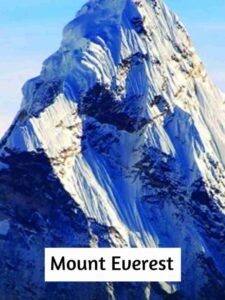
Elaboration: Reigning as the highest point on Earth, Mount Everest is a pinnacle of mountaineering achievement. Nestled on the Nepal-Tibet border, the Everest Base Camp trek is an iconic journey. Nearby attractions include the vibrant Sherpa villages and the Tengboche Monastery.
Precautions: Acute Mountain Sickness (AMS) is a real threat. Gradual acclimatization and recognizing symptoms are crucial. Proper gear and a seasoned guide are indispensable.
Things to Remember: Stay hydrated, maintain a steady pace, and be prepared for extreme weather changes.
Planning in Advance: Secure permits in advance, engage experienced guides, and plan for a minimum of two months for acclimatization.
2. K2 (8,611 meters / 28,251 feet)
Elaboration: Known as the “Savage Mountain,” K2 on the Pakistan-China border offers a challenging ascent. Nearby, the Karakoram Highway and Shigar Fort are must-visit attractions.
Precautions: Extreme weather conditions and technical climbing make K2 perilous. Expertise in ice and rock climbing is essential.
Things to Remember: Carry ample supplies, stay connected, and be prepared for rapid weather changes.
Planning in Advance: Permits, experienced guides, and contingency plans for emergencies are crucial.
3. Kangchenjunga (8,586 meters / 28,169 feet)
Elaboration: Situated between Nepal and India, Kangchenjunga’s trek offers lush landscapes and unique biodiversity. Explore nearby Pelling in India and Taplejung in Nepal.
Precautions: The unpredictable weather demands cautious planning. Local guides familiar with the terrain are recommended.
Things to Remember: Respect local customs, pack essentials for changing weather, and prioritize acclimatization.
Planning in Advance: Secure permits, engage with local communities for support, and plan for a longer itinerary.
4. Lhotse (8,516 meters / 27,940 feet)
Elaboration: Linked to Everest, Lhotse’s South Col route is a challenging climb. The Everest Base Camp trek offers stunning views and acclimatization opportunities.
Precautions: Technical climbing skills are necessary. Be prepared for the notorious Lhotse Face.
Things to Remember: Collaborate with experienced climbers, focus on physical fitness, and have contingency plans.
Planning in Advance: Coordinate with Everest expedition organizers, ensure proper gear, and plan for adequate acclimatization.
5. Makalu (8,485 meters / 27,838 feet)
Elaboration: Southeast of Everest, Makalu’s pyramid-shaped peak beckons experienced mountaineers. Nearby, the Makalu Barun National Park offers diverse flora and fauna.
Precautions: Makalu demands technical climbing skills and resilience in harsh conditions.
Things to Remember: Stay connected, prioritize acclimatization, and respect local environmental regulations.
Planning in Advance: Coordinate with experienced guides, obtain necessary permits, and plan for a comprehensive acclimatization schedule.
6. Cho Oyu (8,188 meters / 26,864 feet)
Elaboration: Known as the “Turquoise Goddess,” Cho Oyu on the Nepal-China border offers a relatively straightforward ascent. The trek to Cho Oyu Base Camp provides stunning views.
Precautions: While less technical than some peaks, Cho Oyu still requires altitude acclimatization.
Things to Remember: Prioritize physical fitness, adhere to local regulations, and be prepared for high altitudes.
Planning in Advance: Engage with experienced guides, obtain necessary permits, and focus on gradual acclimatization.
7. Dhaulagiri (8,167 meters / 26,795 feet)
Elaboration: Situated in Nepal’s Annapurna region, Dhaulagiri offers a remote and challenging climb. Explore the nearby Annapurna Circuit trek for diverse landscapes.
Precautions: Extreme weather conditions and technical climbing sections demand a high level of expertise.
Things to Remember: Prioritize acclimatization, carry ample supplies, and be prepared for challenging terrains.
Planning in Advance: Collaborate with experienced climbing teams, secure necessary permits, and plan for a comprehensive acclimatization schedule.
8. Manaslu (8,163 meters / 26,781 feet)
Elaboration: Lying in the Nepalese Himalayas, Manaslu offers stunning views and a less crowded alternative. Nearby, the Tsum Valley trek showcases local culture.
Precautions: Manaslu demands proper acclimatization and awareness of changing weather patterns.
Things to Remember: Engage with local communities, respect local customs, and carry essential gear.
Planning in Advance: Secure permits, engage with experienced guides, and plan for a flexible itinerary.
9. Nanga Parbat (8,126 meters / 26,660 feet)
Elaboration: Known as the “Killer Mountain,” Nanga Parbat in the western Himalayas demands technical climbing skills. Explore the nearby Fairy Meadows for breathtaking views.
Precautions: Extreme caution is required due to unpredictable weather and challenging terrain.
Things to Remember: Collaborate with experienced climbers, prioritize safety, and be prepared for rapid weather changes.
Planning in Advance: Coordinate with experienced climbing teams, obtain necessary permits, and plan for a thorough acclimatization schedule.
10. Annapurna (8,091 meters / 26,545 feet)
Elaboration: Closing our list is Annapurna, one of the deadliest peaks to climb. Located in Nepal, it demands a cautious approach. Nearby, the Annapurna Circuit trek is a popular choice.
Precautions: Annapurna demands respect for its challenging weather conditions and high fatality rate.
Things to Remember: Prioritize acclimatization, stay informed about weather forecasts, and carry necessary supplies.
Planning in Advance: Engage with experienced guides, obtain necessary permits, and plan for a detailed acclimatization schedule
Embarking on the Everest Odyssey: A Comprehensive Guide to Conquering Mount Everest”
Introduction: Mount Everest, towering at 8,848 meters, holds the esteemed title of the world’s highest peak. This pinnacle of mountaineering, nestled on the Nepal-Tibet border, is a beacon for adventurers worldwide. In this comprehensive guide, we delve into the intricate details of planning a visit to Mount Everest, ensuring a safe, unforgettable, and successful expedition.
Mount Everest Overview:
Mount Everest, also known as Sagarmatha in Nepal and Chomolungma in Tibet, beckons climbers with its towering heights and awe-inspiring beauty. The Everest Base Camp trek, an iconic journey, provides a glimpse into the mesmerizing world surrounding the mighty peak.
Nearby Attractions:
- Sherpa Villages: Explore the vibrant Sherpa villages, like Namche Bazaar and Khumjung, to immerse yourself in the local culture. Sherpas, renowned for their mountain-climbing expertise, welcome travelers with warm hospitality.
- Tengboche Monastery: The Tengboche Monastery, located at an elevation of 3,867 meters, offers spiritual solace and breathtaking views of Everest. Visitors can witness religious ceremonies and gain insights into the Sherpa Buddhist culture.
Precautions:
- Acute Mountain Sickness (AMS): AMS is a real threat at high altitudes. Gradual acclimatization is crucial to mitigate its effects. Recognize symptoms like headaches, nausea, and dizziness, and descend if necessary.
- Proper Gear: Equip yourself with high-quality gear suitable for extreme conditions. This includes insulated clothing, sturdy boots, and reliable climbing equipment.
- Experienced Guide: A seasoned guide familiar with Everest’s terrain is indispensable. Their expertise ensures a safe ascent and descent, navigating challenging sections with precision.
Things to Remember:
- Stay Hydrated: Hydration is key at high altitudes. Carry sufficient water and drink regularly to prevent dehydration, a common concern during strenuous climbs.
- Maintain a Steady Pace: Pace yourself to conserve energy. Climbing at a steady, manageable speed reduces fatigue and enhances your chances of reaching the summit.
- Extreme Weather Preparedness: Everest’s weather is unpredictable. Be prepared for rapid changes, ranging from scorching sun to freezing temperatures. Adequate clothing layers are essential.
Planning in Advance:
- Permits: Secure necessary permits well in advance. The Sagarmatha National Park Permit and TIMS (Trekkers’ Information Management System) card are essential for Everest Base Camp trekkers.
- Experienced Guides: Engage with reputable trekking agencies and experienced guides. Their knowledge of the terrain, weather patterns, and emergency procedures is invaluable.
- Acclimatization Schedule: Plan for a minimum of two months for acclimatization. Gradual ascent and rest days are crucial to adapt to high altitudes, reducing the risk of AMS.
Additional Tips for Travelers:
- Cultural Sensitivity: Respect local customs and traditions. The Sherpa culture is rich and diverse, offering a unique glimpse into mountain life.
- Leave No Trace: Adhere to Leave No Trace principles. Pack out all waste and preserve the pristine environment for future generations.
General Knowledge Facts:
- First Ascent: Sir Edmund Hillary of New Zealand and Tenzing Norgay, a Sherpa of Nepal, made the first successful ascent of Mount Everest on May 29, 1953.
- Peak’s Height Variability: Everest’s height can vary due to factors like tectonic shifts and earthquakes. Regular re-measurements are conducted to ensure accurate data.
- Khumbu Icefall: The Khumbu Icefall, a treacherous section of the ascent, moves at an average speed of 0.9 meters per day, posing a constant challenge for climbers.
Conclusion: Embarking on the Everest odyssey requires meticulous planning, physical preparation, and a profound respect for the mountain’s challenges. As you ascend to the roof of the world, absorb the cultural richness of the Sherpa communities, tread lightly on the pristine trails, and relish the breathtaking views that only Mount Everest can offer. May your journey be not just a climb but a transformative experience that leaves an indelible mark on your soul
Conquering the Savage Heights: A Comprehensive Guide to Scaling K2″
Introduction: Known as the “Savage Mountain,” K2 stands as a formidable challenge for adventurers seeking the pinnacle of mountaineering achievement. Located on the Pakistan-China border, K2 offers a challenging ascent, surrounded by the breathtaking landscapes of the Karakoram Range. In this detailed guide, we will delve into the intricacies of conquering K2, exploring nearby attractions, precautions, planning tips, and essential information for the daring traveler.
K2 Overview:
Height: 8,611 meters (28,251 feet)
Location: Pakistan-China Border
Nickname: Savage Mountain
Nearby Attractions:
1. Karakoram Highway: Elaboration: Before or after your ascent, the Karakoram Highway beckons. This marvel of engineering cuts through the Karakoram Range, offering panoramic views of glaciers, valleys, and picturesque landscapes. Take a road trip to marvel at this high-altitude highway’s grandeur.
2. Shigar Fort: Elaboration: Immerse yourself in the rich history of the region by visiting Shigar Fort. This ancient architectural gem narrates tales of Balti culture and the royal heritage. Explore the fort’s intricate details and enjoy breathtaking views of the surrounding mountains.
Precautions:
1. Extreme Weather Conditions: Elaboration: K2’s unpredictable weather demands the utmost caution. Temperatures can plummet, and storms can roll in rapidly. Ensure your gear is suitable for sub-zero conditions, and stay informed about the weather forecast.
2. Technical Climbing Expertise: Elaboration: K2’s ascent involves technical challenges, including ice and rock climbing. Prioritize comprehensive training and experience in these skills. Consider undertaking preparatory climbs on other challenging peaks to hone your abilities.
Things to Remember:
1. Ample Supplies: Elaboration: Pack enough supplies for the entire journey. High-energy food, proper hydration systems, and cold-weather gear are essential. Plan meticulously, as access to additional provisions during the climb may be limited.
2. Stay Connected: Elaboration: Communication is vital in the remote regions surrounding K2. Carry satellite phones, radios, and other communication devices to stay in touch with your team and coordinate with base camp. Establish regular check-ins for safety.
3. Prepare for Rapid Weather Changes: Elaboration: Weather conditions can shift swiftly on K2. Be ready for sudden temperature drops, snowfall, and storms. Dress in layers and carry gear suitable for a range of weather scenarios.
Planning in Advance:
1. Permits: Elaboration: Acquiring permits is a crucial step. Liaise with local authorities and secure all necessary permits well in advance. Compliance with regulations is essential for a successful ascent.
2. Experienced Guides: Elaboration: Engage with reputable expedition organizers and experienced guides familiar with K2’s challenges. Their expertise and knowledge of the terrain are invaluable for a safe and successful climb.
3. Contingency Plans for Emergencies: Elaboration: Prepare for unforeseen circumstances. Establish comprehensive contingency plans for emergencies, including medical evacuations, sudden weather changes, and equipment failures.
Additional Useful Information for Travelers:
1. Altitude Acclimatization: Elaboration: Prioritize acclimatization during your journey. Spend sufficient time at various altitudes to allow your body to adjust, reducing the risk of altitude-related illnesses.
2. Leave No Trace: Elaboration: Respect the fragile environment around K2. Follow the principles of Leave No Trace, minimizing your impact on the ecosystem. Dispose of waste responsibly and avoid disturbing wildlife.
GK Facts:
1. Second-Highest Peak: Elaboration: K2 is the second-highest peak globally, trailing only Mount Everest. Its formidable reputation and challenging climb attract experienced mountaineers seeking an ultimate adventure.
2. Named after Survey: Elaboration: The name “K2” originated from the peak’s designation during the Great Trigonometric Survey. While other peaks received local names, K2 retained its survey designation, adding an air of mystery to the mountain.
Conclusion: Scaling K2 is not just a physical challenge but a journey into the heart of one of the world’s most treacherous terrains. With thorough preparation, respect for nature, and adherence to safety measures, conquering the Savage Mountain can be an experience of a lifetime. May this guide serve as a comprehensive resource for those venturing into the majestic heights of K2, leaving them with indelible memories of triumph and awe-inspiring vistas
Conquering Kangchenjunga: A Comprehensive Guide to the Third-Highest Mountain in the World”
Introduction: Nestled between the borders of Nepal and India, Kangchenjunga stands as the third-highest mountain globally, offering a challenging yet rewarding trek for adventurers seeking to explore its majestic heights. In this detailed guide, we delve into the lush landscapes, unique biodiversity, nearby attractions, and essential tips for planning a successful ascent to Kangchenjunga.
Elaboration:
Kangchenjunga’s trek takes you through some of the most breathtaking landscapes on the planet. As you ascend through dense forests, alpine meadows, and rugged terrains, you’ll witness the diverse biodiversity that thrives in this pristine region. The trek showcases a unique blend of flora and fauna, making it a paradise for nature enthusiasts. The trek also provides opportunities to engage with local communities, gaining insights into their rich cultural heritage.
Places Nearby:
- Pelling (India): Pelling, located in the Indian state of Sikkim, serves as an excellent starting point for Kangchenjunga treks. Offering panoramic views of the mountain range, Pelling is a charming town surrounded by lush greenery and historical sites like the Pemayangtse Monastery.
- Taplejung (Nepal): On the Nepalese side, Taplejung serves as a gateway to Kangchenjunga. This town is known for its cultural diversity and the warm hospitality of the locals. The nearby Olangchung Gola and Yamphuding are traditional villages that offer a glimpse into the unique lifestyle of the region.
Precautions:
The unpredictable weather conditions around Kangchenjunga demand meticulous planning. It is crucial to engage local guides who are intimately familiar with the terrain and can navigate the challenges presented by the mountain. Given the remote nature of the trek, having a guide with local knowledge can be a lifesaver.
Things to Remember:
- Respect Local Customs: Kangchenjunga is not only a natural wonder but also holds deep cultural significance for the communities living in its vicinity. Respect local customs and traditions, and seek permission before entering sacred sites.
- Pack Essentials for Changing Weather: The weather around Kangchenjunga can change rapidly. Pack layers to accommodate varying temperatures, waterproof gear, sturdy trekking boots, and essentials like a first aid kit.
- Prioritize Acclimatization: The altitude can be challenging, and acclimatization is crucial. Plan your itinerary to allow for gradual ascent, providing your body with the necessary time to adjust to the thinning air.
Planning in Advance:
- Secure Permits: Obtain the necessary permits for trekking in the Kangchenjunga Conservation Area. Check with local authorities to ensure you have all required documents before embarking on your journey.
- Engage with Local Communities: Building connections with local communities can enhance your trekking experience. Engage with local guides, porters, and villagers. Their insights can provide a deeper understanding of the region.
- Plan for a Longer Itinerary: Kangchenjunga’s trek is not a quick excursion. Plan for a longer itinerary to accommodate the challenging terrain and unpredictable weather conditions. A more extended trek allows for a safer and more enjoyable experience.
Additional Tips for Travelers:
- Physical Fitness: Prioritize physical fitness before embarking on the Kangchenjunga trek. Cardiovascular endurance and strength training will contribute to a smoother ascent.
- Altitude Sickness Medication: Consult with a healthcare professional and carry altitude sickness medication. Recognizing symptoms and taking appropriate action is crucial for a safe trek.
- Environmental Responsibility: Respect the delicate ecosystems you encounter. Follow the principle of “Leave No Trace” to minimize your impact on the environment.
GK Facts:
- Kangchenjunga is the third-highest mountain in the world, standing at an impressive 8,586 meters (28,169 feet) above sea level.
- The name “Kangchenjunga” means “Five Treasures of Snow,” representing the mountain’s five peaks.
Conclusion: Embarking on the Kangchenjunga trek is not just a physical journey; it’s an exploration of nature’s wonders, cultural richness, and personal endurance. By following the comprehensive guide provided here, you’ll be well-prepared to conquer the challenges, respect the environment, and immerse yourself in the awe-inspiring beauty of Kangchenjunga. May your adventure be filled with unforgettable moments and a profound appreciation for the natural wonders that grace our planet