Hyperhidrosis is excessive sweating beyond what the body needs to cool itself. It may affect your palms, underarms, feet or face and often begins in childhood or early adulthood.
Before deciding on sweaty palms surgery if you have this condition, your doctors may first try non-surgical treatments like strong antiperspirants, topical medicines, Botox injections, iontophoresis and oral drugs. Surgery may be considered if sweating is severe, persistent and stops you doing normal tasks despite these treatments.
Read more: https://www.icts.com.sg/hyperhidrosis-surgery-singapore/. Surgery may be helpful if sweating harms your job, social life or mental health.
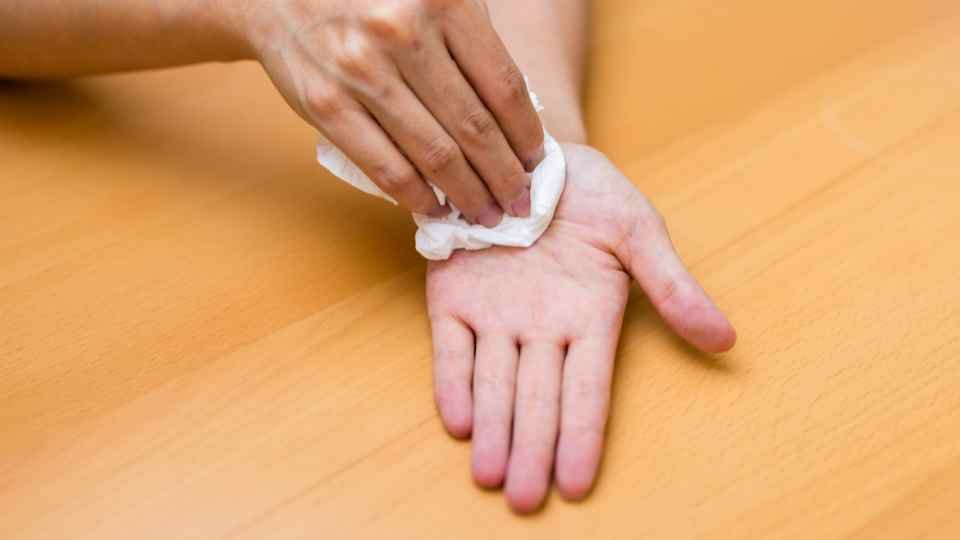
Is Hyperhidrosis Surgery Worth it?
If you have a severe, treatment-resistant hyperhidrosis, surgery can be worth it because it often stops sweating in the treated areas and improves quality of life. The most effective procedures like endoscopic thoracic sympathectomy (ETS) for the hands and face usually give durable results.
However, surgery can cause compensatory sweating elsewhere and carries other risks. So, the decision depends on how much the condition affects your daily life and how willing you are to accept possible side effects. Here are the most common surgical treatments that may help:
Endoscopic thoracic sympathectomy (ETS)
ETS is the standard surgical cure for severe palmar and facial hyperhidrosis. Surgeons use a small camera and instruments through tiny chest incisions to clip or cut the sympathetic nerves that trigger sweating. Many patients report near-total dryness of the treated area within days and long-term relief. Because it interrupts nerve signals, the effect on the chosen area is usually permanent.
Lumbar sympathectomy
This operation targets the lower sympathetic chain and can reduce plantar (foot) sweating. Surgeons reach the lumbar nerves via small abdominal or back incisions using endoscopic techniques. Success rates vary, and it is chosen when foot symptoms dominate and other treatments fail. Like ETS, it aims to permanently alter nerve signals to the feet.
Axillary gland excision or curettage (local surgery)
For heavy underarm sweating, surgeons can remove sweat glands directly or perform liposuction-assisted curettage to reduce gland tissue. This is a local procedure done under local or general anaesthesia and focuses only on the armpits. Many patients see durable reductions in underarm sweat without affecting other body areas. Recovery is usually quicker than full sympathectomy and carries different, more local risks such as scarring or numbness.
Minor excision of eccrine glands
In selected cases, surgeons remove small skin patches that contain abundant sweat glands, often during cosmetic procedures. This approach may be suitable if you have focal, stubborn patches of sweating. It provides a long-lasting, local solution without altering central nerve pathways. Expect a small surgical scar and a recovery period that depends on the procedure’s scope.
What are the Risks of Hyperhidrosis Surgery?
Most nerve-targeting surgeries deliver positive long-term results for the treated areas. ETS often stops palmar or facial sweating permanently because the sympathetic pathway remains interrupted.
Local procedures on the underarm tend to give durable control, though the degree of reduction can vary between patients. Lumbar sympathectomy can offer long-lasting relief for plantar symptoms, but outcomes show more variation than ETS.
The problem is that none of these procedures is entirely risk free thus the commonly asked question: what are the risks of hyperhidrosis surgery? Here are a few concerns you will want to acknowledge:
Compensatory sweating: Compensatory sweating is new or increased sweating in untreated areas like the back, thighs or abdomen. It is the most common side effect after sympathectomy and ranges from mild to severe. For some people it causes more distress than the original problem and can limit satisfaction with surgery. While mild cases may be manageable with lifestyle changes, severe compensatory sweating can be hard to treat.
Horner’s syndrome (rare, ETS): Horner’s syndrome results from nerve damage near the top of the sympathetic chain and causes a drooping eyelid, a small pupil and sometimes reduced sweating on one side of the face. It is an uncommon complication but can be permanent when it occurs. Surgeons take care to avoid the uppermost ganglia, but risk cannot be eliminated entirely. If it happens, ophthalmology input may be needed to help manage symptoms.
Nerve injury and neuropathic pain: Surgery can injure nearby nerves and lead to numbness, tingling or chronic neuropathic pain at or near the operation site. This pain may improve with time or need medications or nerve pain treatments. Most cases are mild, but persistent discomfort can affect daily life for a minority. A good surgeon will counsel you about this possibility before operating.
Local surgical risks like infection, bleeding and scarring: Any operation carries standard risks like wound infection, bleeding and visible scars, especially with axillary excision procedures. Top clinics that offer the procedures usually follow sterile techniques and give clear aftercare advice to reduce these risks. Early signs of infection like redness, fever or increasing pain need prompt assessment. Most local complications respond well to simple treatment.
Recurrence and need for further surgery: Some patients require revision procedures if sweating returns or the first operation did not achieve the expected effect. Repeat surgery may be more complex and carry higher risk. The chance of reoperation depends on the initial technique and your body’s healing pattern. So, you will want to discuss the surgeon’s revision rate and approach before you consent.
As a general rule, it may help to try non-surgical options first unless your sweating is severe or you cannot tolerate other treatments. Topical aluminium chloride antiperspirants help many people and are a low-cost first step.
Botox injections block sweat nerves locally and often reduce axillary or palmar sweating for several months. Iontophoresis treats hands and feet using mild electrical currents, and devices like miraDry use microwave energy to reduce underarm glands with durable effect.
Oral anticholinergic drugs can lower sweating but can cause dry mouth and other side effects. Surgery is best when these options fail or the condition severely limits daily life.
In Closing
Sweaty palms surgery definitely comes with its fair share of side effects. To decide if it is right for you, begin by weighing how much sweating disrupts daily life, whether less invasive treatments helped, and how you feel about the risk of compensatory sweating.
Also ask whether you can accept possible permanent changes and whether the likely benefits match your goals like improved work performance or social confidence. A shared decision with your surgeon can ensure the choice reflects your priorities and realistic outcomes.
If you’re thinking about hyperhidrosis surgery in Singapore, we welcome you to book a specialist consultation at our clinic to review your symptoms, past treatments and realistic outcomes. Our clinic offers frank counselling, detailed risk information and tailored care plans so you can decide with confidence. Get in touch with us below to schedule your assessment: