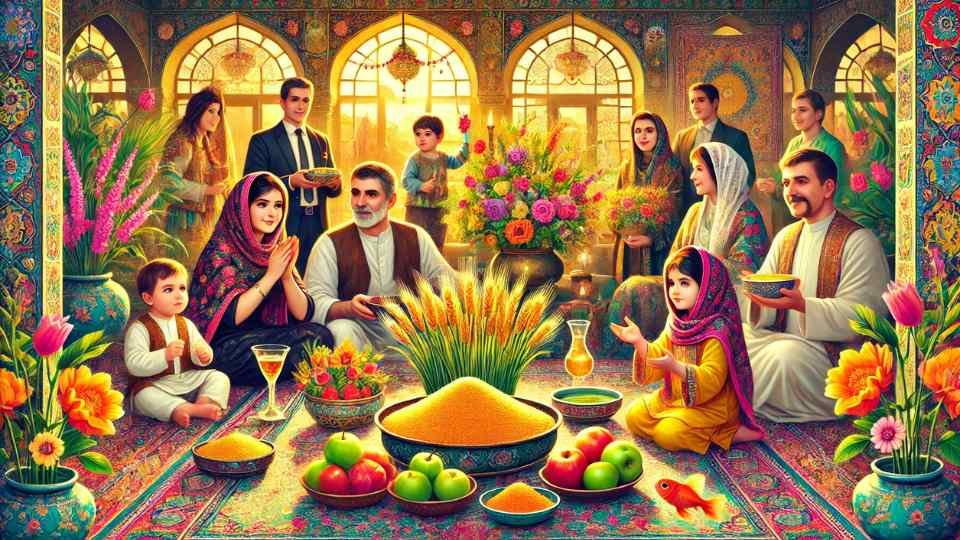
The Persian New Year, known as Nowruz, is a festival rich in history, culture, and traditions. It marks the beginning of the new year in the Persian calendar and is widely celebrated in Iran and other countries influenced by Persian culture. This festival is not just about welcoming a new year; it is a time of renewal, joy, and togetherness. In this comprehensive guide, you will learn everything about Nowruz – Persian New Year, including its history, traditions, and modern celebrations.
Nowruz Persian New Year Traditions and Celebration Guide
📅 What is Nowruz?
Nowruz, which means “New Day” in Persian, is celebrated on the spring equinox, usually falling on March 20 or 21. This day marks the beginning of spring and the first day of Farvardin, the first month in the Iranian calendar. The festival has been observed for over 3,000 years, and its traditions have evolved over time.
🌸 History and Significance of Nowruz
Nowruz has its origins in Zoroastrianism, one of the world’s oldest religions. The festival symbolizes the victory of light over darkness and good over evil. Ancient Persian kings celebrated Nowruz as a sacred festival, recognizing the power of renewal and prosperity.
Even today, Nowruz remains an important part of Persian culture, carrying the values of family, love, hope, and harmony.
🍾 Traditional Customs and Rituals of Nowruz
The Persian New Year is celebrated with various customs and traditions that bring families together. Here are the key rituals:
1. هفت سین (Haft-Seen Table)
A Haft-Seen table is a special arrangement of seven symbolic items that begin with the Persian letter “S” (Seen). These items represent different aspects of life and prosperity:
- Sabzeh (Sprouted wheat or lentils) – Symbolizes rebirth and renewal
- Samanu (Sweet pudding) – Represents wealth and fertility
- Senjed (Dried oleaster fruit) – Signifies love and wisdom
- Seer (Garlic) – Stands for health and medicine
- Seeb (Apple) – Symbolizes beauty and health
- Somāq (Sumac spice) – Represents patience and the color of sunrise
- Serkeh (Vinegar) – Stands for age and wisdom
2. House Cleaning (Khaneh Tekani)
Before Nowruz, families clean their homes thoroughly in a tradition known as Khaneh Tekani, which means “shaking the house.” This symbolizes getting rid of negative energy and making space for new beginnings.
3. Chaharshanbe Suri (Fire Jumping Festival)
On the last Wednesday before Nowruz, people celebrate Chaharshanbe Suri by jumping over bonfires while reciting a traditional Persian phrase:
“Zardi-ye man az to, sorkhi-ye to az man!”
This means, “Take away my sickness and give me your warmth and energy.” The fire symbolizes purification and renewal.
4. New Year’s Eve and Sal Tahvil (Moment of Equinox)
Families gather together to welcome the exact moment when the sun crosses the equator, marking the start of the Persian New Year. This moment is called Sal Tahvil.
5. Visiting Relatives and Elders (Did-o-Bazdid)
During Nowruz, visiting family, friends, and elders is a key tradition. This strengthens family bonds and promotes happiness and unity.
6. Giving and Receiving Eydi (New Year Gifts)
Children receive Eydi, which are gifts in the form of money or sweets, symbolizing good fortune and prosperity.
7. Sizdah Bedar (Nature Day)
On the 13th day of Nowruz, people go outdoors for Sizdah Bedar, also known as Nature’s Day. They enjoy picnics, music, and games to connect with nature and bring good luck for the coming year.
🎉 How is Nowruz Celebrated Around the World?
Nowruz is not only celebrated in Iran but also in several other countries, including:
- Afghanistan – Observed as the beginning of the new year.
- Tajikistan, Uzbekistan, Turkmenistan, and Kazakhstan – Marked with traditional songs, dances, and feasts.
- Azerbaijan – People enjoy national music and prepare traditional dishes.
- Kurdish Regions – Celebrated with large outdoor gatherings and fire rituals.
🍲 Special Foods for Nowruz
Food plays a significant role in Persian New Year celebrations. Some of the most famous dishes include:
- Sabzi Polo Mahi (Herbed rice with fish) – Symbolizes renewal and prosperity.
- Reshteh Polo (Rice with noodles) – Represents success and good fortune.
- Kuku Sabzi (Herb omelet) – A dish for health and happiness.
- Ajil (Mixed nuts and dried fruits) – Served as a snack to bring joy and energy.
📱 Nowruz and Modern Celebrations
While the core traditions of Nowruz remain unchanged, modern celebrations have evolved. Many people use social media to send Nowruz greetings, participate in community events, and share traditional recipes online. Nowruz is also recognized as an international festival by the United Nations.
🌟 Why Nowruz Matters in Today’s World
Nowruz is more than just a New Year celebration; it is a festival that promotes peace, harmony, and unity. It brings people together regardless of their religion or nationality. The traditions of hope, renewal, and family values make it an essential cultural event that continues to inspire generations.
🎉 Conclusion: Embracing the Spirit of Nowruz
Nowruz, the Persian New Year, is a festival that brings joy, togetherness, and renewal. Whether you are celebrating it for the first time or have been following its traditions for years, Nowruz is a wonderful opportunity to embrace positivity, connect with loved ones, and start fresh.
🌟 Wishing you a Happy and Prosperous Nowruz!