Pahalgam, Jammu & Kashmir — The idyllic meadow of Pahalgam, long known as the “Mini Switzerland” of Kashmir, was transformed into a scene of unspeakable horror on Tuesday afternoon when armed militants launched a brazen attack on tourists, killing 26 people and wounding dozens more. The incident, described by the Indian government as a “cowardly act of terror,” has sent shockwaves across the country and drawn global condemnation.
Massacre in Paradise: 26 Tourists Slain in Pahalgam Terror Attack; India Vows Retaliation
The Attack: Chaos in Broad Daylight
Around 2:30 PM local time, gunmen armed with automatic weapons ambushed multiple tourist vehicles and pony rides near Baisaran, a popular tourist spot 5 km above Pahalgam town. Eyewitnesses say the attackers opened fire indiscriminately, targeting families, newlyweds, and guides alike.
Among the victims was Indian Navy officer Vinay Narwal, who was honeymooning with his wife. Another was US-based TCS employee Bitan Adhikary, killed in front of his daughter and elderly parents. A pony ride operator, who tried to shield tourists from the gunfire, was also gunned down — hailed today as a “civilian hero” by political leaders.
“They stopped our vehicle, demanded we say Islamic verses. My father couldn’t… They shot him while I watched,” said a weeping survivor from Karnataka.
Terrorists’ Motives and Message
According to intelligence sources, the attackers are believed to be members of The Resistance Front (TRF) — a Lashkar-e-Taiba proxy group active in the Kashmir valley. The operation is thought to have been masterminded by Saifullah Khalid, a top TRF commander. Indian agencies have released sketches of three suspects — Moosa, Yunus, and Asif — who are currently being hunted by security forces.
Survivors say the attackers made chilling remarks, allegedly shouting “Go tell Modi” and demanding that their victims “recite Islamic prayers” before being executed. These statements have been widely interpreted as a direct challenge to the Indian government and its policies in Kashmir.
National Mourning and Political Repercussions
The Supreme Court of India, Prime Minister Narendra Modi, and leaders across the political spectrum condemned the massacre. PM Modi cut short his diplomatic visit to Saudi Arabia and chaired a high-level security meeting early Wednesday morning. The Union Cabinet is expected to announce a multi-pronged response plan, with Defence Minister Rajnath Singh stating that the attackers “will get a befitting reply.”
Massive protests erupted in Srinagar and other towns across Kashmir, with locals mourning the death of both tourists and Kashmiri guides. “We were told tourism would bring peace. Instead, they brought a bullet to our chest,” said Bashir Lone, a hotelier from Pahalgam.
A Community Shattered
As night fell on Pahalgam, candlelight vigils were held near the main market, where schoolchildren and locals gathered in silence, clutching photos of the deceased. At a local funeral, former J&K Chief Minister Omar Abdullah said, “Terror has no religion. These were our guests, and they were slaughtered.”
The tourism sector, already fragile due to recurring unrest, faces a grim future. Several families have canceled bookings. Yet, amidst fear, some survivors have expressed resolve. “We won’t let terror define Kashmir. We trust Kashmiris,” said a tourist from Delhi who chose to stay back.
Global Reaction and Diplomatic Fallout
The attack drew international condemnation. The United Nations issued a statement calling it “an attack on humanity.” Meanwhile, Indian officials are reportedly mulling stronger diplomatic action against Pakistan, which they accuse of sheltering terror outfits despite repeated denials from Islamabad.
Security Tightened, Hunt Underway
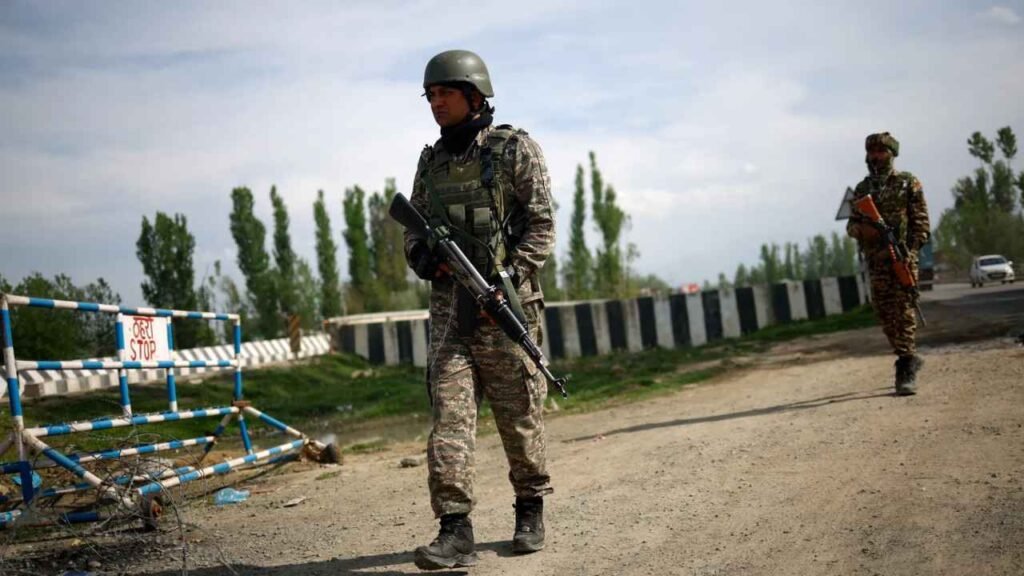
The Indian Army, CRPF, and J&K Police have launched a massive manhunt in the Lidder Valley, with drone surveillance and helicopter patrols. The Union Home Ministry has dispatched additional forces, and intelligence agencies have been ordered to track cross-border communications.
Victims Remembered
The full list of 26 victims has been released, including tourists from Odisha, Kerala, Gujarat, Maharashtra, and Uttar Pradesh, along with three Kashmiris. Their stories — of love, adventure, and tragic ends — now form a painful chapter in Kashmir’s long, blood-soaked history.
Conclusion
Pahalgam, the serene symbol of Kashmir’s tourism resurgence, has become a symbol of senseless violence. As India mourns, a critical question remains: How can a place of such peace be so easily turned into a theater of terror?