Apple’s iPhone 17 Pro leaks have taken the tech world by storm. Multiple reports suggest that Apple is planning to reposition the antennas around the camera module, marking a significant shift from its traditional placement along the phone’s frame.
While it might sound like a small design tweak, antenna positioning plays a huge role in connectivity, performance, and even the way your phone looks and feels. In this detailed guide, we’ll break down what this change could mean for everyday users, how it might impact performance, and why Apple might be making this move now.
iPhone 17 Pro May Feature a New Antenna Design — What It Means for You
1. What Is This “New Antenna Design” All About?
For years, iPhones have placed antenna bands along the edges of the device’s frame. You’ve probably noticed thin lines on the sides of your phone — those are antenna cutouts.
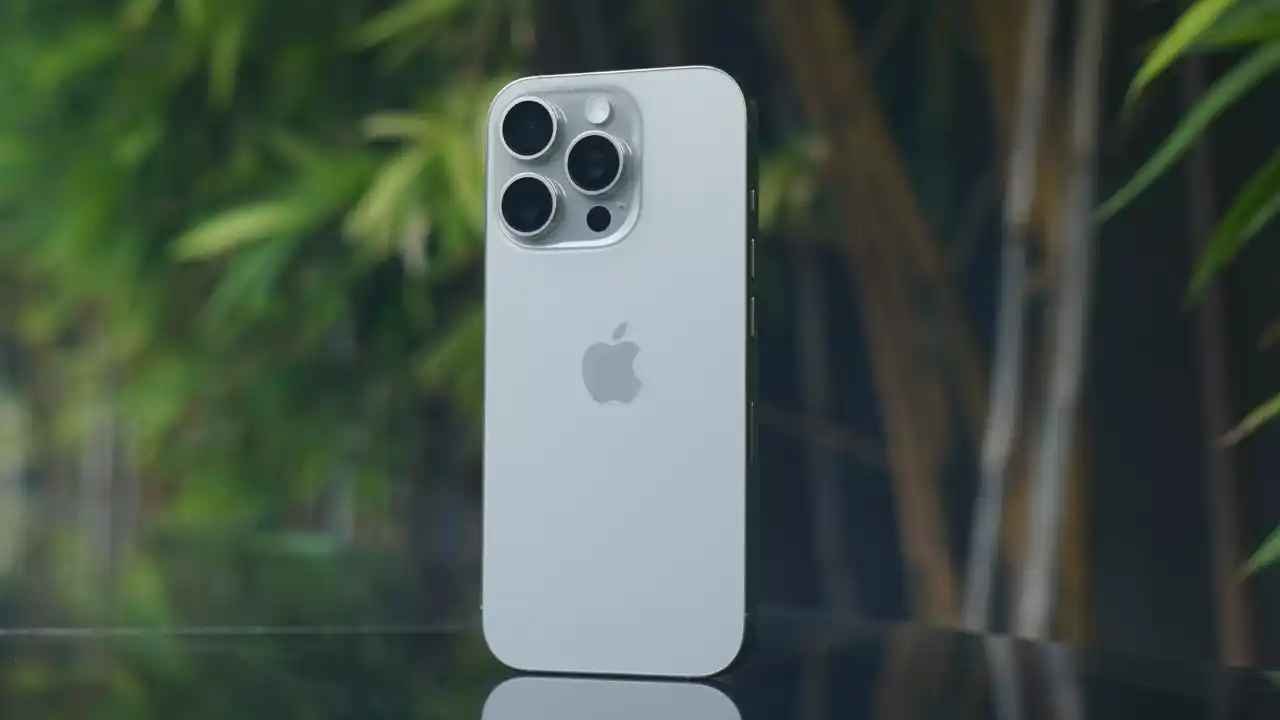
Now, according to reports from GSMArena, Gadgets360, and PhoneArena, the iPhone 17 Pro might move these antennas to wrap around the camera module. This design is inspired by the Apple Watch Ultra, which integrates antennas into less interference-prone parts of the device.
In other words, instead of having the antennas on the sides — where your hand might block them — Apple could place them around the cameras on the back. This area is less likely to be covered during use, potentially improving signal strength.
2. Why Is Antenna Positioning So Important?
Antenna placement can directly impact:
Signal strength – Poor placement can lead to “signal attenuation” when your hand blocks the antenna.
Internet speed – A stronger signal means better 5G/Wi-Fi performance.
Call quality – Reduced interference leads to clearer voice calls.
Battery life – A stronger connection requires less power to maintain, which can save battery.
Apple has dealt with antenna placement issues before. Remember the iPhone 4 “Antennagate” incident? Users experienced dropped calls if they held the phone a certain way. Apple learned from that and has since been experimenting with ways to improve connectivity.
3. The Sources and the Leaks
The main source for this rumor is Majin Bu, a well-known Apple leaker with a mixed track record. Supporting leaks have come from MacRumors, PhoneArena, and Gadgets360.
What the reports say:
Gadgets360 claims this change could enhance 5G mmWave and Wi-Fi 7 performance, reducing lag and improving speeds.
AppleInsider suggests this positioning could reduce interference from metal chassis materials.
LiveMint points out that freeing up space inside the phone could help Apple improve battery life or thermal performance.
However, other leakers like ShrimpApplePro have expressed doubts, saying that such changes usually appear in early dummy models, and they haven’t seen it yet.
4. Potential Benefits of This Change
If Apple does move the antennas to the camera module area, here’s what users might experience:
1. Better Reception
Your hand often covers the side antennas during calls, gaming, or scrolling. Moving them to the camera area minimizes blockage.
2. Faster Speeds
With better 5G and Wi-Fi reception, downloads, uploads, and streaming should become more reliable.
3. Cleaner Aesthetics
No more visible antenna lines on the frame, giving the iPhone 17 Pro a sleeker, more premium look.
4. Internal Space Optimization
Apple could use the freed-up space to fit a larger battery or improve cooling systems — both big wins for performance.
5. Consistent Performance Across Cases
Since the camera bump area is rarely covered (unless you use a very thick case), the antenna will remain unobstructed most of the time.
5. The Apple Watch Ultra Connection
The Apple Watch Ultra uses a similar approach — placing antennas in areas less affected by physical obstruction. The design is meant to deliver strong GPS, cellular, and Wi-Fi signals, even in extreme environments.
Apple’s adoption of this method in the iPhone could indicate a broader design philosophy: prioritizing connectivity and reliability over tradition.
6. Possible Downsides or Challenges
No design change is perfect. Here are a few concerns experts have raised:
Interference from the camera system – High-end camera components could potentially impact signal transmission.
Heat management – The camera area already produces heat during use; adding antennas might complicate thermal design.
Manufacturing complexity – Integrating antennas into the camera housing could raise production costs and complexity.
Apple will need to address these if the design is to move forward.
7. What This Could Mean for Photography and Video
Interestingly, some leaks suggest that moving the antennas could also tie into camera upgrades. The iPhone 17 Pro is rumored to feature:
A redesigned camera bump
Improved telephoto optical zoom
Better low-light performance
With antennas around the camera, Apple might redesign the entire rear structure, making it sturdier and more functional.
8. How This Fits Into Apple’s Broader Strategy
Apple rarely changes hardware for no reason. Historically, when Apple makes a design adjustment:
Functionality improves (e.g., larger batteries in the iPhone 13 series)
Durability increases (e.g., Ceramic Shield glass)
Long-term features become possible (e.g., larger sensors for computational photography)
By moving antennas to the camera area, Apple could be preparing for future wireless technologies, like:
Wi-Fi 8
6G networks
Satellite-based emergency connectivity (already in iPhone 14/15, but could expand)
9. User Reactions So Far
While the iPhone 17 Pro is still a year away, early reactions online are mixed:
Excited Users:
“Finally! Apple focusing on signal strength is a big win.”
Skeptical Users:
“A new antenna? Sounds nice, but will it actually make a difference?”
Design Enthusiasts:
“If this means cleaner sides with no ugly lines, I’m in.”
10. Should You Wait for the iPhone 17 Pro?
If you:
Live in an area with poor signal
Use your iPhone for heavy streaming or gaming
Care about having the latest connectivity tech
…then yes, it might be worth waiting.
However, if you just upgraded to the iPhone 15 or 16 series, the antenna change alone may not justify the cost — unless it comes with other big improvements.
11. Quick Summary Table
| Feature | Potential Benefit |
|---|---|
| Antennas around camera module | Less blockage from hands, better signal |
| Cleaner sides | Premium look, fewer antenna lines |
| Freed-up internal space | Bigger battery or better cooling |
| Inspired by Apple Watch Ultra | Proven design for better connectivity |
| Better compatibility with cases | Consistent performance |
Conclusion
The rumored antenna redesign for the iPhone 17 Pro might seem like a minor detail, but in reality, it could be one of the most important upgrades Apple has made in years for everyday usability.
Better reception, faster speeds, and a cleaner design all add up to a device that’s not just beautiful but also more reliable. While we’ll have to wait for official confirmation, the move makes sense both from a design and a performance standpoint.
If Apple pulls this off, the iPhone 17 Pro could be a connectivity powerhouse — ready for the next generation of wireless technology.