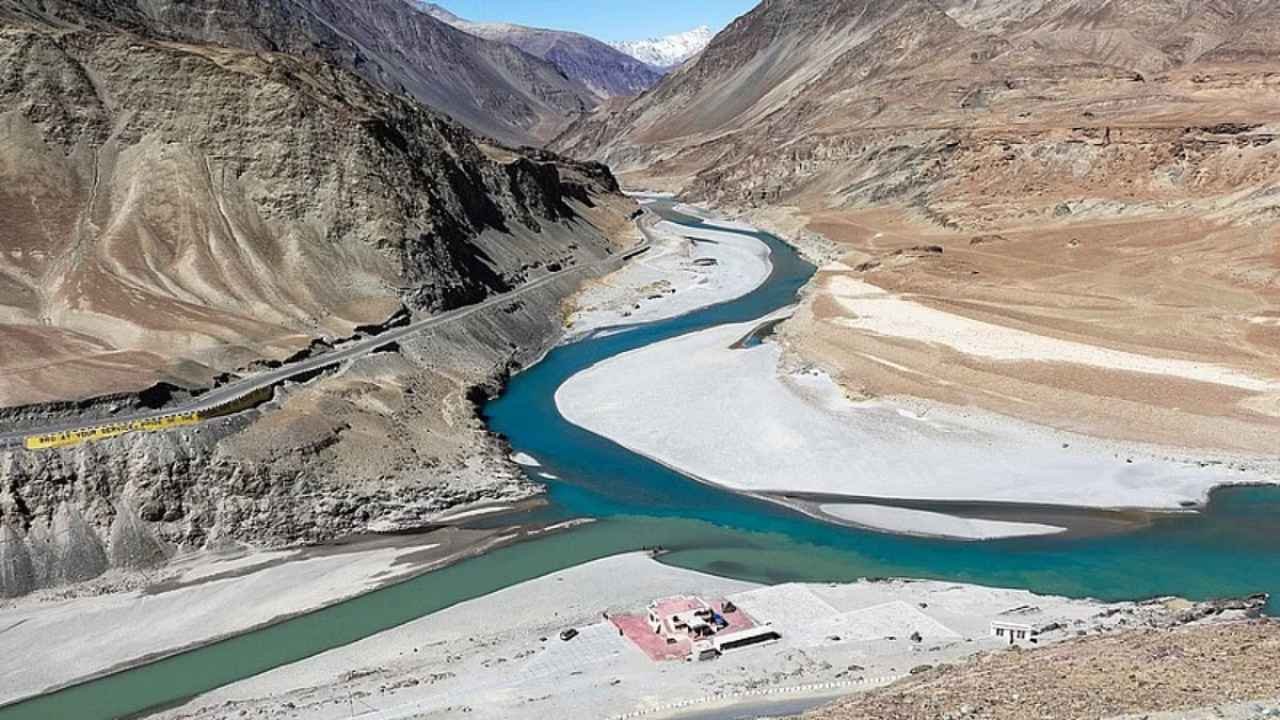
In a world increasingly shaped by climate change, resource scarcity, and geopolitical instability, water has emerged as both a basic necessity and a strategic asset. Nowhere is this more evident than in the long-standing yet increasingly fragile Indus Waters Treaty (IWT) between India and Pakistan. Signed in 1960, the treaty has often been hailed as one of the most successful examples of water diplomacy. But in today’s politically charged environment, especially after repeated hostilities and terrorist attacks, the question resurfaces:
Water as a Weapon: Is the Indus Waters Treaty Still a Model for Peace or a Tool for Power?
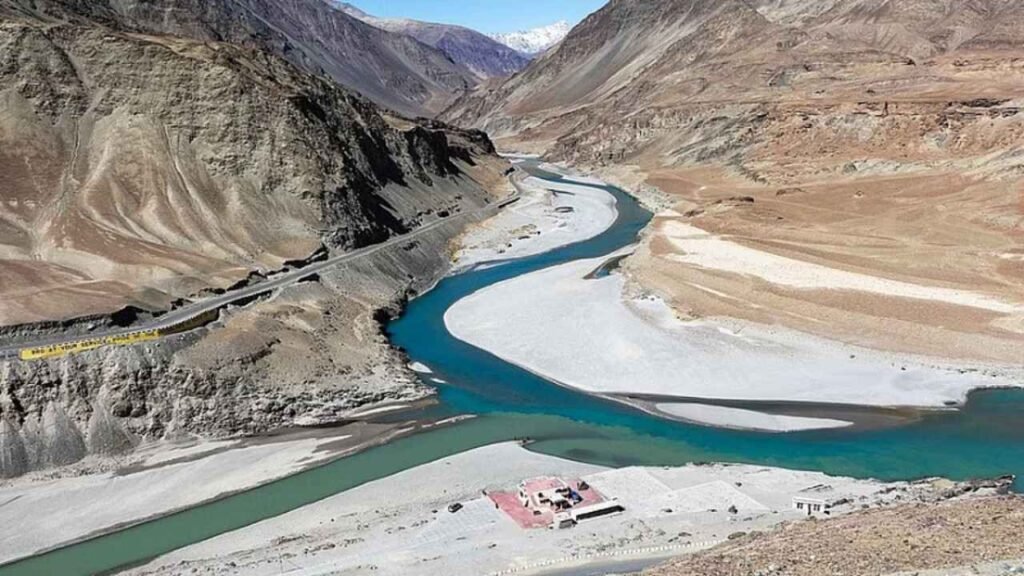
Is the Indus Waters Treaty a model for peace, or is it being weaponized as a tool for political leverage?
What is the Indus Waters Treaty?
The Indus Waters Treaty was brokered by the World Bank and signed on September 19, 1960, between India and Pakistan. It aimed to resolve water-sharing disputes arising from the partition of British India in 1947.
Key Provisions:
The six rivers of the Indus Basin—Indus, Jhelum, Chenab, Ravi, Beas, and Sutlej—were divided:
India received full rights over the eastern rivers: Ravi, Beas, and Sutlej.
Pakistan was allocated the western rivers: Indus, Jhelum, and Chenab, though India retained limited rights to use these for non-consumptive purposes (like hydroelectricity, navigation, and irrigation).
Permanent Indus Commission (PIC): A bilateral body established to implement and manage the treaty.
Dispute Resolution Mechanism: Involves three stages—bilateral discussions, a neutral expert, and ultimately, arbitration.
Why the Treaty Has Worked (So Far)
For over six decades—despite four wars, numerous skirmishes, and a deep mistrust between the two countries—the IWT has largely held. It is often cited as one of the rare instances of Indo-Pak cooperation that has survived geopolitical upheavals.
Reasons for Its Success:
Clear division of rivers, minimizing overlap.
Third-party (World Bank) involvement, adding credibility.
Routine communication through the Permanent Indus Commission.
Avoidance of zero-sum logic, allowing some mutual benefit.
Changing Tides: The Treaty Under Strain
In recent years, particularly post the Uri (2016) and Pulwama (2019) terrorist attacks in India, there has been an increased call for revisiting or even revoking the treaty. Statements like “Blood and water cannot flow together” reflect how deeply intertwined national security and water politics have become.
India’s Growing Concerns:
Repeated cross-border terrorism.
Strategic leverage over Pakistan using water as a “soft weapon.”
Building dams and hydroelectric projects (e.g., Kishanganga, Ratle), which Pakistan contests.
Pakistan’s Complaints:
Reduced water flows during critical crop periods.
Delayed information sharing about new Indian projects.
Fear of water being used as coercion, especially after threats of treaty suspension.
Climate Change: The Silent Catalyst
The Himalayan glaciers, which feed the Indus river system, are melting rapidly due to global warming. Both India and Pakistan face:
Increasing droughts and seasonal unpredictability.
Glacial lake outburst floods (GLOFs).
Reduced per capita water availability, making every drop more politically sensitive.
As climate stress intensifies, the stakes of water sharing—and disputes—only grow higher.
Water as a Weapon: A Dangerous Precedent?
While the IWT was never designed as a political bargaining chip, there’s growing speculation that India might use its upper-riparian advantage to pressure Pakistan, especially during times of tension. Though legally India cannot stop water flow under the treaty, it can:
Accelerate run-of-the-river hydro projects on western rivers.
Delay information sharing, impacting agricultural planning in Pakistan.
Modify damming schedules that could affect flow timing.
This raises an ethical and legal question:
Should humanitarian resources like water ever be used in geopolitical retaliation?
International Implications
Other Global Flashpoints:
Ethiopia-Sudan-Egypt conflict over the Grand Ethiopian Renaissance Dam (GERD).
Turkey-Syria-Iraq disputes over the Tigris-Euphrates.
Mekong River tensions between China and Southeast Asian nations.
These parallels show how water-sharing treaties must adapt to political shifts, technology changes, and environmental stress.
The Way Forward: Reform, Not Revoke
Scrapping the treaty would be catastrophic. Instead, what both nations need is a 21st-century update:
Incorporate climate change modeling into treaty provisions.
Enhance satellite monitoring and transparent data sharing.
Allow third-party digital mediation in disputes.
Create a climate-resilience clause for drought/flood cooperation.
Encourage academic and youth collaboration through water diplomacy platforms.
Conclusion
The Indus Waters Treaty is more than a water-sharing agreement—it’s a litmus test for peaceful coexistence in South Asia. In a world where hydro-diplomacy may replace conventional warfare, it’s critical to ask:
Will water remain a bridge between India and Pakistan, or become the next battleground?
The answer lies not just in canals and dams, but in political maturity, climate responsibility, and visionary diplomacy.
🌊 What do you think? Should water be off-limits as a geopolitical tool? Let’s discuss in the comments below.
#WaterDiplomacy #IndusWatersTreaty #IndiaPakistan #ClimateChange #Geopolitics