In today’s globalized world, we often encounter terms from different languages and cultures. One such term is “Animesuge,” a name that might intrigue those interested in anime and Japanese culture. Correct pronunciation can significantly impact our understanding and appreciation of foreign words. This blog post will guide you through the pronunciation of “Animesuge,” explore how “anime” is pronounced, and offer insights into the meaning of “Animesuge,” along with some helpful rules and tips.
How to Pronounce “Animesuge” Correctly
Breaking Down the Pronunciation:
- Anime:
- Pronounced: /ˈænɪmeɪ/ (AN-ih-may)
- Breakdown:
- “Ani”: Sounds like “AH-nee,” where “AH” is like in “father” and “nee” is like the “nee” in “knee.”
- “Me”: Pronounced like “may,” rhyming with “day.”
- Suge:
- Pronounced: /suːɡeɪ/ (SOO-gay)
- Breakdown:
- “Su”: Sounds like “SOO,” where “OO” is like in “boot.”
- “Ge”: Pronounced like “gay,” rhyming with “day.”
Putting It Together:
- Animesuge: /ˈænɪmeɪsuːɡeɪ/ (AN-ih-may-SOO-gay)
When pronouncing “Animesuge,” stress the first part “Anime” with a slight pause before saying “Suge.” Ensure the vowels are clear and the syllables are distinct.
How is “Anime” Actually Pronounced?
“Anime” is a Japanese word that has become widely recognized in various languages. In Japanese, it is pronounced as:
- Phonetic Pronunciation: /ˈænɪmeɪ/
- Japanese Pronunciation: アニメ (ah-nee-meh)
Key Points:
- “A”: Like “ah” in “father.”
- “ni”: Like “nee” in “knee.”
- “me”: Like “may” in “day.”
In English, it retains the same pronunciation but often with slight variations depending on the speaker’s accent.
Meaning of “Animesuge”
Dissecting the Term:
- Anime: Refers to the style of animation originating from Japan, characterized by colorful artwork and vibrant characters.
- Suge: Derived from the Japanese word “すげえ” (sugee), meaning “amazing” or “awesome.”
Combined Meaning:
- “Animesuge” can be interpreted as “Anime is amazing” or “Amazing anime.” It is a compliment used by anime fans to express their admiration for a particular anime or the anime genre as a whole.
Rules for Pronouncing Japanese Words
- Vowel Sounds: Japanese vowels are short and clear. Each vowel has a consistent sound:
- A: “ah”
- E: “eh”
- I: “ee”
- O: “oh”
- U: “oo”
- Consonants: Japanese consonants are pronounced similarly to their English counterparts but without strong emphasis. For example, “r” in Japanese is softer than the English “r.”
- Syllable Structure: Japanese words are typically divided into syllables, each of which has an equal emphasis. Practice pronouncing each syllable clearly.
Tips for Correct Pronunciation
- Listen and Imitate: Listen to native speakers or use pronunciation guides online to get a feel for the correct pronunciation.
- Practice Slowly: Break down the word into syllables and practice each part slowly before combining them.
- Use Phonetic Guides: Utilize phonetic transcriptions to understand how to pronounce each part of the word accurately.
- Record and Compare: Record yourself saying the word and compare it with native pronunciations to identify and correct any mistakes.
- Seek Feedback: If possible, ask a native speaker for feedback on your pronunciation.
Conclusion
Pronouncing “Animesuge” correctly involves understanding both the pronunciation of “anime” and the Japanese-inspired component “suge.” By following the guidelines provided, you can enhance your pronunciation skills and deepen your appreciation for Japanese terms and culture. Remember to practice regularly and use resources available to you for accurate pronunciation.
Signature:
About the Author:
Guruji Sunil Chaudhary is a passionate writer and cultural enthusiast with a keen interest in language and pronunciation. With extensive research and a love for anime, Suniltams aims to provide accurate and engaging content for readers looking to expand their knowledge of Japanese culture and language.
Understanding Anime: The Basics
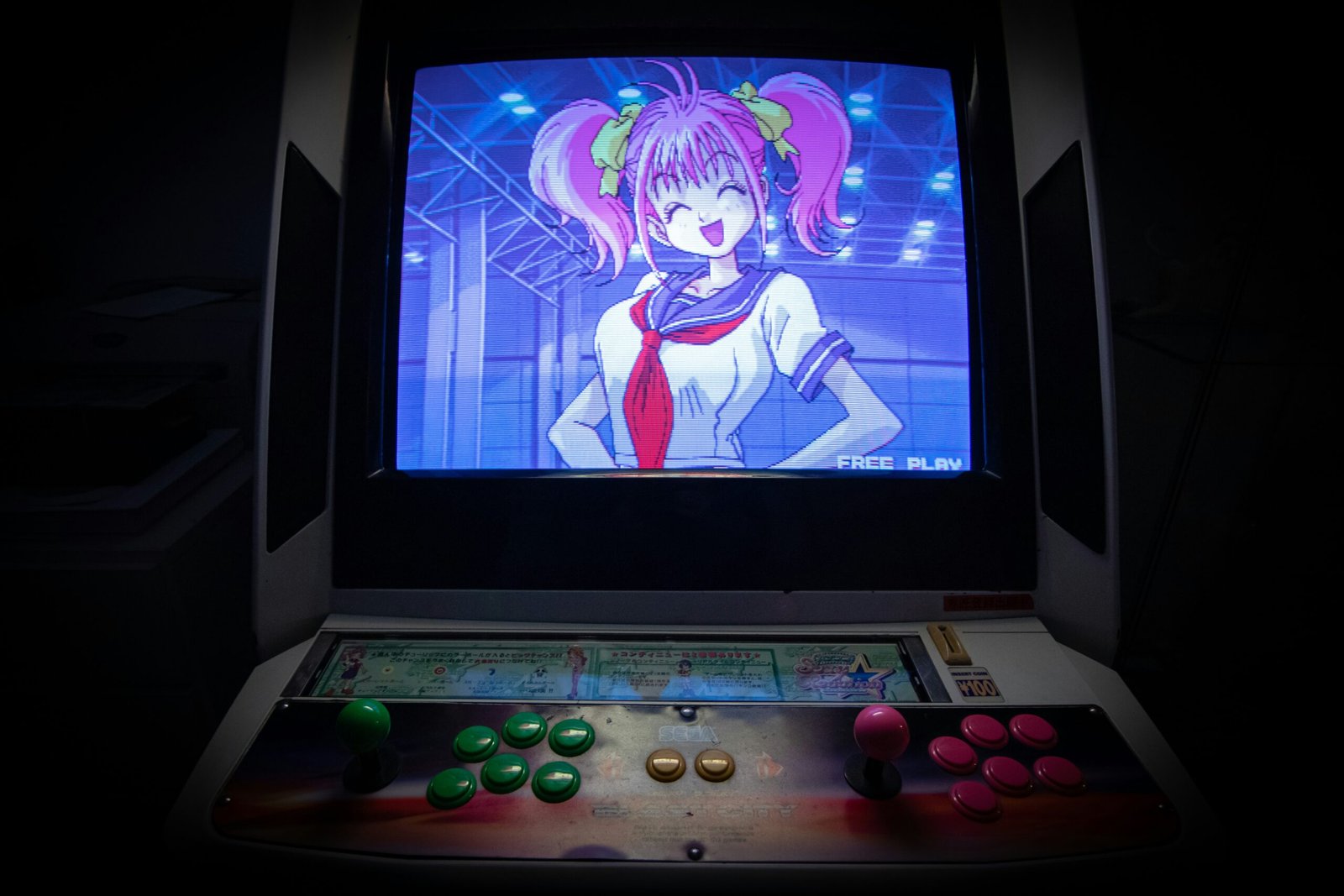
Anime, a term derived from the English word “animation,” holds profound cultural significance in Japan and has far-reaching implications in the global entertainment landscape. In the Japanese language, ‘anime’ (アニメ) refers to all forms of animated works, encompassing not just Japanese productions but any animated media. However, within English-speaking contexts, anime has become synonymous with a distinct style of animation that originated in Japan.
The roots of anime can be traced back to the early 20th century, making it a rich and intricate art form. Its evolution has been marked by the incorporation of various artistic techniques and storytelling methods that differentiate it from Western animation. Unlike typical children’s cartoons in the West, anime often portrays complex plots, multifaceted characters, and themes that resonate with various age groups. This complexity adds layers of depth to its narratives, engaging audiences on emotional and intellectual levels.
Over the decades, anime has transcended national boundaries and cultural barriers, growing into a global phenomenon. Its distinct aesthetic style, characterized by vibrant colors, exaggerated facial expressions, and fantastic themes, has captivated audiences worldwide. Furthermore, anime conventions, merchandise, and dedicated fan communities have sprung up, underscoring the genre’s impact on popular culture.
In its journey from Japan to the international stage, anime has gained immense popularity, challenging stereotypes about animated content and creating spaces for artistic expression. Through critically acclaimed series and films, anime serves as a platform for both traditional and contemporary narratives, reflecting Japan’s history, societal issues, and aspirations. As we explore the cultural significance of anime, it becomes evident that this animated medium is not merely entertainment; it is a lens through which we can understand different perspectives and cultures, making it a vital part of global discourse.
Understanding the Term Animesuge
The term ‘animesuge’ is a playful amalgamation of the Japanese word ‘sugoi,’ which translates to ‘amazing’ or ‘awesome,’ and the English word ‘anime.’ Within the anime community, the phrase can be interpreted as ‘anime is amazing,’ encapsulating the enthusiasm and admiration fans have for this medium. Animesuge functions as both an expression of excitement and a way to convey appreciation for the artistry, storytelling, and character development inherent in this form of entertainment.
Originating from the lexicon of anime enthusiasts, the term exemplifies how language can evolve within subcultures, bridging cultural gaps between Japanese and global audiences. It is often used informally among fans during discussions, social media interactions, or even in casual conversations when sharing their favorite shows, characters, or scenes. The phrase evokes a sense of camaraderie among anime fans, highlighting the collective appreciation for the brilliance and creativity that anime embodies.
Culturally, the term ‘animesuge’ provides insight into the emotional connections that viewers develop with the stories and characters presented in anime. It reflects a broader trend within fandoms where members seek to validate and celebrate their interests in unique ways. By using a term that blends language and sentiment, fans demonstrate their enthusiasm while also fostering a more inclusive environment for others who share similar passions. This word, therefore, not only signifies admiration but also serves as a unifying expression within the global anime community, underscoring the medium’s impact on its audience.
Correct Pronunciation of Anime
The word “anime” is a term that has gained immense popularity across the globe, representing a distinct style of animated media that originates from Japan. To properly articulate this term, a phonetic breakdown is essential. The correct pronunciation of “anime” is “ah-nee-meh.” This representation helps in avoiding the common Anglicized variations that often diminish the authenticity of the term. Mispronunciations, such as “an-em” or “an-ee-may,” fail to capture the essence of the original Japanese pronunciation.
When breaking down the word, it is helpful to focus on each syllable. The first syllable “ah” is an open sound that occurs as in ‘father’. The second syllable “nee” is pronounced as it appears, resembling the English word ‘knee’. Finally, the last syllable “meh” should be articulated with a soft ‘m’ and a clear short vowel sound, as in the word ‘met’. Together, they create the fluid pronunciation of “ah-nee-meh” which is integral to understanding and communicating within the anime community.
To master the pronunciation of “anime,” several strategies can aid learners. One effective method is to utilize audio resources such as language pronunciation websites or platforms like YouTube, where native speakers can demonstrate the correct way to say the term. Listening closely and mimicking the sounds can greatly enhance one’s ability to pronounce the word correctly. Additionally, incorporating speaking exercises can be beneficial; for instance, repetition of the word in varying sentences or contexts solidifies understanding. Practice makes perfect, and consistently using the correct pronunciation in conversation about anime will foster greater confidence over time.
Pronouncing Animesuge: The Breakdown
The pronunciation of “animesuge” can initially appear daunting due to unfamiliar sounds and syllabic structures. However, by breaking it down phonetically, one can master the articulation of this term with relative ease. “Animesuge” comprises four syllables, which can be parsed into “ani-me-su-ge.” Each syllable plays a critical role in the overall rhythm and stress of the word.
Starting with the first syllable, “ani,” it is pronounced as “ah-nee.” It’s essential to maintain an open vowel sound for the “a,” followed by a clear ‘nee.’ This first syllable should carry the primary stress, making it slightly more emphatic than the others. The second syllable, “me,” is simpler and articulated as “may.” The “m” sound should be succinct, followed by a bright, short vowel sound.
Moving on to the third syllable, “su,” it is pronounced “soo.” This syllable must also be light and unaccented, maintaining a smooth transition from the preceding “me.” Finally, the fourth syllable, “ge,” is pronounced “geh.” The ‘g’ should be voiced softly, ensuring that this syllable does not overpower the previous ones. The rhythm of “animesuge” is generally characterized by a strong-weak-weak-weak pattern, which enhances its flow.
Common mistakes include overemphasizing the latter syllables or mispronouncing the vowels, which can distort the intended sound. To avoid this, practice saying the word slowly, focusing on maintaining the correct stress on “ani” while ensuring the other syllables remain light and fluid. Listening to native speakers can also aid in grasping the proper intonation and rhythm. With consistent practice, achieving an accurate pronunciation of “animesuge” will become second nature.
Common Mispronunciations to Avoid
Pronouncing ‘animesuge’ and ‘anime’ correctly can be a challenge for many English speakers. Some common mispronunciations include pronouncing ‘anime’ as ‘an-eye-may’ instead of the correct ‘ah-nee-may.’ This disruption often happens because English phonetics and syllable stress differ from those of Japanese, leading to confusion. Similarly, ‘animesuge’ may be incorrectly articulated as ‘animi-suge’ or ‘anime-sue-jay,’ where local dialect influences the pronunciation pattern.
The mistakes frequently arise from unfamiliarity with Japanese phonetic rules, which dictate that each vowel is pronounced distinctly and should not be blended or modified in ways common in English. In Japanese, the vowels are pronounced as ‘a’ (as in ‘car’), ‘i’ (as in ‘machine’), ‘u’ (as in ‘food’), ‘e’ (as in ‘met’), and ‘o’ (as in ‘go’). Therefore, for the correct pronunciation of ‘animesuge,’ one must focus on saying each syllable clearly: ‘a-ni-me-su-ge,’ ensuring each vowel sound is given its due emphasis without blending.
To correct these pronunciation errors, it is crucial to practice sounding out each syllable slowly. Start by breaking down the words into their constituent parts, repeating them individually before combining them. Listening to native speakers and mimicking their pronunciation can also be beneficial. Utilizing resources such as pronunciation guides, language apps, or even social media can provide real-time examples to aid in mastering these terms. The key to mastering ‘animesuge’ and ‘anime’ lies in deliberate practice and consistent exposure to the correct phonetic sounds, which will gradually enhance your proficiency.
Cultural Context: Why Pronunciation Matters
Pronunciation plays a pivotal role in the appreciation and understanding of anime and its associated terms, such as “Animesuge.” The nuances of pronunciation are deeply intertwined with the cultural context from which anime originates. Mispronouncing anime-related vocabulary can lead to misunderstandings, diminishing the richness of discussions among fans. For instance, if a term is inaccurately pronounced, it may evoke confusion surrounding character names, plot elements, or even thematic concepts within a particular series.
Moreover, the integrity of language is often viewed as a reflection of respect towards the culture that birthed it. By accurately pronouncing terms central to anime, one demonstrates an appreciation for the medium’s origins and its cultural significance. This respect fosters a more inclusive environment for new and seasoned fans alike, creating an atmosphere of mutual understanding. Failure to recognize and incorporate correct pronunciation may inadvertently convey a dismissive attitude towards Japanese culture, potentially alienating both casual viewers and die-hard enthusiasts.
Mastering the pronunciation of anime terms not only enhances individual comprehension but also enriches social interactions within the anime community. Properly articulating words can lead to more engaging discussions and exchanges of ideas, whether in fan conventions, social media platforms, or casual meet-ups. Members of the community who articulate their thoughts clearly and correctly are often seen as more credible and knowledgeable, thus fostering deeper connections with others who share similar interests.
In turn, this fosters an encouraging environment for learning and exploration of anime. Engaging authentically with the language deepens one’s experience and appreciation of the art form, highlighting the importance of correct pronunciation in fostering cultural connectivity and collective enthusiasm within the anime fandom.
Tips for Improving Your Pronunciation Skills
mastering the pronunciation of the term “Animesuge” and other Japanese terms requires a focused approach that emphasizes both listening and speaking skills. To begin with, utilizing language learning applications such as Duolingo, Rosetta Stone, or Pimsleur can significantly aid in capturing the nuances of Japanese pronunciation. These apps often incorporate listening exercises, enabling learners to hear proper pronunciation while practicing alongside audio examples.
Online courses presented by platforms like Coursera or Udemy can also contribute positively to one’s pronunciation development. Courses that focus specifically on Japanese language skills typically feature recordings from native speakers, which can improve the learner’s ability to produce sounds accurately. Frequent practice with these resources can lead to a more natural articulation of complex sounds found in the language.
In addition to technological resources, engaging in local language exchange groups can provide valuable real-world practice. Interaction with native speakers allows for instant feedback, which is crucial for correct pronunciation. Whether through structured classes or informal meetups, participating in these groups can greatly bolster confidence and pronunciation accuracy when speaking.
Furthermore, listening to Japanese media such as anime, dramas, or music creates an immersive environment that allows learners to pick up on tone, rhythm, and intonation. Mimicking the pronunciations and expressions heard in these media forms can enhance auditory skills, which are vital in mastering any new language. Learning in context will lead to a deeper understanding of the cultural nuances of language.
By integrating these varied methods – traditional classroom techniques, apps, online resources, and community engagement – learners can effectively enhance their pronunciation skills for terms like “Animesuge”. This multifaceted approach promotes not only clarity in pronunciation but also an appreciation for the subtleties of the Japanese language.
Engaging with the Anime Community
Engaging with the anime community is an enriching experience that fosters connections among fans who share a profound interest in anime culture. A key aspect of this engagement is accurate pronunciation, particularly of terms such as “Animesuge,” which can significantly enhance communication within the community. Correct pronunciation not only demonstrates respect for the medium but also reflects a level of commitment that many anime enthusiasts value.
Participating in discussions on online forums or social media platforms provides an excellent opportunity to practice pronunciation. When contributing to conversations, using correct terms, like “Animesuge,” can facilitate understanding and make interactions smoother. In many cases, fan communities appreciate when newcomers make an effort to use the right pronunciation, as it shows a willingness to embrace the culture fully.
Attending anime screenings or conventions is a fantastic way to immerse oneself in the community. These gatherings often present opportunities for group discussions or meet-ups, where being able to pronounce titles and character names correctly can lead to deeper conversations. Fans often bond over shared experiences and correct pronunciation can serve as a strong icebreaker. For instance, when discussing favorite shows, referring to “Animesuge” accurately might lead to shared enthusiasm and insights among fans, encouraging lively conversations.
Moreover, connecting with other fans through game nights or collaborative art projects can highlight the importance of accurate pronunciation. When organizing such events, clearly articulating titles and themes ensures that all members feel included and eager to share their thoughts. Ultimately, mastering the pronunciation of terms like “Animesuge” will not only elevate individual interactions but also contribute positively to the broader anime community dynamic.
Conclusion: The Journey to Pronunciation Mastery
Mastering the pronunciation of “animesuge” represents a significant step in the broader journey of understanding and appreciating anime culture. Throughout this guide, we have explored various aspects of correct enunciation, including the importance of phonetic accuracy, the role of vowel and consonant sounds in Japanese, and practical tips to refine one’s pronunciation skills. Each of these components plays a crucial role in not only enhancing one’s own understanding of anime but also in fostering a deeper connection with fellow enthusiasts and the broader community.
The journey of pronunciation mastery is not merely a destination, but rather a continuous process. As learners engage with the language, they will undoubtedly encounter challenges and variations in pronunciation, especially given the diversity of regional accents and dialects found within the world of anime and Japanese culture. However, embracing these complexities contributes to a richer learning experience and an appreciation for the nuances of the language.
Encouragement should be given to all who seek to improve their pronunciation skills. By practicing regularly, seeking feedback from peers or native speakers, and immersing oneself in the language through anime and related media, learners can see substantial progress over time. It is essential to maintain a growth mindset, viewing mistakes as opportunities for improvement rather than setbacks. With commitment and enthusiasm, mastering the pronunciation of anime-related terms, such as “animesuge”, becomes not only achievable but also an enjoyable endeavor.
In conclusion, the effort invested in the journey of pronunciation mastery enhances not just individual understanding but helps to build bridges within the larger anime community. By engaging with the language authentically, we all can contribute to an inclusive and vibrant dialogue that celebrates the art of anime and its unique cultural heritage.