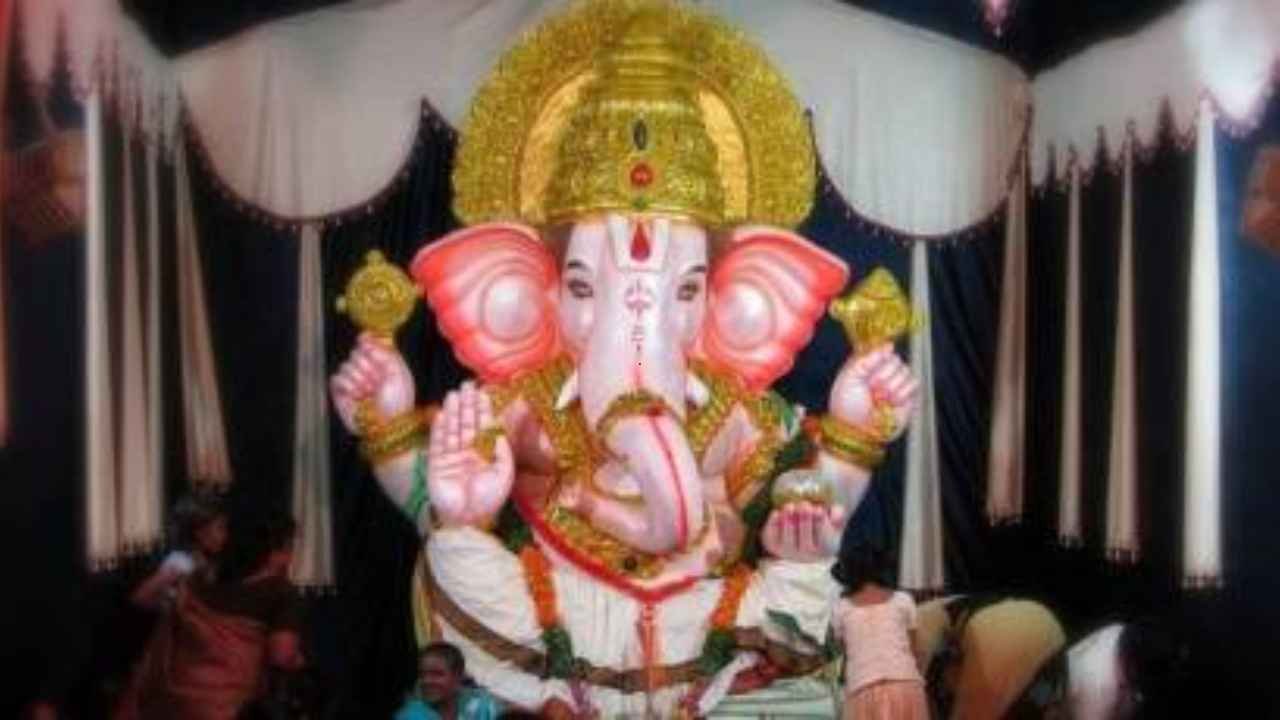
Ganesh Chaturthi, also known as Vinayaka Chaturthi, is one of the most celebrated Hindu festivals, dedicated to Lord Ganesha—the remover of obstacles, patron of wisdom, and harbinger of prosperity. The festival is marked by devotion, grandeur, and unity across India and beyond.
Ganesh Chaturthi: History, Significance, Rituals and Celebrations

🌺 History of Ganesh Chaturthi
The origins of Ganesh Chaturthi date back to ancient times when sages and devotees worshipped Lord Ganesha before beginning any auspicious task.
The festival gained prominence during the Maratha Empire under Chhatrapati Shivaji Maharaj, who encouraged it as a community celebration.
In the late 19th century, Lokmanya Bal Gangadhar Tilak transformed Ganesh Chaturthi into a public festival to unite Indians during the freedom struggle. His initiative turned private household pujas into large-scale community celebrations that continue today.
✨ Significance of Ganesh Chaturthi
Spiritual – Symbolizes the birth of Lord Ganesha, who is worshipped for wisdom, success, and removal of obstacles (Vighnaharta).
Cultural – Brings communities together through collective prayers, music, dance, theatre, and cultural programs.
Social – Encourages unity, equality, and participation across all sections of society.
Environmental – Modern awareness emphasizes eco-friendly Ganesh idols to protect rivers and marine life.
🕉️ Rituals of Ganesh Chaturthi
Ganesh Sthapana (Idol Installation): The idol of Lord Ganesha is placed on a decorated platform at homes and pandals.
Pran Pratishtha: A sacred ritual to invoke the presence of Lord Ganesha in the idol.
Puja Vidhi: Devotees offer durva grass, red flowers, incense, lamps, fruits, and sweets.
Naivedya: Modaks, laddus, and other delicacies are offered to Lord Ganesha.
Daily Aarti: Morning and evening aartis are performed with family and community members.
Ganesh Visarjan: On the last day, idols are immersed in water with chants of “Ganpati Bappa Morya, Pudhchya Varshi Lavkar Ya!”
🎉 Celebrations Across India
Maharashtra: Mumbai and Pune host the grandest celebrations with massive pandals, cultural shows, and iconic idols like Lalbaugcha Raja.
Goa: Known as Chavath, celebrated with traditional rituals and homemade clay idols.
Karnataka & Andhra Pradesh: Families perform elaborate pujas, and public celebrations are vibrant with music and processions.
Tamil Nadu: Known as Pillaiyar Chaturthi, celebrated with devotion and traditional feasts.
Northern India: Delhi, Uttar Pradesh, and Rajasthan witness growing community Ganesh pujas.
🌍 Global Celebrations
Ganesh Chaturthi is not limited to India. Large Indian communities celebrate the festival with equal enthusiasm in:
United States (New Jersey, California, Texas)
United Kingdom (London, Leicester)
Australia (Sydney, Melbourne)
Middle East (Dubai, Abu Dhabi)
Mauritius, Nepal, Sri Lanka, and Canada
🌊 Ganesh Visarjan
The festival lasts 10 days and concludes on Anant Chaturdashi, when devotees immerse idols in water bodies. The ritual symbolizes:
Cycle of Creation & Dissolution – Life is temporary, and everything returns to the universe.
New Beginnings – As Lord Ganesha departs, he promises to return the next year bringing fresh blessings.
📌 Key Takeaways
Ganesh Chaturthi is both a religious and cultural festival that fosters devotion, unity, and joy.
It symbolizes wisdom, prosperity, and removal of obstacles.
The festival is celebrated with grandeur in India and worldwide.
Eco-friendly celebrations are becoming the new way to preserve both tradition and nature.
🌟 Conclusion
Ganesh Chaturthi is more than just a festival; it is a celebration of life, community, and faith. As families and communities come together with devotion and joy, Lord Ganesha’s blessings fill lives with positivity, courage, and prosperity.
Ganpati Bappa Morya!