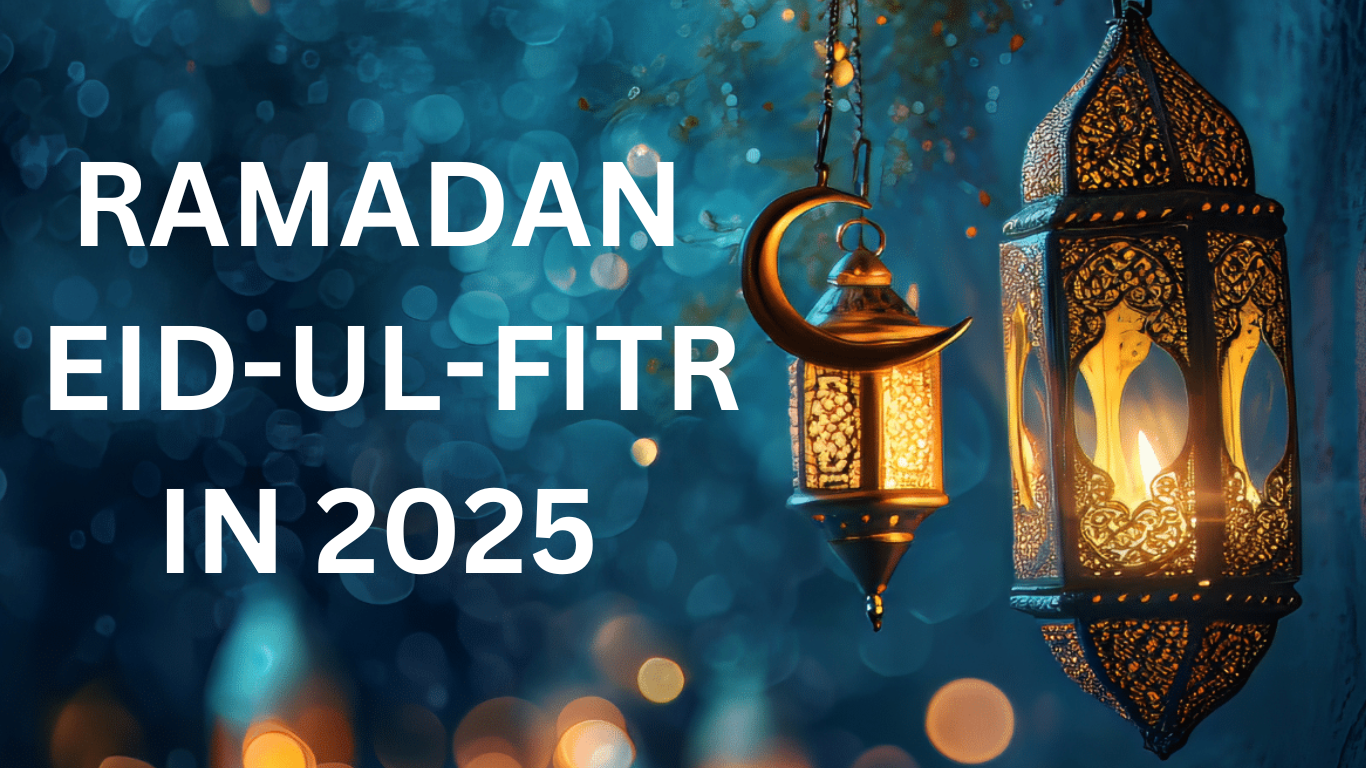
Eid-ul-Fitr, the “Festival of Breaking the Fast,” marks the end of the holy month of Ramadan and is one of the most significant Islamic celebrations worldwide. It is a time of gratitude, charity, and community togetherness. However, the exact date of Eid-ul-Fitr depends on the sighting of the crescent moon, making it a subject of anticipation and observation each year.
Eid-ul-Fitr 2025: Is It on March 31 or April 1?

For 2025, Muslims in South Asian countries—including India, Pakistan, and Bangladesh—will observe the moon on the evening of March 30, 2025 (corresponding to 29th Ramadan 1446 AH). If the moon is sighted, Eid-ul-Fitr will be celebrated on March 31, 2025. Otherwise, Ramadan will be completed with 30 days, and Eid will be observed on April 1, 2025.
Let’s explore the religious significance, traditions, and festive spirit of Eid-ul-Fitr in detail.
The Islamic Calendar and Moon-Sighting Tradition
Unlike the Gregorian calendar, which follows a fixed solar cycle, the Islamic (Hijri) calendar is based on the lunar cycle. Each Islamic month begins with the sighting of the new moon, making the process of moon sighting crucial for determining the date of religious occasions like Eid-ul-Fitr and Eid-ul-Adha.
In South Asian countries and many other parts of the world, official moon-sighting committees and religious authorities confirm the sighting of the crescent moon just before Ramadan ends. If the moon is visible after Maghrib prayers on the 29th day of Ramadan, the next day is declared as Eid-ul-Fitr. Otherwise, Ramadan is extended to 30 days, and Eid is observed the following day.
Significance of Eid-ul-Fitr
Eid-ul-Fitr is not just a celebration; it is a time of spiritual fulfillment, gratitude, and communal harmony. The festival signifies:
1. Completion of Ramadan
Muslims observe fasting (sawm) during the month of Ramadan as an act of devotion and self-discipline. Eid marks the successful completion of this period of worship.
2. Gratitude to Allah
Eid is a time to express thanks to Allah for the strength to observe fasting and engage in increased worship and charity.
3. Zakat al-Fitr (Charity)
A key aspect of Eid is Zakat al-Fitr, a form of obligatory charity that must be given before Eid prayers. This ensures that even the less fortunate can celebrate the festival.
4. Unity and Brotherhood
Eid brings people together regardless of social status, emphasizing peace, unity, and compassion.
Eid-ul-Fitr 2025 Celebrations and Traditions
1. Special Prayers (Salat al-Eid)
On the morning of Eid, Muslims gather in large numbers at mosques and open grounds to perform the special Eid prayer, known as Salat al-Eid. This congregational prayer is a key part of the celebrations.
2. Greetings and Festive Atmosphere
People greet each other with “Eid Mubarak”, meaning “Blessed Eid”, and exchange hugs, expressing joy and goodwill.
3. Dressing in New Clothes
Wearing new or best attire is a common tradition. Many people wear traditional clothing, such as:
Men: Kurta-pajama, sherwani, or thobe
Women: Salwar kameez, abayas, or sarees with intricate embroidery
4. Feasting on Delicious Foods
Food plays a central role in Eid celebrations, with families preparing special dishes such as:
Sheer Khurma (sweet vermicelli pudding with milk, dates, and dry fruits)
Baklava (layered pastry with honey and nuts)
Maamoul (Middle Eastern date-filled cookies)
Samosas, kebabs, and biryani (savory delights enjoyed across South Asia)
5. Giving and Receiving Gifts (Eidi)
Children and younger family members receive “Eidi”, a monetary gift from elders, symbolizing blessings and love.
6. Charity and Helping the Needy
Acts of generosity, such as distributing food, clothes, and money to the underprivileged, are an essential part of Eid.
7. Family Gatherings and Travel
Eid is a time for family reunions, with many people traveling to visit loved ones. The holiday provides a chance to relax, reconnect, and celebrate together.
Public Holidays and Celebrations Around the World
India, Pakistan, and Bangladesh
Eid-ul-Fitr is a public holiday, with government offices, schools, and businesses closed for the day. Large-scale gatherings, community feasts, and festive markets add to the joyous atmosphere.
Middle East (Saudi Arabia, UAE, Qatar, etc.)
Eid holidays typically last 2-3 days, with grand prayers, fireworks, and cultural events organized by governments.
Western Countries (USA, UK, Canada, etc.)
Muslim communities in non-Muslim-majority countries celebrate Eid with prayers at Islamic centers, community feasts, and cultural programs.
Eid-ul-Fitr 2025: A Time for Joy and Reflection
As the world awaits the sighting of the crescent moon, the spirit of Eid remains strong, bringing people together in faith, joy, and gratitude. Whether through special prayers, charitable acts, or spending time with loved ones, Eid-ul-Fitr serves as a reminder of the values of compassion, unity, and thankfulness.
No matter which day Eid falls on—March 31 or April 1, 2025—it will be a moment of immense joy for Muslims across the globe.
Eid Mubarak! 🌙✨