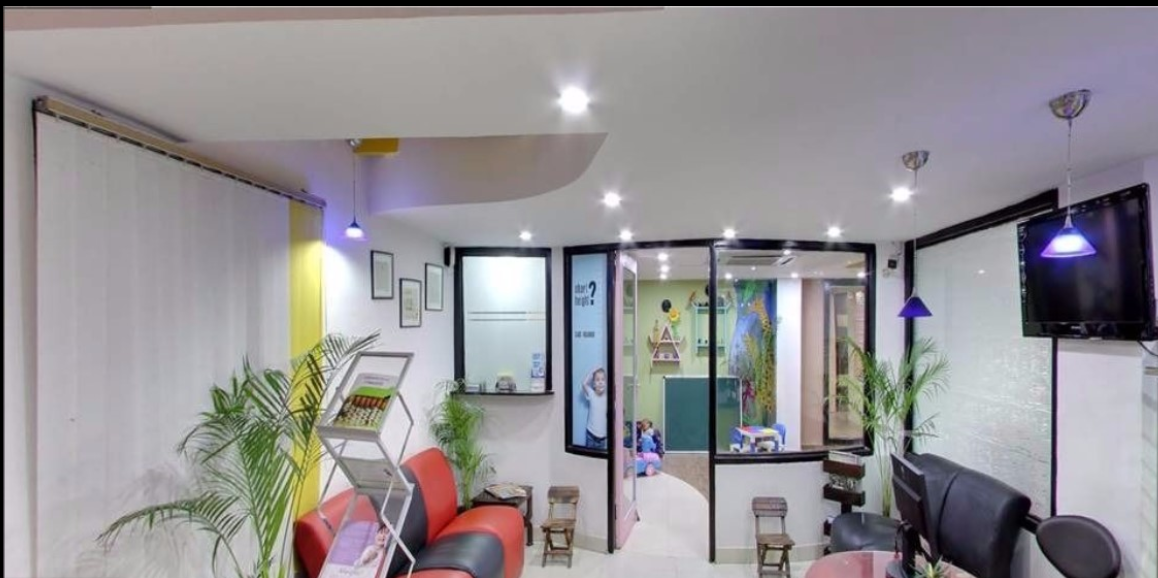
In today’s fast-paced urban life, many people feel disconnected from nature. Biophilic living spaces offer a solution by integrating natural elements into home and office environments. This design approach enhances well-being, improves productivity, and fosters sustainability. But what exactly does biophilic design mean?
Biophilic living spaces are environments designed to create a close connection between humans and nature. They incorporate natural materials, greenery, sunlight, and water features to evoke a sense of peace and relaxation.
This guide will explore the benefits, design principles, and practical ways to incorporate biophilic elements into your home or workplace.
🌱 The Benefits of Biophilic Living Spaces
Embracing a biophilic design is not just an aesthetic choice—it provides numerous physical, psychological, and environmental advantages.
✅ Health and Well-Being
- Reduced stress levels: Natural elements like plants and water features create a calming environment.
- Improved air quality: Indoor plants help filter toxins and enhance oxygen levels.
- Better sleep: Exposure to natural light regulates the circadian rhythm, leading to restful sleep.
- Boosted mental clarity: Greenery and nature-inspired designs enhance focus and cognitive performance.
✅ Increased Productivity and Creativity
- Studies suggest that workspaces with biophilic elements increase productivity by up to 15%.
- Nature-inspired interiors stimulate creativity and innovation, making them ideal for remote workers.
✅ Environmental Sustainability
- Energy efficiency: Green walls and smart windows reduce cooling and heating costs.
- Eco-friendly materials: Using sustainable wood, bamboo, and stone minimizes environmental impact.
- Less carbon footprint: By reducing artificial lighting and air conditioning, biophilic spaces lower energy consumption.
🌞 Core Design Principles of Biophilic Living Spaces
Biophilic design revolves around six key principles. Implementing these can transform any space into a harmonious, nature-infused environment.
1️⃣ Natural Light Optimization
- Use large windows, skylights, and glass doors to maximize daylight.
- Position workspaces and seating areas where they receive ample natural light.
2️⃣ Indoor Plants and Greenery
- Incorporate indoor plants, vertical gardens, or potted trees.
- Choose low-maintenance plants like snake plants, pothos, or peace lilies.
3️⃣ Natural Materials and Textures
- Opt for wood, stone, rattan, and bamboo instead of synthetic materials.
- Include textured rugs, woven fabrics, and organic patterns for a cozy feel.
4️⃣ Water Features for a Calming Effect
- Install small indoor fountains or an aquarium for tranquility.
- Use water-inspired art or wallpaper if space is limited.
5️⃣ Biophilic Color Schemes
- Choose earthy tones like green, brown, beige, and blue.
- Incorporate nature-inspired patterns in wallpapers and textiles.
6️⃣ Organic Shapes and Patterns
- Avoid rigid, boxy designs—opt for curved furniture and flowing layouts.
- Use nature-inspired patterns in decor, like leaf motifs or ocean waves.
🏡 How to Incorporate Biophilic Design in Your Home
Now that you know the principles, let’s discuss practical ways to implement them in different areas of your home.
1. Living Room
- Place large indoor plants like fiddle leaf figs or palms.
- Use furniture made of natural materials like wood and cane.
- Hang nature-themed artwork or landscape photographs.
- Allow maximum natural light by using sheer curtains.
2. Bedroom
- Choose wooden furniture and organic cotton bedding.
- Add aromatherapy plants like lavender for relaxation.
- Keep windows uncovered to let in natural daylight.
3. Kitchen
- Set up a small herb garden for fresh basil, mint, or thyme.
- Use stone countertops and bamboo storage.
- Incorporate open shelving with natural elements like wooden bowls.
4. Home Office
- Position your desk near a window for natural light.
- Include indoor plants to enhance focus and air quality.
- Use a wooden desk and ergonomic chair for comfort and sustainability.
🌍 Sustainable Choices for Biophilic Living Spaces
To fully embrace the essence of biophilic design, prioritize sustainable and eco-conscious choices.
♻️ Sustainable Materials
- Choose reclaimed wood, bamboo, and cork for furniture.
- Use organic cotton and linen fabrics for upholstery.
💡 Energy-Efficient Lighting
- Switch to LED bulbs to reduce electricity consumption.
- Install motion-sensor lighting to avoid unnecessary power usage.
🌎 Eco-Friendly Paints and Finishes
- Use low-VOC (volatile organic compound) paints.
- Opt for natural wax or oil finishes instead of synthetic coatings.
🌳 Outdoor Integration
- Create green spaces like rooftop gardens or patios.
- Use permeable paving to support natural water absorption.
💡 Frequently Asked Questions
🔹 Is biophilic design expensive?
Not necessarily. You can start with simple, cost-effective changes like adding plants, using natural fabrics, and maximizing natural light.
🔹 Can I apply biophilic design in a small apartment?
Yes! Even in a small space, you can add greenery, nature-inspired decor, and sustainable materials to create a biophilic atmosphere.
🔹 Does biophilic design improve mental health?
Absolutely! Numerous studies confirm that nature-inspired environments reduce anxiety, enhance mood, and increase happiness.
🎯 Final Thoughts: Embrace Biophilic Living Spaces Today!
Biophilic living spaces are more than a design trend—they represent a holistic approach to well-being, sustainability, and mindful living. By incorporating natural elements, you create a home that is not only beautiful but also healthier and more eco-friendly.
Whether you’re designing a new home or making small improvements, biophilic principles can transform your space into a serene, nature-infused haven.
So why wait? Start integrating biophilic elements today and experience the transformative power of nature in your daily life! 🌿✨