In the whirlwind of modern life, we often forget one of the most fundamental acts that sustain us—breathing. Breathing isn’t just a survival mechanism; it’s a powerful tool for physical, mental, and spiritual transformation. Among the many breathing techniques across cultures, Pranayama—an ancient yogic practice from India—stands out as the best breathing exercise for holistic health.
Best Breathing Exercise: 9 Health Benefits of Pranayama
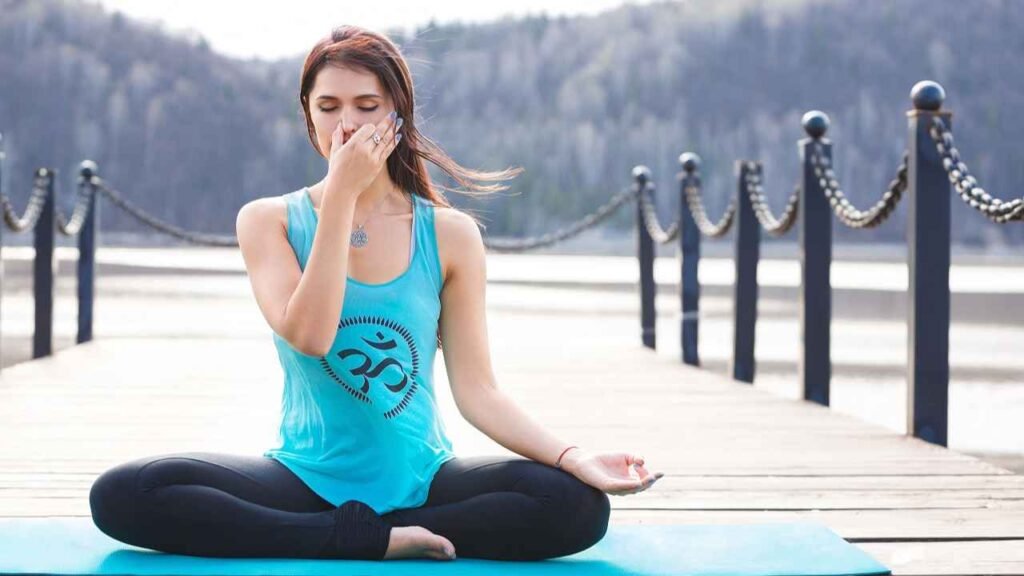
In this blog post, we’ll explore what Pranayama is, how to practice it, and the top 9 health benefits that make it an essential addition to your daily routine.
🧘♂️ What is Pranayama?
Pranayama is a Sanskrit word composed of “prana” (life force or breath) and “ayama” (control or expansion). Together, it means “the control of life energy through the regulation of breath.” Practiced for thousands of years in India, Pranayama is one of the eight limbs of Yoga as described in the ancient text Patanjali’s Yoga Sutras.
Pranayama involves specific techniques of inhalation (puraka), retention (kumbhaka), and exhalation (rechaka), each designed to cleanse the body, calm the mind, and energize the spirit.
🏆 Best Breathing Exercise: Nadi Shodhana (Alternate Nostril Breathing)
While there are several types of Pranayama, Nadi Shodhana, also known as Alternate Nostril Breathing, is considered one of the most effective and balanced techniques.
🔹 How to Practice Nadi Shodhana:
Sit comfortably in a cross-legged position with your spine erect.
Use your right thumb to close your right nostril.
Inhale slowly through your left nostril.
Now, close the left nostril with your ring finger, and exhale through the right nostril.
Inhale through the right nostril, close it with the thumb, and exhale through the left nostril.
One full cycle = Inhale left → Exhale right → Inhale right → Exhale left.
Repeat for 5–10 minutes daily. You can gradually increase the duration as your practice deepens.
🌿 Top 9 Health Benefits of Pranayama
1. Reduces Stress and Anxiety
Pranayama directly influences the parasympathetic nervous system, helping to calm the mind and reduce cortisol levels (the stress hormone). Just 5 minutes of controlled breathing can bring a profound sense of peace.
🧠 Scientific Insight: Studies show that slow breathing activates the vagus nerve, which triggers a relaxation response.
2. Enhances Lung Capacity and Respiratory Efficiency
Regular practice strengthens the diaphragm and improves oxygen uptake, making your lungs more efficient. This is especially beneficial for people with asthma, bronchitis, or post-COVID recovery.
🌬️ Try This: Bhastrika (Bellows Breath) can significantly boost lung performance over time.
3. Improves Concentration and Mental Clarity
By slowing down the breath and focusing on its rhythm, pranayama enhances brain oxygenation and reduces mental clutter. This leads to better focus, decision-making, and memory retention.
🧘♀️ Ideal for students, professionals, and creatives.
4. Balances the Nervous System
Techniques like Nadi Shodhana balance the left and right hemispheres of the brain, promoting emotional stability and nervous system equilibrium.
⚖️ Balance = Better emotional intelligence and resilience.
5. Detoxifies the Body
Through deep exhalation, Pranayama expels more carbon dioxide and toxins from the body. It stimulates lymphatic drainage and supports the body’s natural detox mechanisms.
🌱 Pair with a healthy diet for enhanced detox results.
6. Boosts Immunity
Controlled breathing increases vital energy (prana), reduces inflammation, and promotes better circulation—all of which strengthen the immune system.
🛡️ Kapalabhati (Skull Shining Breath) is especially effective for immune activation.
7. Supports Digestive Health
Deep breathing massages the abdominal organs, improving peristalsis, metabolism, and nutrient absorption. It also reduces stress-related gastrointestinal issues like IBS or acid reflux.
🍽️ Practice before meals or after yoga asanas for best results.
8. Promotes Better Sleep
Pranayama induces a deep relaxation state, making it easier to fall asleep and stay asleep. Techniques like Chandra Bhedana (left nostril breathing) are calming and sedative.
😴 Try 10 minutes before bedtime for a deeper, more restful sleep.
9. Uplifts Mood and Spiritual Awareness
On a subtler level, Pranayama helps release emotional blockages and stimulates the pineal gland, which is associated with intuition and spiritual awakening.
✨ Practiced regularly, it can lead to a deeper connection with the self and the universe.
🌅 When and How Often Should You Practice?
Best Time: Early morning on an empty stomach
Duration: Start with 5–10 minutes and gradually increase to 20–30 minutes
Frequency: Daily for best results, even 3–4 times per week offers benefits
⚠️ Precautions to Keep in Mind
Avoid practicing immediately after meals
Pregnant women, people with heart conditions, or those with medical issues should consult a healthcare provider before starting
Always learn advanced techniques like Kumbhaka under expert supervision
🌸 Conclusion: A Breath of Health and Harmony
Pranayama is more than a breathing exercise; it’s a life-altering practice that harmonizes the body, mind, and spirit. Whether you’re looking to boost your immunity, calm your anxiety, or elevate your consciousness, the answer lies in your breath.
Start today with Nadi Shodhana, stay consistent, and experience the transformation. After all, each breath you take is a step toward a healthier you.