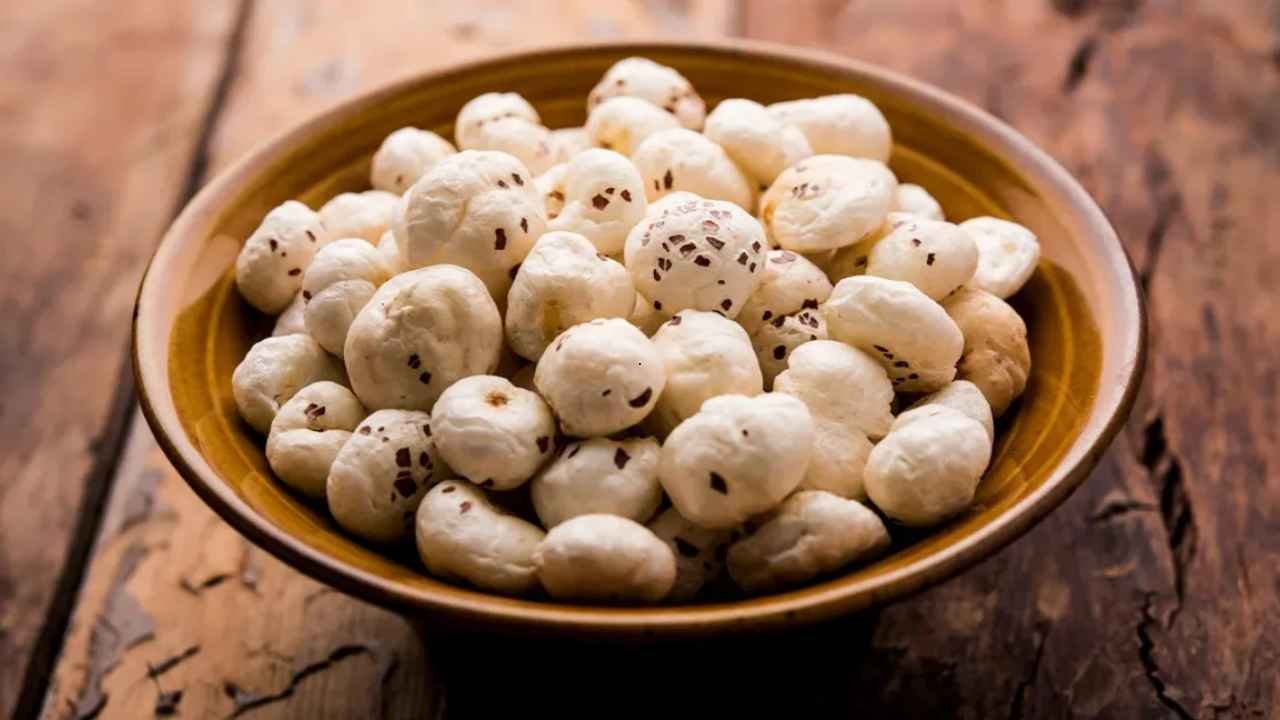
Makhana, also known as Fox Nuts or Lotus Seeds, has been a staple in Indian households for centuries. Traditionally used in fasting recipes and Ayurvedic medicine, makhana is now gaining global attention as a superfood. These crunchy white seeds are light, versatile, and packed with nutrients that support overall health.
Makhana (Fox Nuts): Health Benefits, Nutrition, and Best Ways to Eat

Whether roasted as a snack or cooked into curries and desserts, makhana offers a wholesome way to nourish the body. Let’s explore the nutritional value, health benefits, and the best ways to include makhana in your daily diet.
Nutritional Value of Makhana
A 100-gram serving of makhana provides:
Calories – 347 kcal
Protein – 9.7 g
Carbohydrates – 76.9 g
Fiber – 14.5 g
Fat – 0.1 g
Calcium – 60 mg
Iron – 1.4 mg
Magnesium – 83 mg
Potassium – 500 mg
👉 Makhana is low in fat, gluten-free, and rich in antioxidants, making it an ideal guilt-free snack.
Top Health Benefits of Eating Makhana
1. Supports Weight Loss
Makhana is low in calories and high in protein, making it a great snack for weight management. Its fiber content keeps you full for longer and helps control unnecessary cravings.
2. Improves Heart Health
Rich in magnesium and low in sodium, makhana helps regulate blood pressure and improve heart function. The antioxidants also prevent cholesterol build-up in arteries.
3. Strengthens Bones
Makhana contains calcium and magnesium, which are essential for bone health. Regular consumption can help prevent osteoporosis and improve joint strength.
4. Boosts Kidney Health
In Ayurveda, makhana is often recommended for kidney health. Its natural properties help flush out toxins and improve kidney function.
5. Anti-Aging Properties
Packed with antioxidants like flavonoids, makhana fights free radical damage, slows down aging, and keeps skin youthful and glowing.
6. Good for Diabetes
Makhana has a low glycemic index, meaning it does not cause sudden spikes in blood sugar levels. It’s a healthy snack choice for diabetics.
7. Promotes Better Digestion
The high fiber content in makhana supports smooth digestion, prevents constipation, and improves gut health.
Best Ways to Eat Makhana
Roasted Makhana Snack – Dry roast makhana in a pan with a little ghee and salt for a light and crunchy snack.
Makhana Kheer – Cooked in milk with cardamom and dry fruits, makhana becomes a delicious and healthy dessert.
Makhana Curry – Add makhana to tomato or cashew-based curries for a rich and creamy dish.
Makhana in Smoothies – Blend roasted makhana into smoothies for added nutrition and crunch.
Trail Mix – Mix makhana with nuts, raisins, and seeds for a healthy snack box.
Who Should Avoid Eating Too Much Makhana?
People with constipation should eat makhana in moderation, as excessive intake can cause digestive issues.
Those with high blood sugar should avoid adding sugar when preparing makhana dishes like kheer.
Pregnant or breastfeeding women should consult their doctor before consuming it daily.
Final Thoughts
Makhana is more than just a fasting food – it’s a powerhouse of nutrition that supports heart health, digestion, weight loss, and glowing skin. Easy to prepare and versatile, these fox nuts can be enjoyed in multiple ways throughout the day.
By making roasted makhana your go-to snack, you can satisfy cravings guilt-free while giving your body the nourishment it deserves.