A Full-Spectrum Geopolitical Guide to the Latest India-US-Russia Standoff
🧠 Introduction: The Clash Over Crude
What if I told you that a barrel of Russian oil could redefine the 21st-century world order?
That’s not a dramatic exaggeration. That’s geopolitics in 2025.
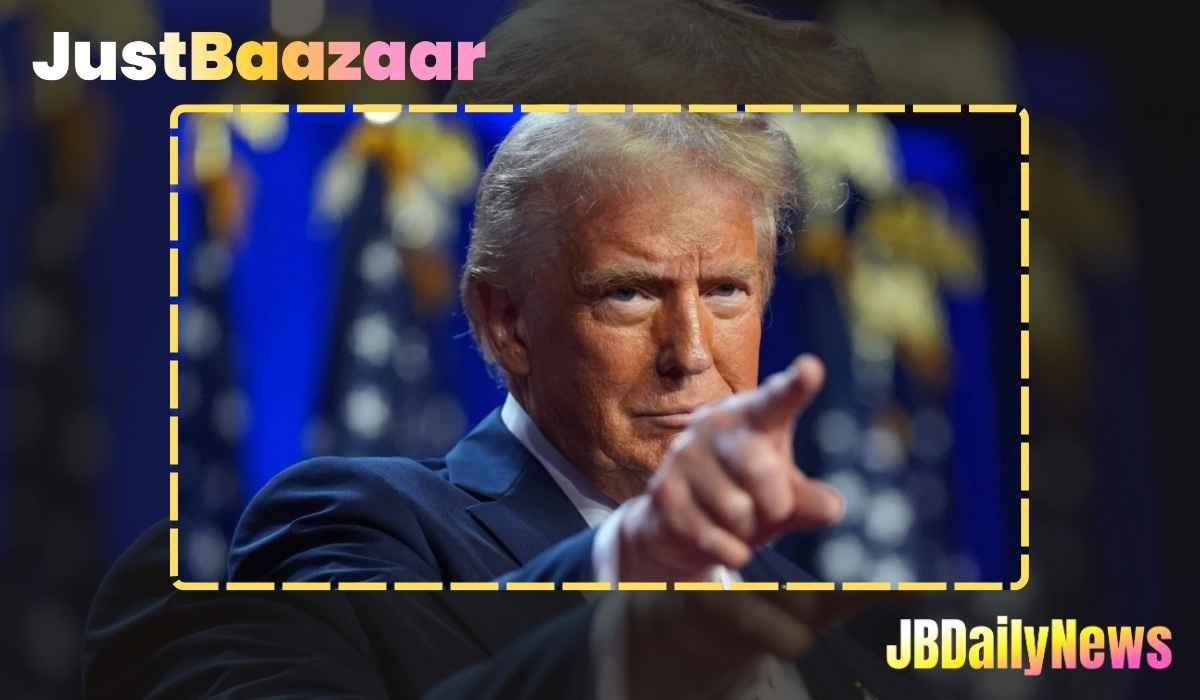
In early August, former and possibly future U.S. President Donald Trump dropped a diplomatic bombshell: a 25% hike on all Indian exports to the U.S., with a threat to escalate tariffs “substantially” within 24 hours. The reason? India’s continued energy trade with Russia despite the ongoing war in Ukraine.
In response, India didn’t flinch. The Ministry of External Affairs, flanked by bipartisan political support, called Trump’s threats “unjustified and unreasonable.” India made it clear: national interest will not be dictated by foreign pressure.
This isn’t just about oil. It’s about sovereignty, strategic autonomy, and the rules of a new global game.
Let’s dive deep into this 4000-word comprehensive guide to understand:
Why Trump is targeting India
What’s at stake for both nations
Russia’s strategic backing of India
What Chanakya would advise in this situation
The long-term implications for global geopolitics
And how India can not only survive—but win—this confrontation
🛢️ Part 1: What’s the Real Issue?
The real issue isn’t just oil—it’s about who controls the narrative and global trade power in a post-unipolar world.
✅ The Trigger
Trump’s grievance revolves around India’s continued purchase of Russian oil, which surged after the Ukraine war began. India, seeking energy security and price stability, tapped into heavily discounted Russian crude—and built a new energy corridor despite Western sanctions.
Trump’s narrative: India is “profiting from war,” indirectly supporting Russia’s military operations.
India’s counter: We’re simply buying cheap oil to keep our economy running and inflation low, and we are not alone—Europe is still importing Russian LNG and oil through third-party arrangements.
Trump responded with firepower: tariff hikes, threats of penalties, and accusations of India being “not a good trading partner.”
📊 Part 2: What’s at Stake?
Let’s break it down by stakeholder:
🇮🇳 For India:
Exports to the U.S. = ~$85 Billion annually
Key sectors impacted: pharmaceuticals, gems and jewellery, auto parts, IT services, textiles
Jobs risk: Millions of livelihoods in MSMEs and export-driven sectors could face the heat
Currency pressure: The rupee could weaken if FDI slows or exports collapse
Diplomatic complexity: Balancing U.S. ties (Quad, Indo-Pacific) with the long-standing Russia partnership
🇺🇸 For the U.S.:
Trade Disruption: Tariff hikes could hurt American importers and consumers
Geopolitical Blowback: If India resists, it may strengthen BRICS over Quad, pushing India away from Western alliances
Image of Hypocrisy: The West still buys Russian energy through alternate channels—India is being unfairly singled out
🇷🇺 For Russia:
Strategic Win: If India holds the line, it proves that U.S. sanctions are no longer absolute
Economic Lifeline: India is now Russia’s second-largest oil buyer
Multipolar Endorsement: Russia uses this episode to rally BRICS and global South solidarity
🛡️ Part 3: India’s Response – “Arthashastra in Action”
India didn’t panic. It replied in classic Chanakya Niti fashion—measured but firm.
Official Statement Highlights:
“Energy policy is sovereign.”
“Unjustified, unreasonable, coercive diplomacy.”
“India will continue to act in its best interest.”
Behind-the-scenes steps taken:
Emergency talks with export industry leaders
Rs. 20,000 Crore Export Promotion Mission launched
Exploring alternative energy sources (Gulf nations, U.S. shale, renewables)
Expanding non-US markets in Africa, ASEAN, Latin America
Strengthening Rupee-Ruble payment channels
India is also expected to raise the issue at BRICS and the upcoming G20 meet, questioning the West’s double standards.
🧠 Part 4: What Would Chanakya Do?
From the lens of Arthashastra, let’s examine India’s best path forward.
🔁 Mandala Theory: Geopolitical circles of friends and foes
Immediate neighbor (Mitra): Russia – supportive, no coercion
Outer circle (Ari-Mitras): U.S. – friend in name, but coercive now
Neutral player: Gulf nations – can help offset crude deficit if Russia supply slows
Enemy of enemy (Mitram’s Mitra): China? Caution needed, as India shouldn’t walk into Beijing’s arms out of desperation
🧩 Strategy:
Yana (Mobilization): Prepare economic buffers through strategic reserves and subsidies
Sama (Conciliation): Offer symbolic tapering of oil imports if trade negotiations resume
Dama (Gifts): Use trade concessions in other sectors to ease tensions
Bheda (Division): Play on U.S. internal divisions—Congress is split on Trump’s aggressive trade stance
📜 Part 5: The Myth of the ‘Good Trading Partner’
Trump labelled India “not a good trading partner.” But what does the data say?
India’s tariffs on U.S. goods are actually lower than Sri Lanka and Thailand in many sectors
India buys over $45 billion worth of American goods—including defence tech, Boeing aircraft, Apple products
Indian pharma has kept American healthcare costs low
Indian students and professionals contribute billions to the U.S. economy
This is not an exploitative relationship. This is mutually beneficial trade.
🌐 Part 6: The Global Optics
This standoff is more than bilateral—it signals a global shift.
🌍 Signals to the World:
Weaponization of Trade is the new norm
Nations will need alternate supply chains and currency systems
Sovereignty is being challenged through economic coercion
A multipolar order is asserting itself—led by BRICS, not bound by G7
If India bends, it signals U.S. dominance. If India resists, it could inspire the global South.
🏛️ Part 7: Internal Indian Politics – A Unified Front
Interestingly, both BJP and Congress have taken a similar stand:
National interest first
Energy security non-negotiable
Reject external dictation
This rare unity projects strength—not weakness.
It also shows that foreign pressure often backfires domestically, strengthening a government’s mandate to act tough.
🧾 Part 8: Recommendations – The KootNeeti Playbook
📌 Short-Term Actions:
Hold strategic oil reserves to ride out potential bans
Engage directly with American importers and lobbyists—pressure from U.S. industries can help reverse tariffs
Launch a global campaign: “India’s energy policy is lawful, peaceful, and essential”
📌 Medium-Term Strategy:
FTAs with EU, Australia, Africa – speed up diversification
Push UPI and RuPay globally – reduce dependence on dollar transactions
Oil blend diplomacy – mix Russian crude with others to “wash out” origin
📌 Long-Term Vision:
Lead BRICS Trade Bloc – challenge dollar hegemony
National Manufacturing Push – boost Make-in-India to reduce import-dependence
Geo-Economic Education – build think-tanks and institutions to train Indian youth in global strategy
🧠 Part 9: What This Teaches Us About Geopolitics
Power is not just military—it is trade, narrative, perception
Countries that rely on one bloc are vulnerable
Energy is the real currency of 21st-century diplomacy
Multipolarity is real—but fragile
India is walking a tightrope—but walking it well.
🎤 Part 10: What Can You Do as a Citizen?
✅ Educate yourself on trade and energy geopolitics
✅ Support Indian industries that are export-dependent
✅ Engage in dialogue—on campuses, online, offline
✅ Demand transparency from media—beware the Western echo chamber
🔚 Conclusion: India’s Path Ahead
India is not bowing—and that’s a message to the world.
As Chanakya would say:
“When faced with unjust attack, do not retaliate blindly. Build your strength silently. Let your rise be the response.”
Trump’s tariff salvo might slow India temporarily—but it may also accelerate its global awakening.
In the end, the battle over barrels of oil could define whether India remains a rule-taker—or becomes a rule-maker in the new world order.