🔹 The Viral Incident that Shocked the Nation
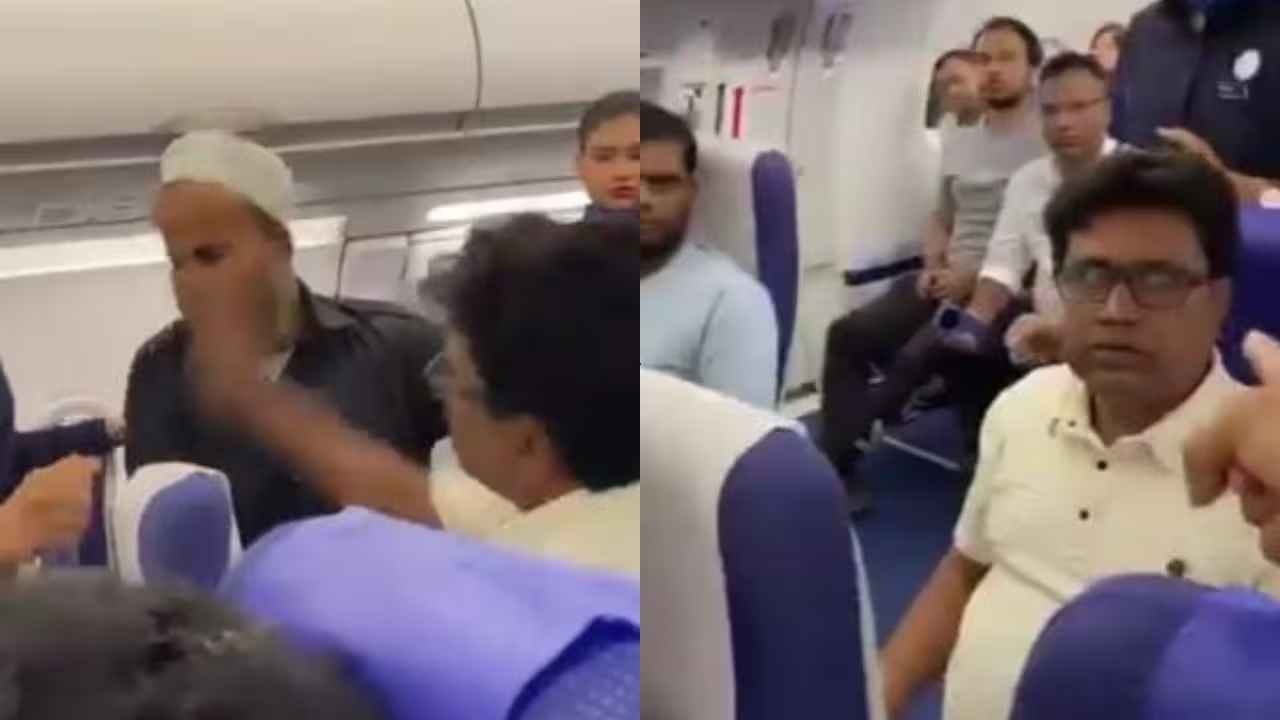
On August 2, 2025, a disturbing video from an IndiGo flight (6E-5315) traveling from Mumbai to Kolkata went viral across social media platforms. The clip shows a visibly distressed man—later identified as Hossain Ahmed, a passenger from Assam—experiencing what appeared to be a panic attack.
IndiGo Flight Slap Incident: Full Story & Aftermath
As Hossain struggled in his seat, another co-passenger—identified as Hafijul—got up and slapped him hard across the face, seemingly annoyed by his behavior. The video stunned viewers, sparking outrage and discussions about mental health sensitivity, safety on flights, and passenger conduct.
🔹 After the Slap: Panic and Disappearance
After the flight landed in Kolkata, the situation became more concerning. Hossain, the man who was slapped, reportedly went missing from the airport.
His family, waiting in Silchar (Assam), said he was unreachable, and media began reporting that he had “vanished” post-assault. This development added tension and confusion to an already sensitive situation. The question arose: Was he harmed again or traumatized so deeply that he fled?
As it turns out, Hossain, likely overwhelmed, chose not to board his connecting flight to Silchar and instead took a train journey home—traveling over 800 kilometers without informing anyone.
🔹 Found: Safe but Silent
After nearly 24 hours of no contact, authorities traced Hossain to a railway station in Assam. According to reports from CISF and local police, he was found safe but disoriented. No harm had come to him, but his silence and decision to disappear speak volumes about the psychological trauma he likely endured.
His wife made a tearful plea through media channels, saying:
“He is not mentally unwell. He was scared and confused. We want justice.”
🔹 IndiGo’s Official Response
Amid mounting pressure from the public and media, IndiGo Airlines responded promptly:
The airline banned the accused passenger, Hafijul, for 30 days, labeling him as an unruly flyer under aviation guidelines.
A spokesperson said:
“The safety and dignity of passengers are paramount. We do not tolerate any kind of unruly or aggressive behavior.”IndiGo also promised full cooperation with investigative authorities.
🔹 Was It a Case of Religious Targeting?
Some reports and social media users suggested a communal angle to the incident, as both passengers involved were Muslims. Platforms like India Herald and OpIndia highlighted how misinformation was being spread, with some blaming “Hindu aggression” and others accusing “Islamist propaganda.”
However, no evidence has confirmed that the assault was motivated by religious hatred. It appears more likely that insensitivity to mental health and lack of awareness were at the root of the incident.
🔹 Public Reactions: Sympathy and Outrage
The viral video triggered a wave of reactions across India:
Mental health advocates called for better training for airline staff and more compassionate behavior from co-passengers.
Celebrities and influencers criticized the lack of support given to Hossain during the panic attack.
Netizens widely condemned Hafijul’s actions and demanded a lifetime flying ban.
“If someone is unwell mid-air, the first reaction should be help—not violence.” — Tweet by a passenger rights activist
🔹 The Bigger Questions
This incident raises crucial questions:
Are Indian airlines equipped to handle in-flight mental health emergencies?
Do passengers understand how to respond to panic or anxiety attacks?
Should stricter punishments be in place for in-flight aggression?
The Directorate General of Civil Aviation (DGCA) is reportedly examining the case and may take further action based on the final investigation.
🔹 Final Thoughts
The mid-air slap incident involving a distressed passenger is not just about one flight—it’s a reflection of a societal problem. The lack of empathy, the failure to recognize mental distress, and the knee-jerk aggression from a fellow traveler all point toward deeper issues.
As India’s aviation sector grows, this episode should serve as a wake-up call to both airlines and passengers: Safety doesn’t just mean seatbelts and oxygen masks—it includes emotional safety and basic human decency.