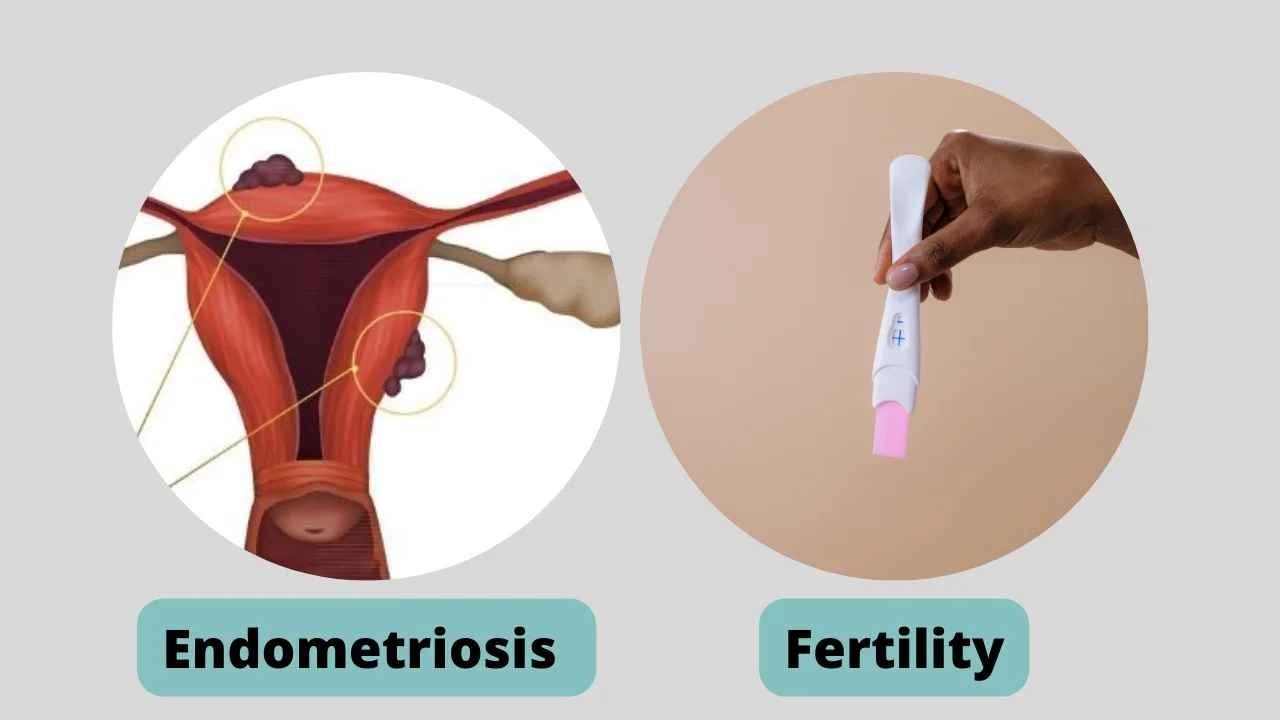
Endometriosis is a common reproductive health condition that affects millions of women worldwide. For those trying to conceive, it can pose challenges by causing inflammation, hormonal imbalances, and structural abnormalities in the reproductive system. While medical treatments like IVF and surgery are effective, many women seek natural ways to improve their fertility. In this blog, we will explore natural methods to enhance fertility while managing endometriosis.
Natural Ways to Boost Fertility with Endometriosis
1. Maintain an Anti-Inflammatory Diet
One of the major contributors to fertility issues in women with endometriosis is chronic inflammation. An anti-inflammatory diet can help reduce pain, regulate hormones, and improve overall reproductive health.
Foods to Include:
- Leafy greens (spinach, kale, arugula)
- Omega-3 rich foods (salmon, flaxseeds, walnuts)
- Berries (blueberries, strawberries, raspberries)
- Turmeric and ginger (natural anti-inflammatory agents)
- Whole grains (quinoa, brown rice, oats)
- Nuts and seeds (almonds, chia seeds, sunflower seeds)
Foods to Avoid:
- Processed foods and refined sugar
- Dairy and gluten (for some women, these may trigger inflammation)
- Red meat and trans fats
- Excess caffeine and alcohol
2. Optimize Gut Health
Gut health plays a crucial role in hormonal balance and immune function, both of which are essential for fertility.
Tips for Better Gut Health:
- Take probiotics to maintain a healthy gut microbiome.
- Eat fiber-rich foods to promote digestion.
- Avoid artificial sweeteners and processed foods that disrupt gut bacteria.
3. Balance Hormones Naturally
Endometriosis is often linked to estrogen dominance. Reducing excess estrogen can improve fertility and reduce symptoms.
Natural Ways to Balance Hormones:
- Maintain a healthy weight, as excess fat stores estrogen.
- Increase fiber intake to aid estrogen detoxification.
- Reduce exposure to xenoestrogens found in plastics and chemical-laden products.
- Manage stress, as cortisol imbalances can affect reproductive hormones.
4. Manage Stress and Improve Sleep
Chronic stress and poor sleep can disrupt the body’s natural hormone production and ovulation cycle.
Ways to Reduce Stress:
- Practice yoga and meditation.
- Engage in deep breathing exercises.
- Spend time in nature or practice mindfulness techniques.
Tips for Better Sleep:
- Maintain a regular sleep schedule.
- Avoid screen time before bed.
- Use relaxation techniques such as herbal teas (chamomile, valerian root).
5. Try Acupuncture for Fertility
Acupuncture has been shown to improve blood flow to the reproductive organs, regulate hormones, and enhance the chances of conception. Women with endometriosis have reported significant improvements in pain relief and menstrual regularity with consistent acupuncture sessions.
6. Exercise in Moderation
Excessive exercise can cause stress on the body, but moderate activity can help with endometriosis and fertility.
Best Exercises for Fertility:
- Low-impact cardio (walking, swimming, cycling)
- Yoga and Pilates to improve pelvic circulation
- Strength training to support metabolism and hormone balance
7. Herbal Remedies for Endometriosis and Fertility
Some herbs are known for their hormone-balancing and anti-inflammatory properties. Always consult a healthcare professional before using herbal remedies.
Effective Herbs for Fertility:
- Vitex (Chasteberry): Supports progesterone levels.
- Maca Root: Helps with hormone balance.
- Red Raspberry Leaf: Strengthens the uterine lining.
- Ashwagandha: Reduces stress-related hormone imbalances.
8. Consider Fertility Tracking and Timing
Understanding your ovulation cycle can increase your chances of conception. Use fertility tracking apps, basal body temperature (BBT) charting, and ovulation predictor kits (OPKs) to determine the best time to try for pregnancy.
9. Detox Your Environment
Toxins in personal care products, plastics, and cleaning supplies can interfere with hormonal balance. Switching to organic, non-toxic products can reduce exposure to endocrine-disrupting chemicals.
10. Seek Professional Guidance
While natural methods can help, it’s important to consult a fertility specialist or an integrative medicine practitioner for a personalized approach. They can guide you on the best combination of lifestyle changes, natural treatments, and medical interventions.
Final Thoughts
Endometriosis and fertility challenges can feel overwhelming, but natural lifestyle changes can support your reproductive health. By adopting an anti-inflammatory diet, balancing hormones, managing stress, and incorporating holistic therapies, you can improve your chances of conception. Every woman’s journey is unique, so take the time to find what works best for you.
If this guide was helpful, share it with others who may benefit!
Top 20 FAQs about Endometriosis and Fertility, along with detailed answers:
1. What is endometriosis and how does it affect fertility?
Endometriosis is a condition where tissue similar to the uterine lining grows outside the uterus, causing inflammation, scarring, and adhesions. It can block fallopian tubes, affect egg quality, disrupt ovulation, and create a hostile environment for implantation, reducing fertility.
2. Can I get pregnant naturally if I have endometriosis?
Yes, many women with endometriosis conceive naturally. However, the chances depend on the severity of the condition. Lifestyle changes, diet, and fertility tracking can improve the odds.
3. What are the symptoms of endometriosis-related infertility?
Common symptoms include painful periods, heavy menstrual bleeding, pain during intercourse, chronic pelvic pain, bloating, fatigue, and irregular ovulation cycles. However, some women may have no noticeable symptoms.
4. How does endometriosis cause implantation failure?
Endometriosis can alter the endometrial lining, making it less receptive to embryo implantation. Inflammation and hormonal imbalances may also interfere with embryo development.
5. What are the best natural ways to improve fertility with endometriosis?
Eating an anti-inflammatory diet
Managing stress and improving sleep
Balancing hormones naturally
Trying acupuncture and fertility yoga
Taking fertility-boosting supplements
Tracking ovulation accurately
6. Does surgery improve fertility in women with endometriosis?
Yes, laparoscopic surgery can remove endometrial lesions, scar tissue, and cysts, improving fertility in some cases. However, surgery is not always necessary, and the benefits depend on individual cases.
7. What fertility treatments are available for women with endometriosis?
Ovulation induction with medications like Clomid
Intrauterine Insemination (IUI) for mild cases
In Vitro Fertilization (IVF) for moderate to severe cases
Laparoscopic surgery to remove adhesions
8. How does diet affect fertility in women with endometriosis?
An anti-inflammatory diet rich in omega-3 fatty acids, fiber, antioxidants, and whole foods can help reduce inflammation, support hormonal balance, and improve egg quality.
9. What foods should I avoid if I have endometriosis and want to conceive?
Processed foods and refined sugar
Dairy and gluten (for some women)
Red meat and trans fats
Excess caffeine and alcohol
10. How can I naturally balance my hormones for fertility?
Maintain a healthy weight
Reduce xenoestrogen exposure (plastics, pesticides, chemicals)
Eat cruciferous vegetables (broccoli, cauliflower) for estrogen detox
Manage stress with yoga and meditation
11. Does stress impact fertility in endometriosis?
Yes, high stress can increase inflammation, disrupt hormone levels, and negatively affect ovulation. Managing stress through mindfulness, exercise, and therapy can support fertility.
12. Can acupuncture help with fertility in endometriosis?
Acupuncture improves blood flow to reproductive organs, reduces inflammation, balances hormones, and may increase the chances of natural conception or IVF success.
13. How does exercise affect fertility with endometriosis?
Moderate exercise helps reduce inflammation and improve circulation. However, excessive intense workouts can increase stress hormones, which may negatively impact fertility.
14. Are there any herbal remedies for endometriosis and fertility?
Vitex (Chasteberry): Supports progesterone balance
Maca Root: Enhances hormonal health
Red Raspberry Leaf: Strengthens the uterine lining
Turmeric: Reduces inflammation
(Always consult a doctor before using herbal treatments.)
15. Does endometriosis increase the risk of miscarriage?
Yes, studies suggest that women with endometriosis have a slightly higher risk of miscarriage due to inflammation, poor egg quality, and implantation issues. Proper treatment and prenatal care can help manage this risk.
16. How does gut health impact fertility in endometriosis?
A healthy gut microbiome supports hormone metabolism, reduces inflammation, and enhances nutrient absorption. Taking probiotics and eating fiber-rich foods can improve gut health and fertility.
17. Can detoxing help with fertility in endometriosis?
Yes, detoxing from environmental toxins, processed foods, and endocrine disruptors can improve hormone balance and support reproductive health. Using natural cleaning products, avoiding plastic containers, and eating organic produce can help.
18. Is IVF the only option for getting pregnant with endometriosis?
No, IVF is not the only option. Some women conceive naturally or with IUI, ovulation induction, or laparoscopic surgery. IVF is recommended for severe cases where other treatments have failed.
19. How long does it take to get pregnant with endometriosis?
The time to conceive varies based on the severity of the condition, age, and treatment approach. Some women conceive within a few months, while others may take a year or more.
20. Can pregnancy cure endometriosis?
Pregnancy can temporarily reduce symptoms due to hormonal changes, but it is not a permanent cure. Symptoms often return after childbirth or once menstruation resumes.