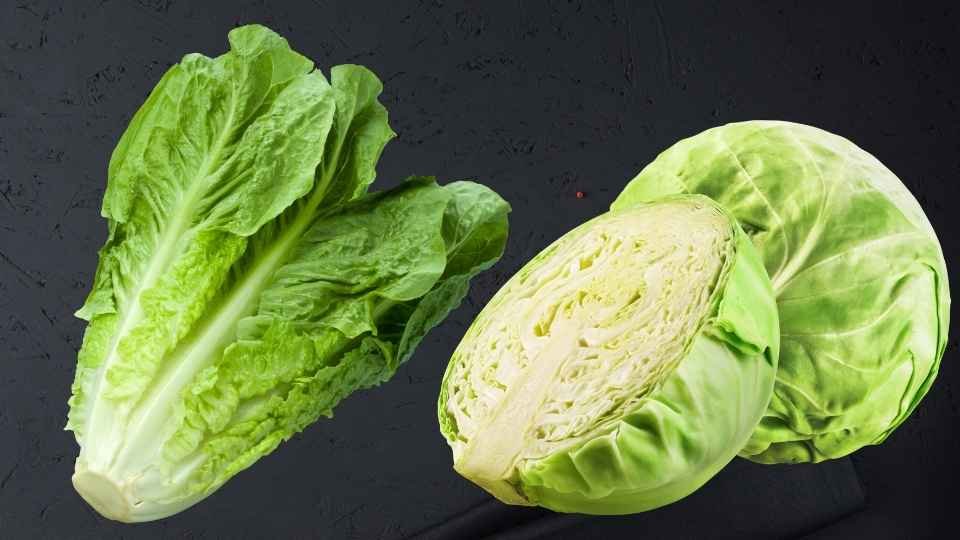
When it comes to making healthier food choices, many people find themselves comparing lettuce vs cabbage. Although they may appear similar at a glance, both vegetables have unique nutritional values, culinary uses, and health benefits. In this comprehensive guide, we will explore the key differences between lettuce and cabbage to help you decide which one is better for your specific needs.
Understanding Lettuce vs Cabbage: The Basics
To begin, it’s important to understand the basic differences between lettuce and cabbage. While both belong to the leafy vegetable family, they differ in taste, texture, and nutritional content.
Lettuce:
- Typically used in salads and sandwiches
- Softer, more delicate leaves
- Mild, slightly sweet flavor
Cabbage:
- Commonly used in cooked dishes like soups and stir-fries
- Crunchier, denser texture
- Stronger, more peppery flavor
Because of these differences, choosing between lettuce vs cabbage often depends on your intended culinary use.
Nutritional Comparison: Lettuce vs Cabbage
When comparing lettuce vs cabbage, one of the first things to consider is nutrition. Although both are healthy, there are key differences in their vitamin and mineral content.
Vitamins and Minerals
| Nutrient | Lettuce (per 100g) | Cabbage (per 100g) |
|---|---|---|
| Vitamin K | High | Very High |
| Vitamin C | Moderate | Very High |
| Vitamin A | High | Low |
| Folate | Moderate | High |
| Calcium | Low | Moderate |
Fiber Content
- Cabbage is higher in dietary fiber, which is beneficial for digestion.
- Lettuce has a lower fiber content, but it is hydrating and low in calories.
Calories
- Lettuce: ~15 calories per 100g
- Cabbage: ~25 calories per 100g
Clearly, if you’re looking for higher fiber and more vitamin C, cabbage may be the better choice. On the other hand, for hydration and lower calories, lettuce stands out.
Health Benefits: Lettuce vs Cabbage
Let’s now look at the health benefits offered by both these green powerhouses.
Health Benefits of Lettuce
- Helps in weight management due to low calories
- Supports eye health with high vitamin A
- Hydrates the body thanks to high water content
Health Benefits of Cabbage
- Boosts immunity with high vitamin C
- Aids digestion with ample fiber
- May reduce inflammation due to antioxidants
So, when you compare lettuce vs cabbage for health benefits, both offer unique advantages. The choice depends on what your body needs more at the moment.
Culinary Uses: How to Choose Between Lettuce and Cabbage
Another factor in the lettuce vs cabbage comparison is how you plan to use them in meals.
Common Uses of Lettuce
- Raw salads
- Sandwiches and wraps
- Lettuce cups for low-carb meals
Common Uses of Cabbage
- Stir-fries and sautéed dishes
- Soups and stews
- Fermented foods like sauerkraut and kimchi
Therefore, if you’re planning a raw dish, lettuce is more appropriate, whereas cabbage is ideal for cooked and fermented dishes.
Types of Lettuce and Cabbage: What Are Your Options?
When looking into lettuce vs cabbage, it’s also helpful to know the types available.
Popular Types of Lettuce
- Romaine
- Iceberg
- Butterhead
- Leaf Lettuce
Popular Types of Cabbage
- Green Cabbage
- Red Cabbage
- Savoy Cabbage
- Napa Cabbage
Choosing the right type enhances your dish and ensures you get the right texture and flavor.
Storage and Shelf Life: Lettuce vs Cabbage
Now let’s consider the practical side of lettuce vs cabbage—how they store and how long they last.
- Lettuce is more delicate and tends to wilt quickly. It’s best used within 3-5 days of purchase.
- Cabbage is hardier and can last up to 2 weeks in the refrigerator, especially if uncut.
If longevity is important, cabbage has the upper hand.
Voice Search Optimized FAQs About Lettuce vs Cabbage
Is cabbage healthier than lettuce?
Cabbage contains more vitamin C and fiber, making it healthier in some contexts. However, lettuce is lower in calories and more hydrating.
Can I substitute lettuce for cabbage in recipes?
Yes, in some raw dishes you can. But for cooked dishes, cabbage holds up better.
Which is better for weight loss, lettuce or cabbage?
Lettuce is better for ultra-low calorie diets, but cabbage provides fiber and fullness.
Does cabbage taste like lettuce?
No. Cabbage has a stronger, more peppery taste, while lettuce is mild and sweet.
Final Thoughts: Lettuce vs Cabbage — Which Should You Choose?
In conclusion, the lettuce vs cabbage debate doesn’t have a one-size-fits-all answer. It all depends on your dietary goals, taste preferences, and meal plans. While lettuce is light, hydrating, and perfect for raw dishes, cabbage is hearty, nutrient-dense, and ideal for cooking.
👉 Choose lettuce for hydration and low calories. 👉 Choose cabbage for fiber and immune-boosting vitamins.
By understanding these differences, you can make smarter, healthier choices in your kitchen every day.
Explore more health comparisons and food tips at JustBaazaar.com — your trusted source for wellness and nutrition.
Contact Guruji Sunil Chaudhary, Top Digital Marketing Expert and Founder of JustBaazaar for Digital Marketing Consultancy and Services.
Frequently Asked Questions (FAQs) about Lettuce vs Cabbage
🥬 1. What is the main difference between lettuce and cabbage?
The main difference lies in texture and use. Lettuce has soft, leafy textures ideal for salads, while cabbage is denser and better suited for cooked dishes.
🥬 2. Is lettuce or cabbage healthier?
Both are healthy, but cabbage offers more vitamin C, fiber, and antioxidants, while lettuce is lower in calories and provides hydration.
🥬 3. Can I use lettuce instead of cabbage in recipes?
You can use lettuce as a substitute in raw dishes, but for cooking, cabbage is preferred due to its firm texture and ability to withstand heat.
🥬 4. Which has more fiber, lettuce or cabbage?
Cabbage contains significantly more dietary fiber, making it better for digestion and gut health.
🥬 5. Which is better for weight loss: lettuce or cabbage?
Lettuce has fewer calories, making it ideal for calorie-deficit diets, but cabbage offers better satiety due to its fiber.
🥬 6. Does lettuce taste the same as cabbage?
No. Lettuce has a mild, sweet taste, whereas cabbage tends to have a sharper, earthy, and sometimes peppery flavor.
🥬 7. Are lettuce and cabbage from the same family?
No. Lettuce belongs to the Asteraceae family, while cabbage is part of the Brassicaceae (cruciferous) family.
🥬 8. Can you eat cabbage raw like lettuce?
Yes, cabbage can be eaten raw, often used in coleslaw or salads, but it has a tougher texture than lettuce.
🥬 9. Which has more vitamins: lettuce or cabbage?
Cabbage is richer in vitamin C and vitamin K, while lettuce has more vitamin A depending on the variety (e.g., romaine).
🥬 10. Is it safe to eat raw cabbage every day?
Yes, but in moderation. Raw cabbage contains goitrogens, which in excess, may affect thyroid function in sensitive individuals.
🥬 11. Which is better for juicing: lettuce or cabbage?
Both can be juiced, but lettuce juice is milder and more hydrating. Cabbage juice is potent and used for gut healing.
🥬 12. Does cabbage or lettuce last longer in the fridge?
Cabbage has a longer shelf life—up to 2 weeks if uncut. Lettuce tends to wilt within 3–5 days.
🥬 13. Are lettuce and cabbage equally hydrating?
Lettuce is more hydrating due to its higher water content (over 90%), making it ideal for warm-weather diets.
🥬 14. Can you ferment lettuce like cabbage?
Cabbage ferments well (e.g., in sauerkraut), but lettuce does not ferment effectively due to its high water content and delicate structure.
🥬 15. Which is better in soups: cabbage or lettuce?
Cabbage holds its texture and flavor in soups, while lettuce becomes limp and loses its nutritional value when cooked too long.
🥬 16. Do cabbage and lettuce have the same calories?
No. Lettuce has fewer calories (~15 per 100g), while cabbage contains around 25 calories per 100g due to denser nutrients.
🥬 17. Which is easier to digest, cabbage or lettuce?
Lettuce is generally easier to digest, especially raw. Cabbage may cause gas or bloating in some individuals.
🥬 18. Are there different types of cabbage and lettuce?
Yes!
Types of Lettuce: Romaine, Iceberg, Butterhead, Leaf
Types of Cabbage: Green, Red, Savoy, Napa
🥬 19. Is cabbage good for skin like lettuce?
Yes, in fact, cabbage is packed with vitamin C, which promotes collagen production and helps maintain healthy skin.
🥬 20. Which has more antioxidants: lettuce or cabbage?
Cabbage, especially red cabbage, is richer in antioxidants, helping to fight inflammation and oxidative stress.
🥬 21. Are both lettuce and cabbage keto-friendly?
Yes. Both are low in carbs and can be part of a ketogenic or low-carb diet.
🥬 22. Can you use both lettuce and cabbage in one dish?
Absolutely! Mixing them gives you the best of both—crunch from cabbage and freshness from lettuce.
🥬 23. Which one is cheaper: lettuce or cabbage?
Cabbage is usually cheaper and offers more bulk per unit cost compared to lettuce.
🥬 24. Is cabbage better for cooked Indian dishes than lettuce?
Yes. Cabbage is widely used in Indian cuisine, such as sabzis and stir-fries, whereas lettuce is rarely used in traditional cooking.
🥬 25. Which should I choose: lettuce or cabbage?
It depends on your goal. Choose lettuce for light, hydrating meals, and cabbage for hearty, nutritious, cooked dishes.
Would you like these FAQs to be formatted into a collapsible section for your website or blog, Guruji? I can also provide visuals or infographics if needed.
Contact Guruji Sunil Chaudhary, Top Digital Marketing Expert and Founder of JustBaazaar for Digital Marketing Consultancy and Services. 🚀
🥬 How Common is Lettuce in India?
Lettuce is gradually gaining popularity in India, especially in urban areas, metropolitan cities, and among the health-conscious and fitness-focused population. However, it is still not as common or traditional as other leafy greens like palak (spinach), methi (fenugreek), or sarson (mustard leaves) in Indian households.
✳️ Factors Influencing Its Usage in India:
- Urban influence and globalization have led to increased consumption of international cuisines such as salads, sandwiches, and wraps, which commonly include lettuce.
- Hotels, cafés, fast food outlets, and restaurants serving continental, American, and Mediterranean food use lettuce extensively.
- Middle and upper-class homes in cities like Delhi, Mumbai, Bengaluru, Pune, and Hyderabad are seeing rising use of lettuce in home meals, especially iceberg and romaine varieties.
- Despite its increasing popularity, lettuce is not a staple in rural or traditional Indian diets.
🌍 Which Country Uses Lettuce the Most?
The United States of America (USA) is the largest consumer and producer of lettuce in the world. Lettuce is an integral part of the American diet and is widely used in:
- Salads
- Burgers
- Sandwiches
- Wraps
- Tacos and more
According to global agricultural data:
- The USA grows massive amounts of iceberg and romaine lettuce, especially in states like California and Arizona.
- Other top lettuce-consuming countries include China, Italy, Spain, France, and Germany.
These countries also lead in lettuce cultivation and export, especially for large-scale retail and restaurant consumption.
🗣️ What is Lettuce Called in Hindi and North India?
In Hindi and most North Indian languages, Lettuce is commonly referred to as “सलाद पत्ता” (Salad Patta).
🔸 Other Regional References:
- Salad Patta is the most recognizable name in local markets.
- Some also refer to it as a foreign leafy vegetable, as it does not have deep roots in Indian agriculture.
- In high-end grocery stores and online platforms, it is still labeled by its English name — lettuce (Iceberg, Romaine, etc.).
📝 Note: Since India has a rich culture of green leafy vegetables, many people confuse lettuce with cabbage or leafy mustard. Educating the public about the difference is essential when introducing lettuce-based dishes.
🥗 Conclusion
While lettuce is not yet a mainstream ingredient in Indian kitchens, its presence is steadily rising in urban areas due to the growth of international cuisine, wellness trends, and global exposure. Though India is not a top lettuce-consuming country, it is showing promising signs of adoption, especially among the youth and health-conscious demographics.
In short:
✅ Lettuce is called Salad Patta in Hindi.
✅ It is most used in the USA.
✅ In India, it’s common in urban areas but not a traditional staple.
🥬 Comparison Table: Indian Leafy Greens vs Foreign Leafy Greens
| Aspect | Indian Leafy Greens 🌿 | Foreign Leafy Greens (Lettuce etc.) 🥗 |
|---|---|---|
| Common Names | पालक (Spinach), मेथी (Fenugreek), सरसों (Mustard), चोलाई (Amaranth) | Iceberg Lettuce, Romaine, Butterhead, Arugula |
| Usage | Traditional Indian cooking: Saag, Sabzi, Dal | Salads, Wraps, Sandwiches, Continental dishes |
| Taste Profile | Strong, earthy, sometimes slightly bitter | Mild, sweet, refreshing |
| Cooking Style | Mostly cooked, sautéed, or pureed | Mostly eaten raw |
| Availability | Widely available across India, in every market | Mostly in urban supermarkets and online platforms |
| Hydration Level | Moderate | Very High (especially Iceberg Lettuce) |
| Nutrient Focus | Rich in Iron, Calcium, Vitamin A, C | Rich in Vitamin A, C, K and Hydration |
| Shelf Life | Short to moderate | Very short (lettuce) to moderate (romaine) |
| Cultural Importance | Deeply rooted in Indian cuisine and Ayurveda | More aligned with Western culinary traditions |
| Cost | Very economical and seasonal | Comparatively expensive, especially imported types |