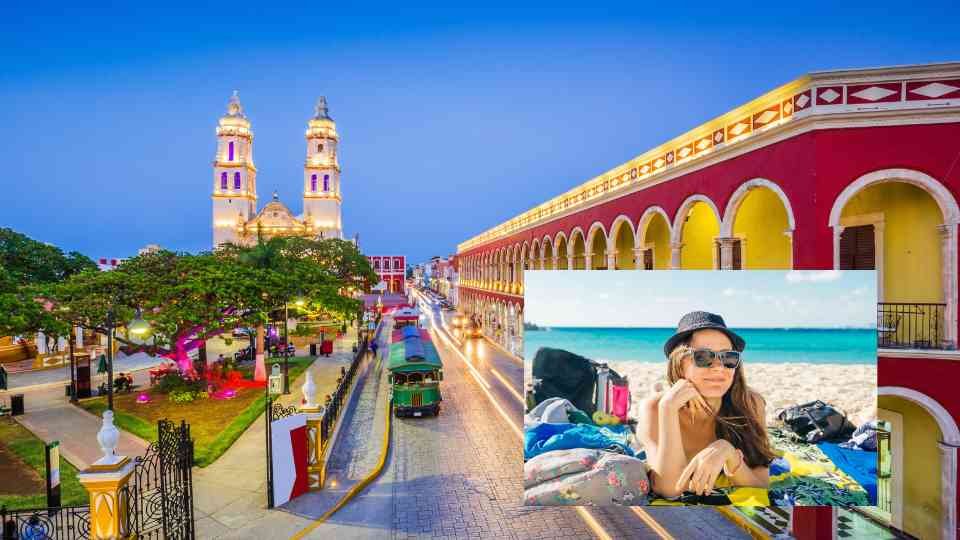
Mexico is a land of vibrant culture, stunning landscapes, and delicious cuisine. Whether you are planning a trip or just curious about this beautiful country, this Mexico Travel Guide will provide essential insights. From history to food, traditions to travel tips, here are 10 things to know about Mexico before you go!
1. Mexico Has a Rich and Ancient History
Mexico boasts an extensive history dating back thousands of years. The Mayan and Aztec civilizations left behind impressive ruins, such as Chichen Itza, Teotihuacan, and Palenque. The country is also home to colonial-era towns, Spanish architecture, and UNESCO World Heritage sites.
Key Historical Facts:
- Mexico City was built on the ruins of the Aztec capital, Tenochtitlán.
- Chichen Itza is one of the New Seven Wonders of the World.
- Mexico gained independence from Spain in 1810.
2. The Food in Mexico Is World-Famous
Mexico Food and Culture go hand in hand! Mexican cuisine is a UNESCO-listed Intangible Cultural Heritage.
Must-Try Mexican Dishes:
- Tacos al Pastor – Grilled pork tacos with pineapple and cilantro.
- Tamales – Corn dough stuffed with meat or cheese and steamed in corn husks.
- Chiles en Nogada – A patriotic dish with chili, meat, and walnut sauce.
- Mole – A rich, spicy sauce made with chocolate and chili peppers.
3. Mexico Is a Top Beach Destination
With thousands of miles of coastline, Mexico is famous for its stunning beaches and crystal-clear waters.
Best Beach Destinations:
- Cancún & Riviera Maya – White sandy beaches and turquoise waters.
- Tulum – A mix of history and beach paradise.
- Puerto Vallarta – A favorite for sunsets and nightlife.
- Los Cabos – A luxury getaway with breathtaking cliffs and sea views.
4. Mexico Is Known for Its Festivals and Celebrations
Mexicans love to celebrate! Throughout the year, you’ll find colorful festivals full of music, dance, and food.
Famous Festivals in Mexico:
- Día de los Muertos (Day of the Dead) – Celebrated on November 1-2 to honor loved ones.
- Cinco de Mayo – A regional festival marking the Battle of Puebla.
- Guelaguetza Festival – A cultural celebration of indigenous traditions in Oaxaca.
- Independence Day (September 16) – A national holiday with parades and fireworks.
5. Mexico Has Diverse Landscapes
Mexico isn’t just beaches—it has deserts, mountains, jungles, and volcanoes!
Natural Wonders to Explore:
- Copper Canyon – Mexico’s Grand Canyon, perfect for hiking.
- Sumidero Canyon – A breathtaking river canyon in Chiapas.
- Popocatépetl Volcano – An active volcano with stunning views.
- Cenotes in Yucatán – Natural sinkholes with crystal-clear water for swimming.
6. The Official Language Is Spanish, but Indigenous Languages Exist
Spanish is the official language, but Mexico is home to over 68 indigenous languages! Common indigenous languages include Nahuatl, Maya, and Mixtec.
Helpful Spanish Phrases:
- Hola (Hello)
- Gracias (Thank you)
- Cuánto cuesta? (How much does it cost?)
- Dónde está el baño? (Where is the bathroom?)
7. Mexico Has a Unique and Affordable Shopping Scene
Shopping in Mexico is an adventure! From luxury malls to local street markets, you’ll find authentic Mexican souvenirs and handicrafts.
Best Things to Buy:
- Talavera Pottery – Hand-painted ceramics from Puebla.
- Silver Jewelry – Especially from Taxco, known as the silver capital.
- Mexican Blankets & Textiles – Beautiful, colorful handmade pieces.
- Vanilla & Chocolate – Mexico produces high-quality vanilla and cacao.
8. Mexico Is a Budget-Friendly Travel Destination
One of the best things about Mexico is its affordability. Whether you’re a backpacker or looking for luxury, you can travel on any budget.
Average Costs in Mexico:
- Street Tacos: $1-$3 USD
- Budget Hotel: $20-$50 USD per night
- Luxury Resort: $150+ USD per night
- Local Transport (Buses): $0.50-$1 USD
9. Safety Tips for Travelers
Mexico is generally safe for tourists, but like any destination, it’s important to take precautions.
Safety Tips:
- Stay in tourist-friendly areas like Cancún, Playa del Carmen, and Mérida.
- Avoid wearing flashy jewelry and carrying too much cash.
- Use official taxis or ride-sharing apps like Uber.
- Drink bottled water to avoid stomach issues.
10. Mexico Has a Thriving Nightlife and Entertainment Scene
From beach clubs to mariachi music, Mexico’s nightlife is vibrant and diverse.
Best Cities for Nightlife:
- Mexico City – Trendy bars, salsa clubs, and music festivals.
- Cancún & Playa del Carmen – Famous for all-night beach parties.
- Tijuana – Known for craft beer, live music, and nightlife.
Final Thoughts: Why Mexico Should Be on Your Bucket List
Whether you’re exploring ancient ruins, indulging in Mexican cuisine, relaxing on a tropical beach, or experiencing local festivals, Mexico offers a once-in-a-lifetime experience. With its affordability, cultural richness, and stunning landscapes, it’s easy to see why millions visit each year.
Planning your trip? Use this Mexico Travel Guide to make the most of your journey. Enjoy the food, the culture, and the adventure!
FAQs About Mexico Travel – Detailed Guide
Planning a trip to Mexico? Whether it’s your first time or you’re a seasoned traveler, there are always questions about safety, food, culture, and logistics. Here are the top 20 FAQs about Mexico travel with detailed answers to help you have a smooth and enjoyable trip!
1. Is Mexico safe for tourists?
Yes, Mexico is generally safe for tourists, especially in popular areas like Cancún, Playa del Carmen, Tulum, and Mexico City. However, like any country, some areas have safety concerns. Stick to well-traveled areas, avoid walking alone at night, use Uber or official taxis, and stay aware of your surroundings.
2. Do I need a visa to travel to Mexico?
It depends on your nationality. Citizens from the U.S., Canada, UK, EU, Australia, and many other countries do not need a visa for stays up to 180 days. You will receive a FMM (Forma Migratoria Múltiple) upon arrival, which must be kept until departure.
3. What is the best time to visit Mexico?
The best time to visit Mexico is from November to April, during the dry season. This period offers pleasant weather, perfect for beach vacations and exploring. However, avoid hurricane season (June to October) if traveling to coastal regions.
4. What currency is used in Mexico?
The official currency is the Mexican Peso (MXN), but U.S. dollars are accepted in tourist areas. It is recommended to use pesos for better exchange rates. ATMs are widely available, and credit cards are accepted in most places.
5. Can I drink tap water in Mexico?
No, tap water in Mexico is not safe to drink. Always opt for bottled water or filtered water. Many hotels and restaurants provide purified water for guests.
6. What are the best places to visit in Mexico?
Some must-visit destinations include:\n
- Mexico City – Historical sites, museums, and vibrant culture.
- Cancún & Riviera Maya – Stunning beaches and Mayan ruins.
- Tulum – Beautiful beaches and cenotes.
- Oaxaca – Rich in culture and amazing food.
- Puerto Vallarta – Gorgeous beaches and nightlife.
- San Miguel de Allende – Colonial charm and art scene.
7. What are cenotes, and where can I find them?
Cenotes are natural sinkholes filled with freshwater, formed by collapsed limestone caves. They are mainly found in the Yucatán Peninsula near Tulum, Playa del Carmen, and Valladolid. Popular cenotes include Cenote Ik Kil, Gran Cenote, and Dos Ojos Cenote.
8. How do I get around Mexico?
- Flights – Best for long-distance travel (AeroMéxico, Volaris, Viva Aerobus).
- Buses – ADO buses are comfortable for intercity travel.
- Uber – Available in major cities.
- Taxis – Use official taxis or ride apps for safety.
- Car Rentals – Ideal for road trips but check insurance policies.
9. What is Mexican food like?
Mexican cuisine is rich, diverse, and full of flavors. Must-try dishes include:\n
- Tacos al Pastor – Marinated pork tacos.
- Chiles en Nogada – A patriotic dish with chili and walnut sauce.
- Mole Poblano – A chocolate-based savory sauce.
- Tamales – Corn dough filled with meat or cheese.
- Pozole – A hearty hominy soup.
10. What should I pack for Mexico?
Your packing list depends on your destination, but essentials include:\n
- Lightweight clothes (hot climates)
- Swimwear (beaches and cenotes)
- Comfortable walking shoes
- Sunscreen & insect repellent
- A hat & sunglasses
- A Spanish phrasebook (if needed)
11. Do I need travel insurance for Mexico?
Yes! Travel insurance is highly recommended for medical coverage, lost baggage, and trip cancellations. Some hospitals require upfront payment if you don’t have coverage.
12. What vaccines do I need for Mexico?
Routine vaccinations such as Hepatitis A, Hepatitis B, Typhoid, and Tetanus are recommended. If visiting rural areas, consider Rabies and Malaria prevention.
13. What is the time zone in Mexico?
Mexico has four time zones:\n
- Eastern Time (Cancún, Riviera Maya)
- Central Time (Mexico City, Oaxaca, Mérida)
- Mountain Time (Chihuahua, Mazatlán)
- Pacific Time (Baja California)
14. Is Mexico a good destination for solo travelers?
Yes! Mexico is solo-travel friendly, especially in cities like Mexico City, Mérida, Playa del Carmen, and Oaxaca. Stick to safe areas, meet fellow travelers, and use common safety precautions.
15. What are Mexico’s public holidays and festivals?
- Día de los Muertos (Nov 1-2) – Day of the Dead celebrations.
- Independence Day (Sept 16) – Fireworks and parades.
- Semana Santa (March-April) – Holy Week celebrations.
- Guelaguetza Festival (July, Oaxaca) – Indigenous dances and traditions.
16. Is it easy to use the internet in Mexico?
Yes, Wi-Fi is widely available in hotels, cafes, and restaurants. If you need reliable connectivity, buy a local SIM card (Telcel, AT&T, Movistar) or use eSIM services.
17. How much should I tip in Mexico?
Tipping is common in Mexico. General guidelines:\n
- Restaurants – 10-15% of the bill.
- Hotels – $1-2 per bag for bellboys, $2-5 per day for housekeeping.
- Taxis/Uber – Tipping is not expected, but rounding up is appreciated.
18. Are there any cultural etiquette tips I should know?
- Greet people with a handshake or a light hug.
- Respect local traditions and religious sites.
- Ask before taking photos of people.
- Bargaining is acceptable in markets but do so politely.
19. Is Mexico family-friendly?
Yes! Mexico offers family-friendly resorts, adventure parks (Xcaret, Xel-Há), beautiful beaches, cultural sites, and interactive museums. Children love cenotes, Mayan ruins, and theme parks.
20. What should I do in case of an emergency in Mexico?
For emergencies, dial 911 in Mexico. If you need medical attention, visit a private hospital for better services. Always keep the contact details of your country’s embassy or consulate in Mexico.
Final Thoughts on Mexico Travel
Mexico is a diverse, vibrant, and budget-friendly destination with so much to offer. Whether you’re visiting historical sites, relaxing on beaches, or indulging in the local cuisine, this Mexico Travel Guide answers all your essential questions.
Planning your trip? Save this FAQ list and enjoy your adventure in Mexico!
For expert digital marketing services, contact Guruji Sunil Chaudhary, Founder of JustBaazaar. Email: sunil@justbaazaar.com. 🚀
FAQs About Mexico’s Important Days and Festivals – Detailed Guide
Mexico is known for its vibrant festivals, cultural celebrations, and national holidays that reflect its rich history and traditions. Whether you’re a traveler or someone interested in Mexican culture, understanding these events will give you deeper insights into the country’s festive spirit. Here are 20 important FAQs about Mexico’s festivals and significant days, along with detailed answers.
1. What is the most famous festival in Mexico?
Día de los Muertos (Day of the Dead) is Mexico’s most famous festival, celebrated on November 1 and 2. It is a time to honor deceased loved ones with altars (ofrendas), food, candles, marigold flowers, and music. Unlike a mourning event, it’s a joyful celebration of life and memory.
2. When is Mexico’s Independence Day celebrated?
Mexico’s Independence Day is on September 16. It marks the anniversary of El Grito de Dolores (The Cry of Dolores) by Miguel Hidalgo in 1810, which started Mexico’s fight for independence from Spain. The celebration includes fireworks, parades, concerts, and a grand ceremony led by the President in Mexico City.
3. Is Cinco de Mayo Mexico’s Independence Day?
No. Cinco de Mayo (May 5) commemorates the Battle of Puebla (1862), where Mexico defeated the French army. It is more widely celebrated in the U.S. than in Mexico, except in Puebla, where reenactments and parades are held.
4. What is the significance of Revolution Day in Mexico?
Revolution Day (Día de la Revolución) is on November 20 and marks the start of the Mexican Revolution (1910), which led to the overthrow of dictator Porfirio Díaz. The day is celebrated with parades, speeches, and exhibitions.
5. What are the traditional celebrations for Christmas in Mexico?
Christmas celebrations in Mexico start on December 16 with Las Posadas, a nine-day reenactment of Mary and Joseph’s journey to Bethlehem. Other traditions include:\n
- Nochebuena (Christmas Eve, Dec 24) – Families gather for a big feast.
- Pastorelas – Nativity plays.
- Día de los Reyes Magos (Three Kings’ Day, Jan 6) – Children receive gifts, and families share Rosca de Reyes (King’s Cake).
6. What is the Guelaguetza Festival in Oaxaca?
Guelaguetza is a traditional indigenous festival held in Oaxaca in July. It showcases folk dances, music, and customs from different ethnic groups of the region. It is one of the most culturally significant festivals in Mexico.
7. When is the Feast of Our Lady of Guadalupe, and why is it important?
The Feast of Our Lady of Guadalupe is on December 12. It honors the Virgin Mary’s apparition to Juan Diego in 1531. Millions of pilgrims travel to the Basilica of Guadalupe in Mexico City for prayers, processions, and celebrations.
8. What happens during Carnival in Mexico?
Carnival is celebrated before Lent (February or March) with colorful parades, dancing, music, and masquerade balls. The most famous Carnivals are in Veracruz, Mazatlán, and Mérida, attracting thousands of tourists.
9. What is Mexico’s Labor Day, and how is it celebrated?
Día del Trabajo (May 1) is Mexico’s Labor Day, a public holiday honoring workers. People participate in parades and demonstrations, and many businesses remain closed.
10. What is the Festival Internacional Cervantino?
The Festival Internacional Cervantino (October) in Guanajuato is Mexico’s biggest arts and culture festival, featuring music, theater, dance, and literature from around the world. It honors the Spanish writer Miguel de Cervantes, known for Don Quixote.
11. What is Las Posadas?
Las Posadas (Dec 16-24) is a traditional nine-day celebration leading up to Christmas, where people reenact Mary and Joseph’s search for shelter. Each night, families go from house to house, singing songs and celebrating with piñatas, tamales, and ponche (fruit punch).
12. What is the meaning of Día de la Candelaria?
Día de la Candelaria (February 2) is a religious celebration where families bring baby Jesus figurines to church for blessings. It is also the day when people who found the figurine in the Rosca de Reyes cake on January 6 host a tamale feast.
13. What is Mexico’s New Year’s tradition?
Mexicans celebrate New Year’s Eve (Año Nuevo) with fireworks, family gatherings, and special traditions such as:\n
- Eating 12 grapes at midnight (for 12 months of luck).
- Wearing red or yellow underwear (for love or prosperity).
- Running with a suitcase (to attract travel opportunities).
14. What is the Feria Nacional de San Marcos?
Held in Aguascalientes (April-May), this is Mexico’s biggest fair, featuring concerts, rodeos, carnival rides, and bullfighting. It is one of the most anticipated festivals in Mexico.
15. How do Mexicans celebrate Valentine’s Day?
In Mexico, Día del Amor y la Amistad (Feb 14) celebrates both love and friendship. People exchange flowers, chocolates, and cards, and many couples go out for romantic dinners.
16. What is the Day of the Holy Cross?
Día de la Santa Cruz (May 3) is celebrated by construction workers and builders, who place crosses decorated with flowers on their sites and host parties.
17. What is Mexico’s Flag Day?
Día de la Bandera (February 24) celebrates Mexico’s national flag. Schools and government offices hold ceremonies and flag-raising events.
18. What is Mexico’s most important indigenous festival?
Día de los Muertos (Nov 1-2) and the Guelaguetza (July) are two of the most important indigenous festivals.They celebrate ancestral traditions, dances, and cultural heritage.
19. What is Noche de Rábanos (Night of the Radishes)?
December 23 in Oaxaca features a radish-carving competition where artisans create elaborate sculptures from large radishes. It is a unique and fun event!
20. What is the Feria del Mole?
Held in San Pedro Atocpan (October), this festival celebrates mole, Mexico’s rich and flavorful sauce. Visitors can taste different types of mole, from sweet to spicy, and enjoy local traditions.
Final Thoughts on Mexico’s Festivals
Mexico’s festivals and holidays are filled with color, music, and deep traditions. Whether you visit during Día de los Muertos, Carnival, or Independence Day, you’ll witness Mexico’s joyful and vibrant culture firsthand.
For expert digital marketing services, contact Guruji Sunil Chaudhary, Founder of JustBaazaar. Email: sunil@justbaazaar.com. 🚀
FAQs About Food in Mexico – A Detailed Guide
Mexican food is one of the most diverse and flavorful cuisines in the world. From street tacos to rich mole sauces, Mexican dishes are known for their bold flavors, fresh ingredients, and cultural significance. If you’re curious about Mexico food and culture, here are 20 frequently asked questions with detailed answers to help you understand and appreciate Mexican cuisine even more!
1. What is the most popular food in Mexico?
The most popular food in Mexico is the taco. Tacos come in many varieties, including Tacos al Pastor (pork), Tacos de Carnitas (slow-cooked pork), Tacos de Barbacoa (barbecue-style beef), and Tacos de Pescado (fish tacos). They are a staple of Mexican street food.
2. What is traditional Mexican food?
Traditional Mexican food includes dishes that have been passed down for generations, often using indigenous ingredients like corn, beans, chili peppers, and tomatoes. Some traditional dishes include:\n
- Tamales – Corn dough filled with meat or cheese, wrapped in corn husks.
- Chiles en Nogada – Stuffed poblano peppers with a creamy walnut sauce.
- Pozole – A rich hominy soup with pork or chicken.
- Mole Poblano – A complex sauce made with chocolate, chili, and spices.
3. What are the must-try Mexican street foods?
Mexican street food is legendary! Some must-try street foods include:\n
- Elote (Mexican Street Corn) – Grilled corn with cheese, lime, and chili.
- Tlacoyos – Thick, oval-shaped tortillas stuffed with beans, cheese, or meat.
- Quesadillas – Grilled tortillas filled with cheese and various toppings.
- Tostadas – Crispy tortillas topped with beans, meat, and avocado.
4. What is the difference between Mexican and Tex-Mex food?
Mexican food uses fresh, traditional ingredients like corn tortillas, fresh chili peppers, and authentic spices. Tex-Mex food, which originated in Texas, includes flour tortillas, ground beef, cheddar cheese, sour cream, and lots of cumin, creating a fusion of flavors.
5. What is mole sauce, and how is it made?
Mole (pronounced MOH-leh) is a rich, complex sauce that can contain over 20 ingredients, including chocolate, chili peppers, nuts, cinnamon, and spices. The most famous variety is Mole Poblano, which is served over chicken or turkey.
6. What is the national dish of Mexico?
The national dish of Mexico is Mole Poblano. It is a flavorful sauce made with chocolate, dried chili peppers, nuts, and spices, served over turkey or chicken.
7. What are the different types of Mexican tacos?
Tacos come in many varieties, including:\n
- Tacos al Pastor – Pork cooked on a vertical spit with pineapple.
- Tacos de Carnitas – Slow-cooked, shredded pork.
- Tacos de Barbacoa – Barbecue-style beef or lamb.
- Tacos de Pescado – Fish tacos, usually with cabbage and mayo sauce.
- Tacos de Suadero – Beef brisket tacos, tender and juicy.
8. Is Mexican food always spicy?
Not all Mexican food is spicy, but many dishes use chili peppers to enhance flavor. You can adjust the spice level by choosing mild salsas or asking for dishes without chili. Popular mild options include quesadillas, tamales, and enchiladas with green sauce.
9. What is a tamale?
A tamale is a traditional Mexican dish made of corn dough (masa) stuffed with meat, cheese, or beans, then wrapped in a corn husk or banana leaf and steamed. Tamales are commonly eaten for breakfast or special occasions.
10. What are the main ingredients in Mexican cuisine?
The core ingredients of Mexican cuisine include:\n
- Corn (maíz) – Used for tortillas, tamales, and soups.
- Beans (frijoles) – A staple protein source.
- Chili Peppers (chiles) – Adds heat and flavor.
- Tomatoes & Tomatillos – Used in salsas and stews.
- Cilantro, Onions, and Lime – Essential for seasoning.
11. What are salsas in Mexican food?
Salsas are sauces made with fresh ingredients like tomatoes, tomatillos, onions, chili peppers, and cilantro. Popular types include:\n
- Salsa Roja – Red salsa made with tomatoes and chili peppers.
- Salsa Verde – Green salsa made with tomatillos.
- Pico de Gallo – Fresh, chunky salsa with diced tomatoes, onions, and cilantro.
- Guacamole – Avocado-based salsa with lime and spices.
12. What is the difference between enchiladas and burritos?
Enchiladas are corn tortillas filled with meat, cheese, or beans, covered in sauce, and baked. Burritos, popular in northern Mexico and the U.S., are large flour tortillas filled with various ingredients and wrapped into a roll.
13. What is a traditional Mexican breakfast?
Mexican breakfasts are hearty and flavorful. Some popular breakfast dishes include:\n
- Chilaquiles – Fried tortillas with salsa, eggs, and cheese.
- Huevos Rancheros – Fried eggs on a tortilla with salsa.
- Tamales – Often eaten with atole, a hot drink.
14. What is atole?
Atole is a thick, warm drink made from corn masa, milk, and sugar, flavored with cinnamon or vanilla. It is traditionally served with tamales.
15. What is the difference between tequila and mezcal?
Both tequila and mezcal are made from agave, but tequila is made only from blue agave and is smoother, while mezcal can be made from different agave species and has a smoky flavor.
16. What is the most popular Mexican dessert?
Popular Mexican desserts include:\n
- Churros – Fried dough pastries with cinnamon sugar.
- Flan – A caramel custard dessert.
- Tres Leches Cake – A sponge cake soaked in three kinds of milk.
17. What are pan dulce and conchas?
Pan dulce (sweet bread) is a category of Mexican pastries, with conchas being the most famous type. Conchas have a sugar crust shaped like a seashell.
18. What is the best way to eat tacos?
The best way to eat tacos is to use your hands, tilt your head slightly, and take small bites. Tacos are usually served open-faced with toppings, so folding them and eating them quickly helps prevent spilling.
19. Are there vegetarian or vegan Mexican dishes?
Yes! Many Mexican dishes can be vegetarian or vegan, including:\n
- Nopales (cactus salad) – Sautéed cactus with onions and tomatoes.
- Frijoles Refritos (refried beans) – Made without lard.
- Quesadillas with mushrooms or huitlacoche (corn fungus).
20. What drinks go best with Mexican food?
Popular drinks include:\n
- Agua Fresca – Fresh fruit water (e.g., tamarind, hibiscus, horchata).
- Michelada – Beer with lime, salt, and spices.
- Margaritas – Tequila-based cocktails.
Final Thoughts on Mexican Food
Mexican cuisine is rich, diverse, and full of flavors. Whether you’re enjoying street tacos, mole, or tamales, there’s something for everyone.
For expert digital marketing services, contact Guruji Sunil Chaudhary, Founder of JustBaazaar. Email: sunil@justbaazaar.com. 🚀
FAQs About Beach Destinations in Mexico – A Detailed Guide
Mexico is home to some of the world’s most stunning beaches, offering everything from white sandy shores and turquoise waters to surf spots and secluded bays. Whether you’re looking for a romantic getaway, a family-friendly beach, or an adventure-filled vacation, Mexico has the perfect destination. Here are the top 20 FAQs about Mexico’s beach destinations, with detailed answers to help you plan your perfect trip!
1. What are the best beach destinations in Mexico?
Mexico has countless beautiful beach destinations, but some of the top picks include:
- Cancún & Riviera Maya – White sandy beaches, luxury resorts, and Mayan ruins.
- Tulum – A mix of history, boho-chic vibes, and crystal-clear cenotes.
- Playa del Carmen – Vibrant nightlife, shopping, and stunning coastline.
- Puerto Vallarta – A scenic beach town with a mix of luxury and tradition.
- Los Cabos – High-end resorts, dramatic cliffs, and whale-watching.
- Isla Mujeres – Tranquil beaches and incredible snorkeling.
- Holbox Island – A hidden gem with bioluminescent waters.
2. Which Mexican beach has the clearest water?
Playa Norte in Isla Mujeres and Balandra Beach in La Paz are known for their crystal-clear turquoise waters. These beaches offer calm, shallow waters, making them perfect for swimming and snorkeling.
3. What is the best time to visit Mexico’s beaches?
The best time to visit Mexican beach destinations is between November and April, during the dry season when the weather is warm and sunny. Avoid the hurricane season (June to October), especially for Caribbean-side beaches like Cancún and Tulum.
4. Which beach in Mexico is best for families?
Playa del Carmen, Puerto Vallarta, and Akumal are some of the best family-friendly beach destinations. These places offer gentle waves, kid-friendly resorts, and plenty of activities like snorkeling and eco-parks.
5. What are the best beaches for surfing in Mexico?
For surfers, Mexico has some world-class waves! The best surf spots include:
- Sayulita – A beginner-friendly surf town.
- Puerto Escondido – Famous for its powerful Zicatela Beach waves.
- Punta Mita – Great for all levels, with calm and strong waves.
- Baja California (Todos Santos & Ensenada) – A hotspot for advanced surfers.
6. Are there secluded beaches in Mexico?
Yes! Some of Mexico’s most beautiful secluded beaches include:
- Playa Balandra (La Paz) – A peaceful, shallow-water paradise.
- Playa Los Muertos (Yelapa) – A hidden gem accessible by boat.
- Marietas Islands’ Hidden Beach – A stunning cave beach only accessible by swimming through a tunnel.
7. What are the best luxury beach resorts in Mexico?
Some of the most luxurious resorts include:
- One&Only Palmilla (Los Cabos) – Exclusive beachfront luxury.
- Grand Velas Riviera Maya – Ultra-luxury, all-inclusive resort.
- Rosewood Mayakoba (Playa del Carmen) – Elegant and eco-friendly.
- Las Ventanas al Paraíso (Los Cabos) – A dreamlike beachfront resort.
8. What is the safest beach destination in Mexico?
Riviera Maya, Tulum, Puerto Vallarta, Isla Mujeres, and Playa del Carmen are considered some of the safest beach destinations, with a strong tourist infrastructure and low crime rates.
9. Can I snorkel in Mexico?
Absolutely! Some of the best snorkeling spots include:
- Cozumel – Famous for coral reefs and marine life.
- Akumal – Swim with sea turtles in their natural habitat.
- Los Arcos (Puerto Vallarta) – Underwater caves and tropical fish.
- Marietas Islands – Protected marine reserve with clear waters.
10. What is the best Mexican beach for scuba diving?
Cozumel is the top diving destination, offering vibrant coral reefs, drift diving, and incredible visibility. Other great diving spots include Playa del Carmen, Isla Mujeres, and Cabo Pulmo National Park.
11. Are there all-inclusive beach resorts in Mexico?
Yes! Mexico is known for its world-class all-inclusive resorts. Some of the best include:\n
- Secrets Maroma Beach (Playa del Carmen) – Adults-only, luxurious, and romantic.
- Excellence Playa Mujeres – High-end with gourmet dining.
- Hard Rock Hotel Riviera Maya – Perfect for entertainment and fun.
12. What beach has the best nightlife in Mexico?
For nightlife lovers, Cancún, Playa del Carmen, and Cabo San Lucas are the top party beach destinations with clubs, beach bars, and lively entertainment.
13. What are the best eco-friendly beach destinations in Mexico?
Holbox Island, Tulum, and Bacalar are some of Mexico’s best eco-friendly beach destinations, with sustainable hotels, nature-friendly tourism, and eco-conscious dining options.
14. Are Mexican beaches safe for swimming?
Most Mexican beaches are safe for swimming, but always check local safety flags. Beaches on the Caribbean side (Cancún, Tulum, Cozumel) have calmer waters, while Pacific beaches (Puerto Escondido, Zihuatanejo, Sayulita)can have strong waves.
15. What are Mexico’s best beaches for whale watching?
The best places for whale watching are in Baja California, especially Cabo San Lucas, Loreto, and La Paz, from December to April.
16. What is the cheapest beach destination in Mexico?
For budget travelers, Mazatlán, Puerto Escondido, and Isla Holbox offer affordable accommodations, cheap food, and beautiful beaches.
17. Which Mexican beach has pink sand?
Playa Las Coloradas in Yucatán is famous for its pink-hued waters, created by salt and algae.
18. What are cenotes, and where can I find them?
Cenotes are natural freshwater sinkholes, mainly found in the Yucatán Peninsula. Top cenotes include:\n
- Gran Cenote – Near Tulum, perfect for snorkeling.
- Cenote Ik Kil – Near Chichen Itza, with a stunning jungle setting.
- Cenote Dos Ojos – Great for cave diving.
19. Can I visit Mayan ruins near Mexico’s beaches?
Yes! Some famous Mayan ruins near the beach include:
- Tulum Ruins – Overlooking the Caribbean Sea.
- Chichen Itza – One of the New Seven Wonders of the World.
- Coba Ruins – A climbable pyramid in the jungle.
20. How do I get to Mexico’s beach destinations?
- By Air – Major airports include Cancún (CUN), Los Cabos (SJD), Puerto Vallarta (PVR), and Cozumel (CZM).
- By Car – Rental cars are available for exploring different beaches.
- By Ferry – To reach islands like Isla Mujeres or Cozumel, ferries operate from Cancun and Playa del Carmen.
Final Thoughts on Mexico’s Beach Destinations
Mexico’s beaches offer something for every traveler, from luxury resorts and adventure activities to quiet, hidden escapes. Whether you’re looking for snorkeling, whale watching, nightlife, or Mayan history, Mexico has the perfect beach getaway waiting for you!
For expert digital marketing services, contact Guruji Sunil Chaudhary, Founder of JustBaazaar. Email: sunil@justbaazaar.com. 🚀
50 Essential Sentences and Phrases to Learn Before Visiting Mexico 🇲🇽
If you’re planning a trip to Mexico, learning some basic Spanish phrases will make your journey easier and more enjoyable. While many people in tourist areas speak English, knowing Spanish greetings, common questions, and travel phrases can help you navigate, order food, and interact with locals.
Here are 50 useful Spanish sentences and phrases to learn before visiting Mexico!
🗣️ Basic Greetings and Polite Expressions
- Hola – Hello
- Buenos días – Good morning
- Buenas tardes – Good afternoon
- Buenas noches – Good evening/night
- ¿Cómo estás? – How are you?
- Mucho gusto – Nice to meet you
- ¿Cómo te llamas? – What is your name?
- Me llamo [tu nombre] – My name is [your name]
- Por favor – Please
- Gracias – Thank you
- De nada – You’re welcome
- Lo siento – I’m sorry
- Disculpe – Excuse me
- Sí – Yes
- No – No
🗺️ Travel and Directions
- ¿Dónde está el baño? – Where is the bathroom?
- ¿Cómo llego a [lugar]? – How do I get to [place]?
- ¿Dónde está la estación de autobuses? – Where is the bus station?
- ¿Cuánto cuesta un boleto a [destino]? – How much is a ticket to [destination]?
- Necesito un taxi, por favor. – I need a taxi, please.
- ¿Cuánto cuesta el viaje en taxi? – How much is the taxi ride?
- ¿A qué hora sale el autobús/tren? – What time does the bus/train leave?
- Voy a [nombre de la ciudad]. – I am going to [city name].
- ¿Puede ayudarme? – Can you help me?
- Estoy perdido/a. – I am lost.
🍽️ Ordering Food and Drinks
- Quisiera un menú, por favor. – I would like a menu, please.
- ¿Qué recomienda? – What do you recommend?
- Voy a pedir [platillo]. – I will order [dish].
- ¿Cuánto cuesta? – How much does it cost?
- Una cerveza, por favor. – A beer, please.
- Quisiera agua sin hielo. – I would like water without ice.
- ¿Tienen opciones vegetarianas? – Do you have vegetarian options?
- Sin picante, por favor. – No spice, please.
- La cuenta, por favor. – The check, please.
- ¿Aceptan tarjetas de crédito? – Do you accept credit cards?
🏨 Hotel and Accommodation
- Tengo una reserva a nombre de [nombre]. – I have a reservation under the name [name].
- ¿Cuánto cuesta por noche? – How much is it per night?
- ¿Tienen habitaciones disponibles? – Do you have rooms available?
- Necesito una habitación con una cama doble. – I need a room with a double bed.
- ¿A qué hora es el check-out? – What time is check-out?
🛍️ Shopping and Bargaining
- ¿Cuánto cuesta esto? – How much does this cost?
- ¿Tienen otro color/tamaño? – Do you have another color/size?
- ¿Me puede dar un descuento? – Can you give me a discount?
- Solo estoy viendo, gracias. – I’m just looking, thank you.
- Voy a pagar en efectivo. – I will pay in cash.
🚑 Emergencies and Health
- Necesito ayuda. – I need help.
- Llame a la policía, por favor. – Call the police, please.
- Me siento mal. – I feel sick.
- Necesito un médico. – I need a doctor.
- Tengo alergia a [alimento/medicina]. – I am allergic to [food/medicine].
Final Thoughts
Learning basic Spanish phrases before your trip to Mexico will enhance your travel experience, help you communicate better, and make locals appreciate your effort. Even if you make mistakes, people will be happy that you’re trying to speak their language!
For expert digital marketing services, contact Guruji Sunil Chaudhary, Founder of JustBaazaar. Email: sunil@justbaazaar.com. 🚀