Afghanistan is a land of rich history, diverse cultures, and breathtaking landscapes. While often highlighted in global news due to conflicts, Afghanistan is much more than what meets the eye. In this article, we will cover 10 important things to know about Afghanistan, helping you understand its significance, history, and cultural depth. Afghanistan Facts and History.
1. Afghanistan’s Unique Geographical Location
Afghanistan is a landlocked country in South Asia, sharing borders with Pakistan, Iran, Turkmenistan, Uzbekistan, Tajikistan, and China. Its strategic location has made it a crossroads of civilizations, influencing trade, culture, and politics throughout history.
- Area: 652,230 square kilometers.
- Capital: Kabul (also the largest city).
- Climate: Mostly arid and semi-arid, with cold winters and hot summers.
Why it matters:
Afghanistan’s location has played a crucial role in major historical events, including the Silk Road trade and the Great Game between Britain and Russia.
2. A Rich and Ancient History
Afghanistan has been home to great empires and civilizations for thousands of years. Some of the most influential ones include:
- Indus Valley Civilization (~3000 BCE)
- Achaemenid Empire (Persians) (~550 BCE)
- Alexander the Great’s Empire (330 BCE)
- Buddhist Kingdoms (2nd-7th centuries CE)
- Ghaznavid and Ghorid Dynasties (10th-12th centuries)
- Mughal and Durrani Empires (16th-19th centuries)
Why it matters:
Afghanistan’s history has shaped its diverse ethnic composition, language, and cultural richness, making it an important historical hub in Asia.
3. Ethnic Diversity and Languages
Afghanistan is home to a diverse range of ethnic groups, each with its own traditions, languages, and customs. The major ethnic groups are:
- Pashtuns (~42%)
- Tajiks (~27%)
- Hazaras (~9%)
- Uzbeks (~9%)
- Turkmens, Baloch, Nuristanis, and others (~13%)
Languages:
- Dari (Persian dialect) and Pashto are the official languages.
- Many Afghans are bilingual or multilingual, speaking Uzbek, Turkmen, Balochi, and other regional languages.
Why it matters:
Understanding Afghanistan’s ethnic diversity is crucial to grasp its social and political dynamics.
4. Cultural Heritage and Traditions
Afghanistan has a vibrant cultural heritage, deeply rooted in poetry, music, and art. Some unique cultural aspects include:
- Poetry: Rumi, the world-famous Persian poet, was born in Balkh, Afghanistan.
- Music: Traditional Afghan instruments like the rubab and tabla are widely used.
- Clothing: The traditional attire includes shalwar kameez for men and colorful dresses with embroidery for women.
- Hospitality: Afghans are known for their warm hospitality and respect for guests.
Why it matters:
Afghanistan’s cultural richness is a testament to its resilience and artistic contributions to the world.
5. Afghan Cuisine: A Delicious Blend of Flavors
Afghan food is influenced by Persian, Indian, and Central Asian cuisines. Some must-try Afghan dishes include:
- Kabuli Pulao – A signature dish made with rice, raisins, carrots, and lamb.
- Mantu – Steamed dumplings filled with meat and onions, topped with yogurt and garlic.
- Bolani – Stuffed flatbread with potatoes, lentils, or spinach.
- Qormas – Slow-cooked stews with meat, vegetables, and spices.
Why it matters:
Afghan cuisine is a reflection of its history and trade connections, offering rich flavors and healthy ingredients.
6. The Role of Islam in Afghan Society
Afghanistan is an Islamic Republic, with 99% of its population being Muslim. Islam deeply influences the country’s:
- Legal system
- Social customs and daily life
- Festivals like Eid al-Fitr and Eid al-Adha
Why it matters:
Understanding the role of Islam in Afghanistan helps in appreciating its traditions, customs, and social norms.
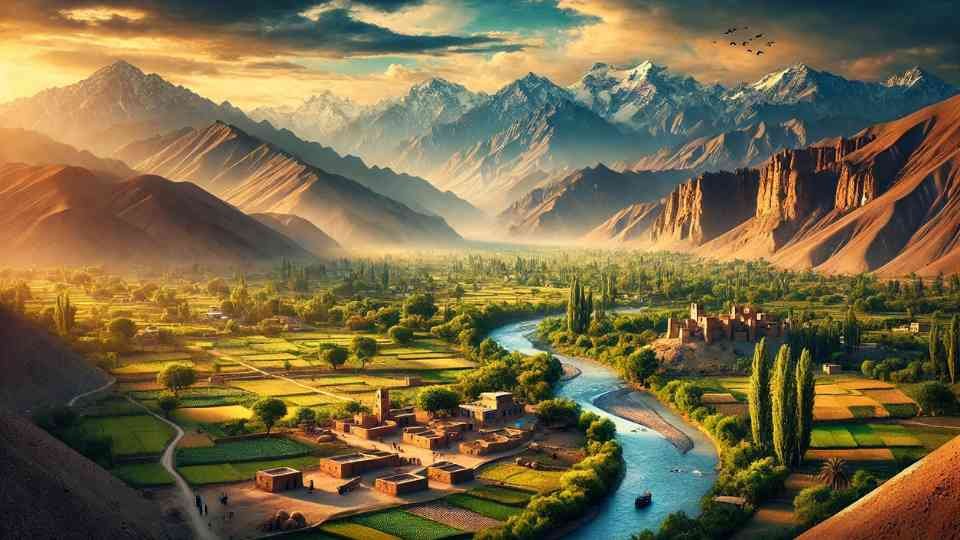
7. Afghanistan’s Natural Beauty
Afghanistan is home to stunning landscapes, including:
- Hindu Kush Mountains – A breathtaking mountain range that stretches across the country.
- Band-e-Amir National Park – Afghanistan’s first national park with blue lakes and waterfalls.
- Panjshir Valley – Known for its natural beauty and historical significance.
- Wakhan Corridor – A remote and pristine area connecting Afghanistan with China.
Why it matters:
Despite conflicts, Afghanistan remains a land of breathtaking scenery and eco-tourism potential.
8. Afghanistan’s Economy and Resources
Afghanistan has vast natural resources, including:
- Lapis Lazuli – A deep blue gemstone used in ancient art.
- Copper, Gold, and Lithium – Valuable minerals with economic potential.
- Agriculture – The backbone of the economy, producing wheat, pomegranates, saffron, and almonds.
Why it matters:
Afghanistan’s natural wealth could contribute to economic development if properly managed.
9. Ongoing Challenges and Future Prospects
Afghanistan faces significant challenges, including:
- Security issues due to long-standing conflicts.
- Economic struggles and reliance on foreign aid.
- Education and healthcare gaps affecting many citizens.
However, with international cooperation, investment, and peace-building efforts, Afghanistan has the potential for stability and growth.
Why it matters:
Awareness of Afghanistan’s challenges and opportunities is key to understanding its future prospects.
10. Afghanistan’s Contribution to Global History
Afghanistan has influenced global history in various ways:
- It was part of the Silk Road, connecting Asia with Europe.
- It played a crucial role in the spread of Buddhism and Islamic civilization.
- It has been a focal point in major geopolitical events, from Alexander the Great to modern conflicts.
Why it matters:
Afghanistan’s historical and strategic role makes it a significant country in world history.
Final Thoughts
Afghanistan is more than just a conflict zone. It is a land of history, culture, resilience, and beauty. Understanding these ten key aspects helps in appreciating the rich heritage, challenges, and potential of this fascinating country.
If you found this article helpful, share it with others who might want to learn more about Afghanistan!
📩 For Business and Digital Marketing Consultations, Contact Guruji Sunil Chaudhary at sunil@justbaazaar.com