
The Maha Kumbh Mela is one of the largest religious gatherings in the world, attracting millions of devotees to Prayagraj, India, for a sacred dip at the confluence of the Ganges, Yamuna, and the mythical Saraswati rivers. This grand Hindu pilgrimage, held every 12 years, symbolizes spiritual purification and salvation. However, the 2025 Maha Kumbh Mela was overshadowed by tragedy when a massive stampede on January 29 led to the deaths of at least 30 people and injuries to more than 60.
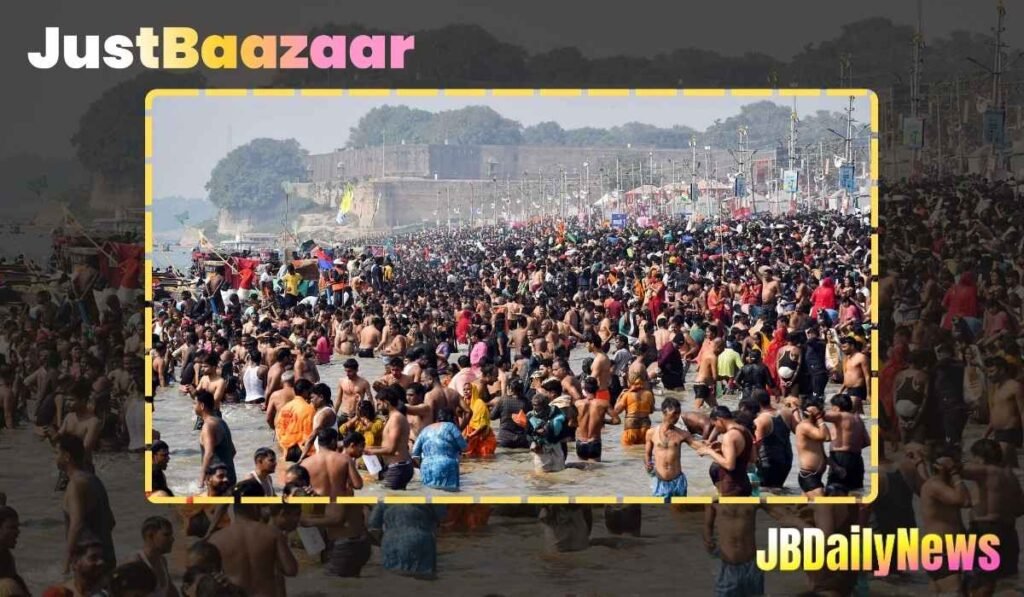
The incident has raised concerns over the safety of such mass gatherings, the government’s response, and the need for improved infrastructure and crowd control measures to prevent similar disasters in the future.
The Incident: What Happened?
The stampede occurred during the early hours of Mauni Amavasya, one of the most significant bathing days of the festival. On this auspicious occasion, millions of devotees gather to take a ritualistic dip in the sacred rivers, believing it washes away sins and paves the way for salvation.
However, the sheer number of people present at the Sangam ghat (the confluence of the rivers) created a chaotic situation. According to reports:
- The stampede began when thousands of devotees surged forward to reach the riverbank.
- Eyewitnesses stated that barricades were breached, leading to uncontrolled movement and panic among pilgrims.
- Many devotees, including elderly individuals and children, were trapped and crushed in the rush.
- Rescue operations were delayed as authorities struggled to manage the overwhelming crowd.
The government officially acknowledged the tragedy over 12 hours later, drawing criticism for its delayed response.
Government’s Response and Crisis Management
In the aftermath of the disaster, Uttar Pradesh Chief Minister Yogi Adityanath addressed the situation, emphasizing the steps taken by his administration to control the crisis. His key points included:
- Swift Emergency Response: Medical teams and rescue workers were deployed to provide immediate aid to the injured.
- Crowd Evacuation: Authorities focused on dispersing the remaining crowd at the Sangam ghat to prevent further mishaps.
- Managing Religious Groups: The government coordinated with the 13 Akhadas (Hindu ascetic sects) to delay their scheduled Amrit Snan (holy dip) and avoid additional congestion.
- Compensation for Victims: The government announced financial aid for the families of those who lost their lives and those injured.
Despite these measures, the administration faced criticism for underplaying the incident to prevent mass panic. CM Adityanath stated that excessive media coverage could have triggered further unrest and chaos.
Opposition’s Criticism and Public Reaction
The opposition, particularly the Samajwadi Party led by Akhilesh Yadav, strongly criticized the government’s handling of the incident.
- Yadav accused the administration of poor planning and mismanagement, claiming that the tragedy could have been averted with better crowd control.
- He further alleged that the ruling Bharatiya Janata Party (BJP) prioritized political optics over public safety.
- The decision to suppress details of the stampede in the media also sparked a debate on transparency and public accountability.
Public sentiment has been mixed. While many acknowledge the government’s efforts to prevent further panic, others believe that authorities should have been more proactive in ensuring safety from the beginning.
Lessons for the Future: How to Prevent Such Disasters?
The 2025 Maha Kumbh Mela stampede serves as a grim reminder of the challenges posed by mass gatherings. Here are some critical lessons and measures that can help prevent similar incidents in the future:
1. Enhanced Crowd Management
- Deployment of AI-powered surveillance systems to monitor crowd density in real time.
- Use of RFID-based tracking for pilgrims to regulate movement.
- Better-designed barricades and multiple access points to prevent congestion.
2. Improved Infrastructure and Safety Measures
- Expanding entry and exit points at major bathing ghats.
- Strengthening emergency response protocols with more medical units and disaster response teams on standby.
- Installing large LED screens to provide real-time information and safety instructions to pilgrims.
3. Better Coordination with Religious Groups
- The government must collaborate with the Akhadas and religious leaders to create structured schedules for bathing rituals.
- Implementing a staggered timing system to reduce overcrowding during peak hours.
4. Transparent Communication
- The administration must provide timely updates on incidents and ensure accurate information reaches the public.
- Avoiding excessive suppression of news, which can lead to misinformation and speculation.
Conclusion
The Maha Kumbh Mela is a profound spiritual experience for millions, but tragedies like the 2025 stampede highlight the urgent need for better planning and safety measures. While the government took swift action post-incident, it is crucial to learn from the past and implement proactive strategies to ensure that religious gatherings remain safe, well-managed, and secure for all attendees.
Moving forward, both the authorities and devotees must work together to balance faith with safety, ensuring that the sanctity of such events is preserved without endangering lives.