Flooring is a significant element when designing or renovating a home. It not only influences the aesthetic appeal but also the comfort, durability, and practicality of your living space. Among the popular flooring options, Luxury Vinyl Plank (LVP) flooring has been gaining traction globally, including in India. Known for its durability, water resistance, and versatility, LVP mimics the look of natural materials such as wood and stone, but at a fraction of the cost.
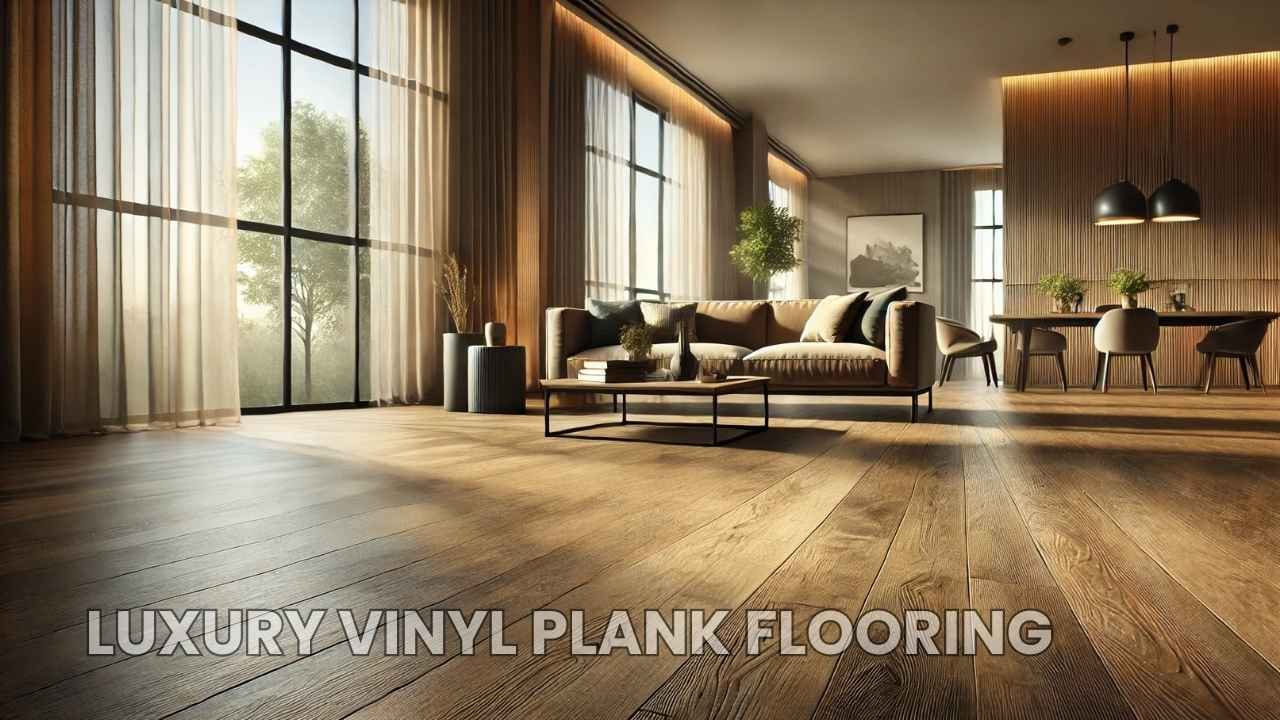
In this comprehensive guide, we’ll explore everything you need to know about luxury vinyl plank flooring in India, including advantages, disadvantages, prices, comparison with laminate flooring, and much more. This post will help you understand why LVP is becoming one of the most popular choices for both residential and commercial spaces.
Table of Contents
- What is Luxury Vinyl Plank (LVP) Flooring?
- Types of Vinyl Flooring: Luxury Vinyl Plank (LVP) vs Luxury Vinyl Tile (LVT)
- Advantages of Luxury Vinyl Plank Flooring
- Disadvantages of Luxury Vinyl Plank Flooring
- Luxury Vinyl Plank Flooring Prices in India
- LVP Flooring Installation Guide
- Luxury Vinyl Plank vs Laminate Flooring
- Maintenance and Care for Luxury Vinyl Plank Flooring
- Best Brands of Luxury Vinyl Plank Flooring in India
- FAQs About Luxury Vinyl Plank Flooring
1. What is Luxury Vinyl Plank (LVP) Flooring?
Luxury Vinyl Plank (LVP) flooring is a type of vinyl flooring designed to replicate the appearance of real hardwood planks. However, unlike hardwood, LVP is made of several layers of synthetic materials that offer superior durability, moisture resistance, and ease of maintenance.
The composition of LVP typically includes:
- Wear Layer: This is the top layer and is transparent. It protects the vinyl layer from scratches, stains, and wear.
- Vinyl Layer: This layer mimics the appearance of natural wood or stone through a high-resolution printed image.
- Core Layer: The core provides structure and rigidity. It is made from materials such as PVC (Polyvinyl Chloride), WPC (Wood-Plastic Composite), or SPC (Stone-Plastic Composite).
- Backing Layer: The final layer offers support and stability to the flooring and often includes sound insulation.
LVP comes in planks, typically 4-12 inches wide and 36-48 inches long, making it easy to install and giving a real wood floor appearance.
Key Features of LVP:
- Water-Resistant or Waterproof: LVP can withstand spills and moisture, making it ideal for kitchens, bathrooms, and basements.
- Durability: LVP is highly resistant to scratches, dents, and wear, making it a great choice for high-traffic areas.
- Easy Maintenance: Simple cleaning and minimal maintenance make it a popular option for families and pet owners.
- Variety: Available in a wide range of styles, colors, and textures to suit different tastes and interiors.
2. Types of Vinyl Flooring: Luxury Vinyl Plank (LVP) vs Luxury Vinyl Tile (LVT)
Both Luxury Vinyl Plank (LVP) and Luxury Vinyl Tile (LVT) fall under the category of luxury vinyl flooring, but they differ in their shapes and intended appearance.
Luxury Vinyl Plank (LVP):
- Shape and Design: LVP is designed to mimic hardwood floors and typically comes in plank form.
- Texture: It can replicate the texture and grains of real wood.
- Common Uses: Ideal for areas where you want the look of wood but with enhanced durability and water resistance, such as living rooms, bedrooms, and kitchens.
Luxury Vinyl Tile (LVT):
- Shape and Design: LVT is made to resemble stone, ceramic, or porcelain tiles and comes in square or rectangular tile shapes.
- Texture: LVT can replicate the texture of natural stone or ceramic with grout lines.
- Common Uses: Often used in bathrooms, laundry rooms, or areas where you want the look of tile but the comfort and warmth of vinyl.
Comparison Table: LVP vs LVT
| Feature | Luxury Vinyl Plank (LVP) | Luxury Vinyl Tile (LVT) |
|---|---|---|
| Appearance | Mimics hardwood flooring | Mimics stone/ceramic |
| Shape | Planks (rectangular) | Tiles (square/rectangular) |
| Common Areas | Living rooms, bedrooms, kitchens | Bathrooms, laundry rooms |
| Installation | Floating, glue-down, or click-lock | Glue-down, click-lock |
Both LVP and LVT offer the same benefits, such as durability, water resistance, and ease of maintenance, making them ideal for almost any room in the house.
3. Advantages of Luxury Vinyl Plank Flooring
1. Waterproof
One of the biggest advantages of LVP is that many varieties are waterproof. This makes it ideal for areas prone to moisture, such as kitchens, bathrooms, and basements. Traditional hardwood is highly susceptible to water damage, but LVP handles moisture with ease.
2. Affordability
Compared to traditional hardwood flooring or stone tiles, luxury vinyl plank flooring is significantly more affordable. While it replicates the look of natural materials, LVP comes at a fraction of the price, making it accessible to a larger audience.
3. Ease of Installation
Luxury vinyl plank flooring is known for being easy to install. Many LVP options use a click-lock or floating floorsystem, which means you can lay the planks over existing floors without glue or nails. This makes it a great DIY project for homeowners looking to save on installation costs.
4. Durability and Scratch Resistance
LVP is highly durable and resistant to wear, scratches, and dents, making it ideal for high-traffic areas and homes with pets and children. The top wear layer protects the floor from damage, extending the life of the product.
5. Variety of Styles
LVP is available in a vast array of colors, textures, and designs. From light oak and walnut to rustic and weathered looks, you can find a style that complements any interior design. Some LVP options also offer embossed textures to mimic the grains and patterns of real wood.
6. Comfort Underfoot
Unlike traditional tiles or hardwood floors, LVP has a slight cushion, making it comfortable to walk on. Some luxury vinyl planks come with attached underlayment, which adds to the comfort and also provides some sound insulation.
7. Easy Maintenance
LVP requires very little maintenance compared to other flooring options. It is stain-resistant and only requires regular sweeping or vacuuming, along with occasional damp mopping, to keep it looking pristine.
8. Eco-Friendly Options
Many LVP products are now being manufactured with eco-friendly materials and low-VOC emissions, making them a safer option for indoor air quality.
4. Disadvantages of Luxury Vinyl Plank Flooring
Despite its many benefits, LVP has some downsides that you should consider before installation:
1. Not as Luxurious as Natural Materials
While LVP is designed to replicate the look of natural hardwood or stone, it can never fully match the luxury and feel of the real thing. For homeowners who want the genuine article, natural materials might still be preferred.
2. Susceptibility to Fading
Though LVP is durable, it can fade when exposed to direct sunlight for extended periods. This makes it less suitable for rooms with large windows unless treated with UV protection.
3. Not Biodegradable
LVP is made of synthetic materials like PVC, which are not biodegradable. This means that if sustainability and environmental impact are your primary concerns, LVP may not be the best choice compared to natural materials like wood or stone.
4. Potential for Indentation
Though LVP is generally durable, heavy furniture can cause indentations if not properly supported with pads or coasters. While the surface resists scratches, it is not impervious to heavy loads over long periods.
5. Difficult to Repair
In case of damage to one plank or tile, it can be challenging to replace just that portion of the floor. Seamless repairsmay not be possible without replacing the entire plank or area, which can be problematic if the product is discontinued.
5. Luxury Vinyl Plank Flooring Prices in India
The price of luxury vinyl plank flooring in India can vary based on the brand, quality, thickness, and installation method. Below is a breakdown of average LVP prices in India as of 2024.
LVP Price Range in India:
- Basic Luxury Vinyl Planks: ₹150 – ₹300 per sq. ft.
- Mid-Range Luxury Vinyl Planks: ₹300 – ₹600 per sq. ft.
- High-End Luxury Vinyl Planks: ₹600 – ₹1000+ per sq. ft.
Factors Influencing the Cost of LVP in India:
- Thickness: Thicker planks (ranging from 4mm to 8mm) offer better durability and cushioning but come at a higher price.
- Wear Layer Thickness: A thicker wear layer increases the durability and scratch resistance of the floor.
- Core Type: Planks with SPC (Stone Plastic Composite) or WPC (Wood Plastic Composite) cores tend to be more expensive but provide greater stability and water resistance.
- Brand: Premium brands like Pergo, Armstrong, and Quick-Step offer high-quality products, which can cost more than lesser-known brands.
- Installation Method: Click-lock installation may be pricier, but it offers better durability and ease of use.
Popular LVP Brands and Their Approximate Prices in India:
- Pergo: ₹500 – ₹900 per sq. ft.
- Armstrong: ₹400 – ₹800 per sq. ft.
- Quick-Step: ₹450 – ₹850 per sq. ft.
- Welspun: ₹300 – ₹600 per sq. ft.
Budget-Friendly Options:
For those on a budget, several Indian brands offer affordable luxury vinyl planks. You can find options in the ₹150 – ₹300 range from brands like Welspun and Responsive Industries, which provide decent quality LVP for residential purposes.
6. LVP Flooring Installation Guide
One of the major attractions of luxury vinyl plank flooring is the variety of installation methods available, making it accessible to both DIY enthusiasts and professionals.
Methods of LVP Installation:
- Floating/Click-Lock Installation:
- Description: In this method, the planks snap together and “float” over the subfloor without the need for glue or nails.
- Advantages: Easier to install, does not damage the subfloor, can be installed over existing floors, and is ideal for DIY.
- Disadvantages: Requires precise measurements and cuts; improper installation can lead to gaps.
- Glue-Down Installation:
- Description: The planks are adhered to the subfloor using a special adhesive. This is a more permanent installation method.
- Advantages: Provides a solid feel underfoot and is highly durable, especially in high-traffic areas.
- Disadvantages: Difficult to remove or replace, requires professional installation.
- Loose Lay Installation:
- Description: The planks are heavy enough that they are simply laid over the subfloor without adhesive, relying on friction and weight to stay in place.
- Advantages: Quick and easy installation, can be replaced individually if damaged.
- Disadvantages: Only suitable for small or medium-sized rooms; may shift in larger spaces.
Step-by-Step Guide for Floating Installation:
Materials Needed:
- LVP planks
- Measuring tape
- Utility knife
- Spacers
- Tapping block and mallet
- Transition strips (optional)
- Underlayment (if needed)
Step 1: Prepare the Subfloor
Ensure that the subfloor is clean, dry, and level. Any debris or unevenness could impact the installation. Use a vacuum to remove dust and fill any cracks or gaps.
Step 2: Install Underlayment
If your LVP doesn’t come with an attached underlayment, you’ll need to roll out an underlayment on the subfloor to provide a moisture barrier and sound insulation.
Step 3: Plan Your Layout
Start by measuring the room and deciding the direction of your planks. LVP typically looks better when laid parallel to the longest wall in the room. Always start from the corner of the room and work your way out.
Step 4: Lay the First Row
Place spacers along the walls to allow for expansion. Begin laying the first row of planks, ensuring they click together tightly. Use a tapping block and mallet if necessary.
Step 5: Continue the Installation
Stagger the seams of each row by cutting planks so that the seams do not align with the previous row. Continue this process, clicking the planks together until the floor is covered.
Step 6: Finish with Trim and Transition Strips
Once all the planks are in place, remove the spacers and install trim or baseboards to cover the expansion gap. Use transition strips for doorways or areas where the LVP meets other flooring materials.
Step 7: Clean and Inspect
Clean the newly installed floor to remove any debris or dust from the installation process. Inspect the floor for any gaps or areas that need adjustment.
7. Luxury Vinyl Plank vs Laminate Flooring
Both luxury vinyl plank (LVP) and laminate flooring are popular choices for homeowners looking for durable and affordable alternatives to hardwood. While they share some similarities, there are key differences in composition, durability, water resistance, and more.
Comparison Table: LVP vs Laminate Flooring
| Feature | Luxury Vinyl Plank (LVP) | Laminate Flooring |
|---|---|---|
| Composition | PVC and synthetic materials | Fiberboard core with a photo layer |
| Water Resistance | Highly water-resistant or waterproof | Water-resistant but not waterproof |
| Durability | Very durable, resists scratches | Durable but prone to water damage |
| Installation | Click-lock, glue-down, or loose lay | Click-lock or glue-down |
| Price | ₹150 – ₹1000 per sq. ft. | ₹100 – ₹600 per sq. ft. |
| Texture | Can replicate wood, stone, or tile | Primarily wood-like textures |
| Maintenance | Easy to clean and maintain | Requires more care to avoid water damage |
| Comfort | Softer and warmer underfoot | Harder and colder underfoot |
Key Differences:
- Water Resistance:
- LVP is waterproof, making it suitable for wet areas like kitchens, bathrooms, and basements.
- Laminate, on the other hand, is water-resistant but can swell and warp if exposed to water for long periods.
- Durability:
- LVP is generally more durable and scratch-resistant than laminate, making it a better option for high-traffic areas and homes with pets and children.
- Price:
- Laminate flooring is generally more affordable than LVP, but it lacks the water resistance and durability of vinyl.
- Maintenance:
- LVP is easier to maintain and requires less effort to clean, especially in areas where spills or moisture are common. Laminate requires more careful maintenance to avoid water damage.
In summary, if you’re looking for a durable, water-resistant, and easy-to-maintain flooring solution, LVP is a better option. However, if you prefer a cost-effective option for dry areas, laminate may be the way to go.
8. Maintenance and Care for Luxury Vinyl Plank Flooring
One of the best aspects of LVP flooring is its low maintenance requirements. With just a few basic care tips, you can keep your vinyl plank floors looking pristine for years.
Cleaning Tips for LVP:
- Regular Sweeping/Vacuuming: Sweep or vacuum regularly to remove dirt and debris that can scratch the surface.
- Damp Mopping: Use a damp mop with a mild cleaning solution to remove stains and spills. Avoid using abrasive cleaners or harsh chemicals.
- Wipe Spills Immediately: Although LVP is water-resistant, it’s best to wipe up spills immediately to avoid staining or damage to the finish.
- Use Furniture Pads: To prevent scratches, place felt pads under heavy furniture legs and avoid dragging furniture across the floor.
Preventative Measures:
- Rugs and Mats: Place doormats at entrances to catch dirt and debris before it reaches your vinyl floors. Rugs in high-traffic areas can help reduce wear.
- Avoid Direct Sunlight: Prolonged exposure to direct sunlight can cause vinyl flooring to fade. Use blinds or curtains to reduce sunlight exposure.
9. Best Brands of Luxury Vinyl Plank Flooring in India
With the increasing popularity of LVP flooring in India, many international and domestic brands offer a wide range of options. Here are some of the top brands known for their quality LVP flooring:
1. Pergo
Known for its premium quality and durability, Pergo offers a variety of vinyl plank options with different designs and finishes.
2. Armstrong
Armstrong is a globally recognized brand that offers both affordable and high-end luxury vinyl planks with excellent water resistance and durability.
3. Quick-Step
Quick-Step offers high-end luxury vinyl planks with innovative click-lock systems and beautiful wood-like designs.
4. Welspun
An Indian brand offering budget-friendly LVP options, Welspun is popular among homeowners looking for affordable yet quality flooring solutions.
5. Responsive Industries
Responsive Industries is a leading Indian manufacturer of vinyl flooring, offering a range of products suitable for residential and commercial spaces.
10. FAQs About Luxury Vinyl Plank Flooring
1. Is Luxury Vinyl Plank Flooring waterproof?
Yes, most luxury vinyl plank flooring is either water-resistant or fully waterproof, making it an ideal choice for moisture-prone areas like kitchens, bathrooms, and basements.
2. Can I install LVP flooring over existing tiles?
Yes, luxury vinyl plank flooring can often be installed over existing tile, provided the subfloor is level and in good condition.
3. How long does LVP flooring last?
With proper care and maintenance, LVP flooring can last anywhere between 15 to 25 years, depending on the quality of the product and the foot traffic in the area.
4. Does luxury vinyl plank require an underlayment?
It depends on the type of LVP and the condition of your subfloor. Some luxury vinyl planks come with built-in underlayment, while others may require a separate underlayment for added sound insulation and moisture protection.
5. Is LVP flooring suitable for commercial spaces?
Yes, LVP is highly durable and water-resistant, making it suitable for high-traffic commercial spaces such as offices, retail stores, and restaurants.
6. Can LVP be installed in cold climates?
Yes, luxury vinyl plank flooring is stable in various climates, including cold regions. However, it’s important to allow the flooring to acclimate to the room’s temperature before installation.
7. Can I refinish or sand LVP flooring?
No, LVP flooring cannot be sanded or refinished like hardwood. If a section of the floor gets damaged, it will need to be replaced.
8. How does LVP compare to hardwood in terms of appearance?
LVP is designed to closely mimic the look and texture of real hardwood. While it may not offer the same luxurious feel as authentic hardwood, it provides a highly convincing wood-like appearance at a lower cost.
9. Is luxury vinyl plank flooring environmentally friendly?
While LVP is made from synthetic materials, many brands are now offering low-VOC (volatile organic compound)options and eco-friendly manufacturing processes to reduce the environmental impact.
10. Can luxury vinyl plank flooring increase the resale value of a home?
While LVP may not add as much resale value as real hardwood, its durability, affordability, and aesthetic appeal can still be attractive selling points for potential buyers.
Conclusion
Luxury Vinyl Plank (LVP) flooring is a versatile, durable, and affordable flooring option that suits a wide range of settings, from residential homes to commercial spaces. With its waterproof properties, easy installation, and low maintenance requirements, LVP has quickly become a favorite for homeowners in India. When choosing the right flooring for your space, consider factors like budget, style preferences, installation method, and maintenance needs.
For those who want the look of hardwood or stone without the high price or upkeep, LVP offers an excellent alternative. Whether you’re renovating your home or installing new floors in a commercial space, Luxury Vinyl Plank flooringprovides an elegant, long-lasting solution.