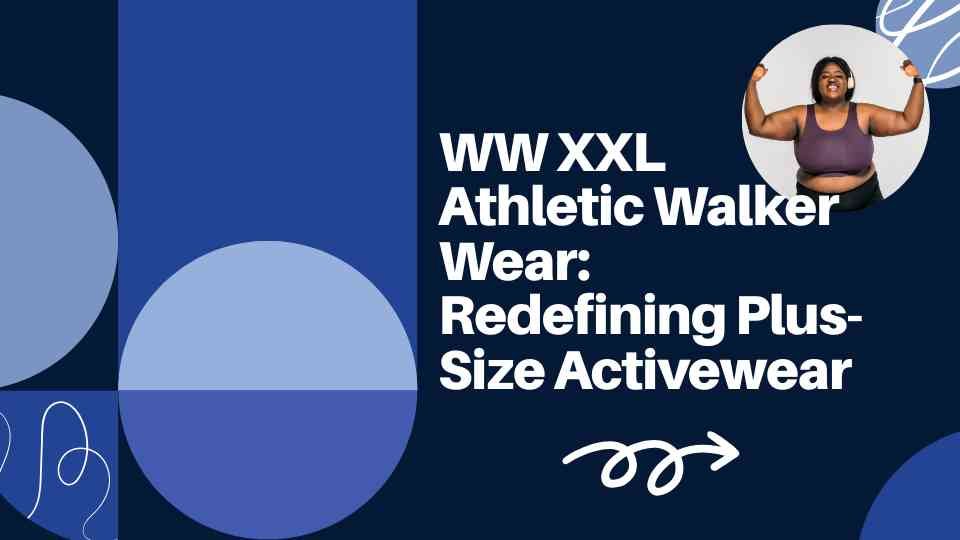
In the dynamic world of athletic apparel, WW XXL Athletic Walker Wear stands out as a distinctive trademark associated with the brand Walker Wear. Trademarks play a crucial role in identifying and differentiating brands in the marketplace, offering consumers a sense of reliability, quality, and authenticity.
This trademark is not just a name—it embodies a commitment to providing comfortable, stylish, and performance-oriented apparel for individuals who prioritize both fitness and fashion. Here’s a deep dive into what makes WW XXL Athletic Walker Wear a standout name in the industry.

Understanding the Trademark: Breaking Down Its Significance
Each element of the trademark conveys a specific message about the brand’s identity and purpose:
1. “WW” – The Brand Identity
The initials WW represent Walker Wear, a brand recognized for its focus on athletic apparel. Walker Wear has likely built its reputation around offering high-quality sportswear that meets the needs of fitness enthusiasts, especially those who enjoy walking as a primary form of exercise.
2. “XXL” – Catering to Larger Athletes
The inclusion of XXL highlights the brand’s commitment to serving individuals who require extra-large sizes. Many activewear brands cater primarily to standard sizes, often neglecting the needs of those who seek plus-size performance wear. WW XXL Athletic Walker Wear ensures that everybody, regardless of size, has access to premium athletic clothing that fits well and supports an active lifestyle.
3. “Athletic Walker Wear” – Functional and Purpose-Driven
This part of the trademark makes it clear that the brand is designed for movement. Whether it’s power walking, casual strolling, or engaging in other forms of fitness, the apparel is tailored to enhance comfort and provide the right level of flexibility, breathability, and durability.
Download FREE Presentation – Click HERE
Why WW XXL Athletic Walker Wear Stands Out?
Several factors contribute to the uniqueness and appeal of WW XXL Athletic Walker Wear:
✔️ Focus on Plus-Size Activewear
The brand recognizes that larger-sized individuals often struggle to find comfortable and stylish athletic wear. With its emphasis on XXL sizing, it caters to a segment of the market that is frequently overlooked.
✔️ Designed for Walkers and Fitness Enthusiasts
Unlike general athletic brands that cater to all kinds of sports, WW XXL Athletic Walker Wear focuses specifically on walking and related fitness activities. This means better materials, improved mobility, and clothing that enhances endurance and comfort for walkers.
✔️ High-Performance Fabrics
The brand likely incorporates moisture-wicking fabrics, breathable mesh panels, stretchable materials, and reinforced seams to support long-term activity without compromising on comfort.
✔️ Style Meets Functionality
Aesthetics matter. The designs are modern, sleek, and versatile, allowing wearers to transition effortlessly from a workout to casual outings without feeling underdressed.
✔️ A Commitment to Body Positivity
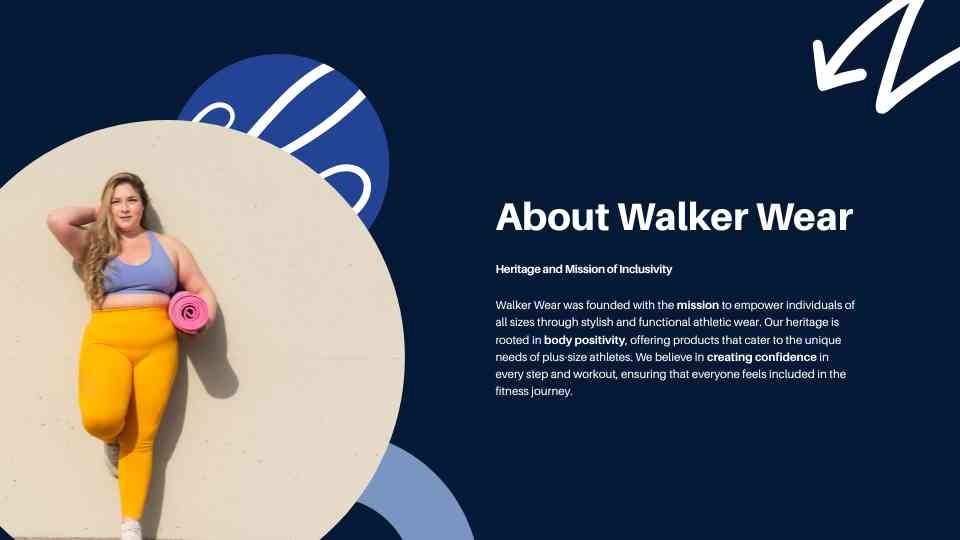
WW XXL Athletic Walker Wear promotes the message that fitness is for everyone—regardless of size. By creating activewear that celebrates all body types, the brand encourages individuals to embrace their fitness journeys with confidence.
The Growing Demand for XXL Athletic Wear
The demand for inclusive activewear has grown tremendously in recent years. More individuals seek comfortable and well-fitted athletic clothing that allows them to stay active without restrictions. WW XXL Athletic Walker Wear steps up to fill this gap, ensuring that plus-size athletes and fitness enthusiasts can enjoy the same level of quality and performance as those wearing standard sizes.
The WWXXL athletic mark design stands as a significant emblem in the sphere of athletic branding, encapsulating both the identity and ethos of the sporting world it represents. This distinctive mark is not merely a visual symbol; it is a beacon that conveys the values, heritage, and aspirations of the associated athletic organization. In the competitive realm of sports, where branding and visual identity can influence perceptions and success, the WWXXL athletic mark design plays a pivotal role.
At its core, the WWXXL athletic mark design is crafted to be instantly recognizable and memorable. It integrates elements that resonate with the target audience, including athletes, fans, and stakeholders, creating a strong emotional connection. The design often incorporates unique typography, dynamic shapes, and meaningful color schemes, each chosen to evoke specific feelings and associations. Such thoughtful design choices ensure that the WWXXL mark stands out in a crowded market, fostering brand loyalty and recognition.
Moreover, the importance of the WWXXL athletic mark design extends beyond aesthetics. It serves as a unifying symbol for the team or organization, embodying their collective spirit and ambitions. This mark is prominently displayed on uniforms, merchandise, promotional materials, and digital platforms, becoming a ubiquitous presence that reinforces the brand’s identity at every turn. Its consistency and versatility are crucial, allowing it to maintain its impact across various media and formats.
Understanding the WWXXL athletic mark design involves appreciating its strategic role in brand communication and its ability to convey complex messages through simple visual elements. As we delve deeper into its components and significance, it becomes evident that the design is not just about creating a logo but about crafting a comprehensive brand experience that resonates on multiple levels.
Download FREE Presentation – Click HERE
The Meaning Behind WWXXL Athletic Mark Design
The WWXXL athletic mark design stands as a hallmark of contemporary sports branding, encapsulating a unique blend of symbolism and identity. Each component of the acronym WWXXL is meticulously crafted to reflect the core values and aspirations of the athletic brand it represents.
The initials “WW” signify “World Wide,” underscoring the brand’s global reach and universal appeal. This element of the design speaks to the brand’s ambition to transcend geographical boundaries and resonate with a diverse audience of athletes and sports enthusiasts around the world.
The “XX” component stands for “Excellence and Tenacity.” Excellence symbolizes the brand’s unwavering commitment to high performance and superior quality, while Tenacity reflects the relentless spirit and perseverance required in the world of athletics. Together, these elements emphasize the brand’s dedication to fostering an environment where athletes strive for greatness and push their limits.
Lastly, the “L” stands for “Legacy,” representing the enduring impact and long-term vision of the brand. This aspect of the mark is designed to convey a sense of heritage and lasting influence, suggesting that the brand aims to leave a significant and positive imprint on the world of sports.
The combination of these elements in the WWXXL athletic mark design creates a powerful and cohesive brand identity. The design not only highlights the brand’s core values but also aims to inspire and motivate its audience. The intended message is one of global unity, excellence, resilience, and a commitment to building a lasting legacy in the athletic domain.
Through this thoughtful integration of symbolism, the WWXXL athletic mark design effectively communicates the brand’s mission and vision, establishing a distinctive and memorable presence in the competitive world of sports branding.
What is Athletic Design?
Athletic design is a multifaceted concept that encompasses the creation and development of various elements associated with sports and physical activities. This includes the design of apparel, logos, equipment, and facilities, each tailored to enhance performance, comfort, and visual appeal. The role of athletic design is pivotal in ensuring that athletes can perform at their best while also promoting brand identity and aesthetic value.
In the realm of sports apparel, athletic design focuses on crafting clothing that supports movement, optimizes comfort, and reduces physical constraints. This often involves the use of advanced materials and technologies that offer breathability, flexibility, and durability. For instance, moisture-wicking fabrics are commonly used to keep athletes dry and comfortable during intense activities.
Logos and branding are another critical aspect of athletic design. Effective logos not only represent the identity of a sports team or brand but also evoke a sense of pride and unity among players and fans. The design process typically involves creating a visual that is both memorable and reflective of the team’s values and spirit.
When it comes to sports equipment, athletic design aims to enhance functionality and safety. This includes everything from the ergonomic design of footwear to the aerodynamic shape of racing bicycles. The goal is to provide athletes with equipment that can improve their performance while also minimizing the risk of injury.
Facilities and sporting venues also benefit from thoughtful athletic design. This entails the layout and construction of spaces that facilitate training, competition, and spectatorship. Factors such as lighting, acoustics, and seating arrangements are meticulously planned to create an environment that is conducive to both athletes and audiences.
Overall, athletic design is a harmonious blend of aesthetics and functionality. It requires a deep understanding of the physical demands of sports and the psychological impact of visual elements. Whether through innovative apparel, iconic logos, advanced equipment, or state-of-the-art facilities, athletic design plays a crucial role in the world of sports.
Decoding the Full Meaning of XXL
The term ‘XXL’ is widely recognized in the realm of athletic branding, particularly when it comes to sportswear. It primarily serves as an indicator of size, denoting an extra-extra-large fit. This sizing label is essential for athletes and consumers who require larger clothing options to accommodate their physiques. The use of ‘XXL’ in this context ensures that the sportswear meets the diverse needs of its audience, providing comfort and optimal performance during physical activities.
However, within the context of the WWXXL mark, ‘XXL’ extends beyond a mere sizing label. It encapsulates a broader connotation of excellence, power, and dominance. The repetition of the letter ‘X’ symbolizes an amplification of qualities, suggesting that the brand is designed to cater to those who strive for greatness in their athletic endeavors. This dual significance of ‘XXL’ not only addresses the practical aspect of size but also resonates with the aspirational goals of athletes who aim to excel in their sports.
Additionally, ‘XXL’ is a term that transcends its primary use in sportswear and finds relevance in other branding contexts. For instance, in the entertainment industry, ‘XXL’ is often associated with larger-than-life personalities or events, conveying a sense of grandeur and exceptionalism. Magazines like ‘XXL’ are recognized for their comprehensive coverage of hip-hop culture, emphasizing the substantial impact and influence within that sphere. Similarly, in the automotive industry, ‘XXL’ might be used to describe vehicles with enhanced features and superior performance capabilities.
In the case of WWXXL, the use of ‘XXL’ amalgamates these varied connotations to create a brand identity that is synonymous with superior quality, strength, and ambition. It reflects a commitment to providing products that not only meet the physical requirements of athletes but also inspire them to push their boundaries and achieve extraordinary feats.
Types of Athletic Designs
Athletic designs are an integral part of the sports and fitness industry, serving different purposes and audiences. Broadly, these designs can be categorized into four main types: designs for professional sports teams, amateur athletes, fitness enthusiasts, and recreational sports. Each category has its own unique characteristics and trends, tailored to meet the specific needs of its target market.
Professional Sports Teams
Designs for professional sports teams are meticulously crafted to reflect the identity and ethos of the team. These designs are often characterized by bold colors, distinct logos, and intricate patterns that signify team spirit and history. They are also designed with performance in mind, utilizing advanced fabrics and technology to enhance athletic performance. Professional designs often set trends in the industry, influencing other categories.
Amateur Athletes
Amateur athletes require designs that balance functionality and style. These designs often emulate the professional aesthetic but are more accessible in terms of cost and availability. Key characteristics include durability, comfort, and versatility, allowing amateur athletes to perform at their best in various sports. Trends in this category often draw inspiration from professional sports but are adapted for broader use.
Fitness Enthusiasts
For fitness enthusiasts, designs are focused on versatility and comfort. These designs need to accommodate a range of activities, from yoga and pilates to high-intensity interval training (HIIT). The key characteristics include moisture-wicking fabrics, flexible materials, and ergonomic fits that ensure maximum comfort and performance. Trends in this category often emphasize minimalistic designs with a focus on functionality.
Recreational Sports
Recreational sports designs are crafted for casual players who engage in sports for fun and leisure. These designs prioritize comfort and ease of movement, often featuring relaxed fits and breathable materials. While they may not incorporate the advanced technology seen in professional or amateur designs, they offer a blend of style and functionality suitable for informal play. Trends in this category are often driven by fashion and lifestyle influences, making them more dynamic and varied.
Importance of Branding in Athletics
In the competitive world of athletics, branding plays a pivotal role in establishing a distinct identity for teams, athletes, and sports organizations. A strong brand not only differentiates one team from another but also fosters a sense of unity and pride among players and fans. An effective athletic mark design serves as the cornerstone of this branding effort, encapsulating the essence of the team’s identity and values in a visual form.
The impact of a well-designed athletic mark extends far beyond aesthetics. It builds a recognizable symbol that fans can rally around, creating a deeper connection and loyalty. For instance, the iconic swoosh of Nike or the three stripes of Adidas are not just logos; they are emblems of quality, performance, and style that resonate with millions worldwide. These brands have leveraged their athletic marks to create powerful narratives around their products, enhancing their marketability and global reach.
Another pertinent example is the Golden State Warriors’ updated logo, which has played a significant role in revitalizing the team’s image. The sleek, modern design of the bridge icon not only pays homage to the team’s San Francisco roots but also appeals to a contemporary audience, thereby boosting merchandise sales and fan engagement. This demonstrates how an effective athletic mark design can significantly impact a team’s commercial success and fan base growth.
Moreover, the role of an athletic mark extends into merchandising, where the design can drive sales of apparel, equipment, and other branded items. Teams with a strong brand presence often see their logos become a staple in sports culture, further cementing their influence and reach. This synergy between design and marketability underscores the importance of investing in a thoughtful and strategic approach to athletic mark design.
In conclusion, the significance of branding in athletics cannot be overstated. An effective athletic mark design is more than just a visual identifier; it is a strategic asset that enhances team identity, fosters fan loyalty, and drives marketability. By examining successful athletic brands, it becomes evident that a compelling design is integral to achieving long-term success in the sports industry.
Download FREE Presentation – Click HERE
Creating an Effective Athletic Mark Design

Crafting an impactful athletic mark design involves a delicate balance of artistry and strategic thinking. Central to this process are several key elements that can significantly enhance the appeal and effectiveness of the design. Firstly, simplicity is paramount. A straightforward, uncluttered design ensures that the athletic mark is easily recognizable and memorable. Complex designs might look impressive on screen but can lose clarity when scaled down or reproduced in different media.
Memorability is another crucial aspect. An effective athletic mark should leave a lasting impression. This is often achieved through unique, distinct elements that set the design apart from others. Incorporating meaningful symbols or icons that resonate with the team’s identity can enhance this memorability. Versatility is also essential; the design needs to work across various platforms and sizes—whether on a jersey, a billboard, or a social media avatar. A versatile design maintains its integrity and impact regardless of the context.
Relevance is the final cornerstone of a successful athletic mark design. The design should reflect the values, spirit, and ethos of the team or organization it represents. This relevance can be achieved through thoughtful use of color schemes, typography, and imagery that align with the brand’s identity. For instance, traditional symbols or colors associated with the team’s history can evoke a sense of pride and continuity.
Practical tips for designers include conducting thorough research to understand the team’s brand and audience, sketching multiple concepts before settling on a final design, and seeking feedback from stakeholders. Iterative testing and refinement can also play a significant role in honing the design to perfection. Additionally, keeping abreast of current trends in athletic branding can provide fresh inspiration while ensuring the design remains contemporary and appealing.
Case Studies of Effective Athletic Mark Designs
Exploring the landscape of athletic mark designs reveals a spectrum of creativity and strategic thinking. Analyzing notable examples from various sports and levels of competition provides insights into what makes these designs effective. The journey from concept to iconic symbol often involves overcoming unique challenges and understanding the distinct identity of the team or organization.
One exemplary case is the redesign of the NBA’s Brooklyn Nets logo. The transition to Brooklyn necessitated a brand revamp that reflected the borough’s gritty, urban culture. The designers opted for a minimalist black-and-white color scheme, which not only stands out but also pays homage to Brooklyn’s street art and cultural heritage. The simplistic yet bold design successfully resonated with fans, creating a strong brand identity that has significantly contributed to the team’s marketability and merchandise sales.
Another noteworthy example is the University of Oregon’s athletic mark. The university’s partnership with Nike led to the creation of a dynamic “O” logo that has become synonymous with innovation in collegiate athletics. The fluidity and versatility of the logo allow it to be adapted across various sports, uniforms, and merchandise. This adaptability, coupled with a vibrant color palette, has solidified the University of Oregon’s brand in the highly competitive landscape of college sports.
In the realm of soccer, the crest redesign for Juventus FC stands out. Moving away from a traditional shield, the new logo features a sleek, modern “J” that symbolizes both the club’s name and its forward-thinking philosophy. This bold departure from the norm was initially met with mixed reactions but has since been embraced, illustrating the power of strategic design in modernizing and revitalizing a brand’s image.
These case studies highlight that effective athletic mark designs are not just about aesthetics. They involve a deep understanding of the brand’s identity, a strategic approach to design, and the ability to adapt to changing trends. Overcoming challenges such as fan acceptance and market competition is crucial, and when done successfully, the impact on the brand can be profound, enhancing its visibility, loyalty, and overall market presence.
Final Thoughts: More Than Just a Trademark
The WW XXL Athletic Walker Wear trademark is more than just a name—it’s a symbol of inclusivity, performance, and innovation in athletic fashion. It represents a brand that understands the importance of comfortable, functional, and stylish activewear for walkers and fitness enthusiasts who require extra-large sizing.
By focusing on fit, function, and fashion, WW XXL Athletic Walker Wear is paving the way for a more inclusive fitness industry, where everyone, regardless of size, can enjoy an active and healthy lifestyle.
💡 Stay active, stay comfortable, and walk with confidence in WW XXL Athletic Walker Wear!
Download FREE Presentation – Click HERE
🌍 Why WWXXL Athletic Mark Design Is Becoming Popular
1. A Strong and Inclusive Identity
WW usually connects with Walker Wear, a brand with a long cultural and fashion history.
XXL is not just a clothing size—it symbolizes strength, greatness, and extra impact.
Together, WWXXL gives a feeling of power, inclusiveness, and bold lifestyle.
It sends the message: Athletic style is for everyone—no matter your size or shape.
2. The Rise of Athleisure
Around the world, people now want clothes that are comfortable for workouts but also stylish for daily wear.
Athleisure has become a lifestyle choice—mixing gym wear with luxury fashion.
Big collaborations (like Nike × Off-White) made sporty designs trendy in both the streets and the runways.
WWXXL fits perfectly in this global athleisure wave.
3. Simple but Memorable Branding
The design is minimal, bold, and easy to recognize.
It uses powerful letters and symbols that stand out on T-shirts, shoes, or caps.
Like Nike’s “swoosh” or Adidas’ “three stripes,” WWXXL has the potential to become an iconic mark that people instantly remember.
This brand recall is a major reason for its fast growth.
4. Connection with Body Positivity
Many athletic brands in the past focused only on “perfect body” images.
But today, fashion is about real people—all shapes, all sizes.
XXL shows that plus-size athletes and fitness lovers are included in the trend.
This inclusivity makes the brand feel authentic, relatable, and modern.
5. Media Buzz and Trademark Disputes
Recently, there was a legal fight between Walker Wear and Off-White about the WWXXL trademark.
Instead of hurting the brand, this actually brought attention and curiosity.
People love to follow controversies, and this gave WWXXL more visibility and free publicity.
6. India and Global Market Growth
The athleisure market in India is growing very fast—expected to triple in size by 2029.
Rising health awareness, yoga culture, and digital fitness content are pushing this boom.
Globally too, consumers are investing more in sportswear with style.
WWXXL sits right in the center of this growth, making it a brand to watch.
✨ Final Analysis
WWXXL Athletic Mark Design is popular because it combines:
✅ Inclusive sizing – Everyone can feel part of it.
✅ Bold identity – A symbol of strength and lifestyle.
✅ Trendy athleisure fashion – Comfort + style.
✅ Simple, iconic branding – Easy to remember.
✅ Media exposure – Controversy increased curiosity.
✅ Fast-growing markets – India and global fitness boom.
🌟 In short: WWXXL is more than just a clothing design—it is becoming a cultural symbol of strength, equality, and modern lifestyle.
🔍 Extra Facts About WWXXL Athletic Mark Design
1. Historical Importance of Walker Wear
Walker Wear (WW) was founded by April Walker in Brooklyn, New York, in the early 1990s.
She was one of the first female urban fashion designers, and her brand became iconic in hip-hop culture.
Legends like Tupac Shakur, Notorious B.I.G., and LL Cool J wore Walker Wear.
So, WWXXL is not just fashion—it carries legacy, music culture, and street credibility.
2. Streetwear + Athletic Blend
Streetwear and sportswear have merged globally.
WWXXL taps into this fusion, appealing to people who want both performance clothing and cultural style.
This mix makes it trendy not just for athletes but also for youth, creatives, and urban influencers.
3. Symbolism of XXL
XXL is widely used in hip-hop and sports culture as a symbol of being larger than life.
Even the famous hip-hop magazine is called XXL, showing its connection to greatness and boldness.
This makes WWXXL resonate strongly with music, sports, and fashion communities.
4. Legal and Cultural Spotlight
The trademark battle with Off-White brought Walker Wear back into the headlines.
In fashion, even legal disputes often boost visibility because they show how valuable a brand’s identity has become.
Fans saw WW fighting to protect authenticity—this built respect and loyalty.
5. Emotional Power of the Mark
WWXXL is more than letters—it communicates:
Strength (XXL = bigger, stronger, bolder)
Heritage (WW = Walker Wear legacy)
Inclusivity (all body types can join the lifestyle)
Such emotional branding makes people feel they are part of something bigger than fashion.
6. Future Potential
As the global athleisure market grows, WWXXL has space to:
Collaborate with sports stars and rappers.
Launch limited edition drops (which create hype and exclusivity).
Expand into global markets like India, Africa, and Asia, where youth culture is booming.
✅ So, in short:
The popularity of WWXXL Athletic Mark Design is not just about clothing. It is about legacy, culture, inclusivity, controversy, and emotional symbolism—all wrapped into one powerful brand identity.
📜 Timeline of WWXXL Athletic Mark Design Popularity
🔹 1990s – The Birth of Walker Wear
April Walker, a pioneer designer from Brooklyn, launches Walker Wear (WW).
Hip-hop icons like Tupac, Biggie, LL Cool J, and Run-DMC wear her designs.
WW becomes a symbol of hip-hop street culture.
At this stage, “WW” = authenticity + street respect.
🔹 Late 1990s – XXL as a Cultural Symbol
In hip-hop and sports culture, XXL starts to mean “bigger than life.”
The famous magazine XXL also launches, reinforcing the idea of power, success, greatness.
Slowly, the combination of WW (Walker Wear) and XXL becomes symbolic of strength and urban identity.
🔹 2000s – Streetwear Meets Mainstream
Street fashion starts merging with sportswear and luxury brands.
Nike, Adidas, and other big names begin collaborating with hip-hop and street artists.
Walker Wear’s legacy keeps influencing the culture, though not as mainstream visible.
WWXXL continues to be recognized among loyal urban communities.
🔹 2010s – The Rise of Athleisure
Athleisure (athletic + leisure wear) explodes globally.
People want clothes that are comfortable for fitness and stylish for daily life.
Inclusivity (all body types, especially XXL sizes) becomes a big trend.
This gives WWXXL design a new relevance, since it naturally fits into the comfort + power + inclusivityculture.
🔹 2020s – Legal Battles and Global Spotlight
Trademark dispute arises between Walker Wear (WW) and Off-White over the WWXXL Athletic Mark.
Instead of damaging the brand, the fight brings media attention.
Fashion enthusiasts see WW defending its authentic legacy.
This moment reintroduces WWXXL to the new generation.
🔹 2025 and Beyond – The Boom of WWXXL
Athleisure is one of the fastest-growing markets worldwide (India, Africa, Asia rising strongly).
WWXXL stands at the crossroads of street culture, inclusivity, and athletic wear.
With influencer marketing, collaborations, and digital presence, WWXXL can become a global symbol like Nike Swoosh or Adidas Stripes.
It represents not just clothing, but a movement of strength, equality, and boldness.
✨ Final Take
👉 WWXXL is not a sudden trend—it is the result of 30+ years of evolution:
Born in hip-hop roots (1990s)
Shaped by XXL cultural symbolism (late 90s)
Merged with athleisure boom (2010s)
Gained visibility through legal battles (2020s)
Positioned for global success (2025 onwards)
📊 Tables on WWXXL Athletic Mark Design
1. Timeline of Evolution
| Era | Key Events | Impact |
|---|---|---|
| 1990s | Launch of Walker Wear (WW) by April Walker, worn by Tupac, Biggie, LL Cool J | Created authentic hip-hop street credibility |
| Late 1990s | XXL becomes symbol of greatness, boldness (XXL magazine launches) | WW + XXL = Strength + Culture |
| 2000s | Streetwear blends with sportswear, luxury collaborations rise | WW legacy influences fashion quietly |
| 2010s | Athleisure boom, inclusivity trend (all sizes, especially XXL) | WWXXL becomes naturally relevant again |
| 2020s | Trademark dispute with Off-White, media attention | Gave WWXXL fresh visibility |
| 2025 → Future | Global athleisure market grows, India & Asia demand rises | WWXXL set for global cultural symbol status |
2. Reasons for Popularity
| Factor | Explanation | Result |
|---|---|---|
| Inclusive Identity | XXL shows all body types matter | Connects with body positivity |
| Cultural Legacy | Hip-hop roots since 1990s | Builds authentic credibility |
| Simple Branding | Bold, memorable design (WWXXL) | Strong brand recall |
| Athleisure Trend | Fitness + fashion lifestyle | Fits global demand |
| Legal Buzz | Trademark fight created headlines | Free media visibility |
| Future Growth | Global markets (India, Africa, Asia) expanding | Room for mass adoption |
3. Symbolism of Elements
| Element | Meaning | Emotional Impact |
|---|---|---|
| WW | Walker Wear legacy | Heritage, authenticity |
| XXL | Extra-large, bigger than life | Strength, inclusivity |
| Athletic Mark | Sports + fashion blend | Energy, movement, style |
| Design Simplicity | Minimal, bold letters | Easy recognition, timeless feel |
4. Market Relevance (Global + India)
| Market | Current Value | Growth Projection | Opportunity for WWXXL |
|---|---|---|---|
| Global Athleisure | $358 billion (2023) | $641 billion by 2029 | Huge demand for stylish sportswear |
| India Athleisure | ₹673 million (2022) | ₹1926 million by 2029 | Youth & fitness culture booming |
| Streetwear | $185 billion (2023) | Fastest growing fashion category | Strong link with hip-hop culture |
| Luxury Sportswear | Rising in US & Europe | Fusion with fashion | Space for collaborations |
5. Strengths vs Challenges
| Strengths | Challenges |
|---|---|
| Deep cultural roots in hip-hop | Needs global rebranding push |
| Bold, simple design easy to recall | Competes with giants like Nike, Adidas |
| Fits athleisure + inclusivity trend | Risk of being niche if not scaled |
| Media attention from legal fight | Must sustain attention with strategy |
| Global youth interest in streetwear | Requires influencer + digital marketing |
🌟 Key Bullet Points on WWXXL Athletic Mark Design Popularity
Legacy of Walker Wear (WW) – Started in the 1990s, worn by Tupac, Biggie, LL Cool J → deep cultural roots in hip-hop.
XXL Symbolism – Not just a size, but a cultural code for power, greatness, “larger than life”.
Athleisure Boom – People worldwide want clothes that are comfortable for workouts and stylish for daily wear.
Inclusivity Message – XXL shows that all body types are welcome → connects with body positivity.
Simple Branding – WWXXL is bold, minimal, and easy to recognize, like Nike’s swoosh or Adidas’ three stripes.
Streetwear + Athletic Fusion – Perfectly fits the global blend of sports fashion and street culture.
Media Buzz – Trademark dispute with Off-White gave free publicity and renewed attention.
Emotional Connection – Represents strength, equality, heritage, and movement in a single mark.
Market Growth – Athleisure market booming globally and in India → huge future potential.
Future Opportunities – Collaborations with sports stars, rappers, and influencers could take WWXXL global.