Maintaining healthy cholesterol levels is crucial for heart health. High LDL (low-density lipoprotein) cholesterol, also known as “bad cholesterol,” contributes to plaque buildup in arteries, increasing the risk of heart disease and stroke. Fortunately, there are effective ways to manage cholesterol and prevent arterial plaque formation.
7-Step Cholesterol Control Guide to Reduce LDL Naturally
In this detailed guide, we will explore seven proven steps to reduce LDL cholesterol and promote heart health. By following these steps, you can naturally improve your cardiovascular well-being and lower the risk of heart complications.
1. Follow a Heart-Healthy Diet for Cholesterol Control
Your diet plays a crucial role in managing LDL cholesterol and preventing plaque buildup in arteries. By making smart food choices, you can significantly reduce bad cholesterol levels.
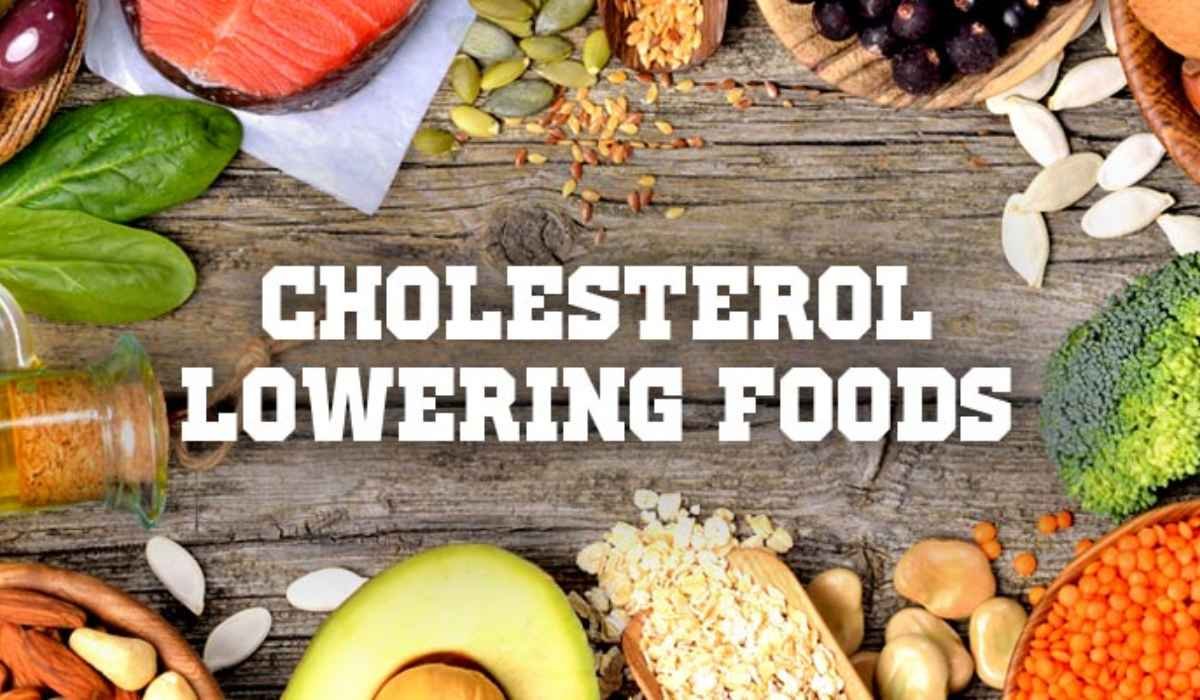
Foods to Include for Lower LDL Cholesterol:
Fruits and Vegetables – Rich in fiber, antioxidants, and heart-friendly nutrients
Whole Grains – Oats, quinoa, brown rice, and whole wheat products help reduce cholesterol absorption
Healthy Fats – Avocados, nuts, seeds, and olive oil provide heart-protective unsaturated fats
Lean Proteins – Fish, skinless poultry, tofu, and legumes support heart health without raising cholesterol
Plant-Based Sterols – Found in fortified foods like orange juice and certain margarines, they block cholesterol absorption
Foods to Avoid That Increase LDL Cholesterol:
Trans Fats – Found in processed foods, baked goods, and fried items
Saturated Fats – Present in red meat, full-fat dairy, and butter
Refined Carbohydrates – White bread, sugary cereals, and pastries raise cholesterol levels
Excess Salt and Sugar – Lead to high blood pressure and inflammation
By focusing on a balanced, nutrient-rich diet, you can naturally lower LDL cholesterol and prevent plaque formation.
2. Engage in Regular Physical Activity
Exercise is one of the most effective ways to boost heart health and lower LDL cholesterol levels. Physical activity helps increase HDL (high-density lipoprotein) cholesterol, known as “good cholesterol,” which removes excess LDL from the bloodstream.
Best Exercises for Cholesterol Control:
Aerobic Exercises: Walking, jogging, cycling, swimming, and dancing help improve circulation and heart function
Strength Training: Lifting weights or resistance exercises build muscle and reduce body fat, which can lower LDL levels
Flexibility Workouts: Yoga and stretching exercises enhance overall cardiovascular function and reduce stress
Aim for at least 150 minutes of moderate exercise or 75 minutes of vigorous exercise weekly for optimal cholesterol management.
3. Maintain a Healthy Weight to Reduce LDL Cholesterol
Excess weight, especially belly fat, contributes to higher LDL cholesterol levels and plaque formation. Losing even 5-10% of body weight can significantly improve cholesterol levels and overall heart health.
Tips to Achieve a Healthy Weight:
Eat smaller portions and focus on nutrient-dense foods
Reduce sugar and processed food intake
Stay hydrated and drink plenty of water
Practice mindful eating and avoid emotional overeating
Set realistic weight loss goals and track progress regularly
By maintaining a healthy weight, you can effectively reduce LDL cholesterol and lower the risk of arterial plaque buildup.
4. Quit Smoking and Reduce Alcohol Consumption
Smoking damages blood vessels, lowers good cholesterol, and accelerates plaque formation. If you smoke, quitting is one of the best things you can do for your heart health.
Benefits of Quitting Smoking for Cholesterol Control:
Improves HDL cholesterol levels
Reduces inflammation and artery damage
Lowers the risk of heart disease and stroke
Similarly, excessive alcohol consumption can negatively impact cholesterol levels. Limit alcohol intake to one drink per day for women and two drinks per day for men to maintain heart health.
5. Manage Stress to Lower Cholesterol Levels
Chronic stress contributes to high LDL cholesterol and increases the risk of heart disease. When stressed, people often engage in unhealthy habits like overeating, smoking, or excessive drinking.
Effective Stress Management Techniques:
Practice deep breathing and meditation to promote relaxation
Engage in hobbies like reading, gardening, or painting
Exercise regularly to release endorphins and reduce stress hormones
Get enough sleep to support overall heart health
Connect with loved ones to maintain emotional well-being
By managing stress effectively, you can prevent unhealthy behaviors that raise cholesterol levels and harm your heart.
6. Take Natural Supplements to Support Cholesterol Control
Several natural supplements can help reduce LDL cholesterol and improve heart health. Always consult your doctor before adding supplements to your routine.
Best Natural Supplements for Lowering LDL Cholesterol:
Omega-3 Fatty Acids: Found in fish oil, flaxseeds, and walnuts, they reduce inflammation and lower cholesterol
Garlic Extract: Known for its cholesterol-lowering and heart-protective properties
Niacin (Vitamin B3): Helps raise good cholesterol and lower LDL
Plant Sterols and Stanols: Block cholesterol absorption in the intestines
Soluble Fiber (Psyllium Husk): Reduces LDL cholesterol and supports digestion
Including these supplements along with a healthy diet and lifestyle can help maintain optimal cholesterol levels.
7. Get Regular Health Check-Ups and Monitor Cholesterol Levels
Regular cholesterol checks are essential to track progress and detect potential heart risks early.
Key Cholesterol Tests to Monitor:
LDL Cholesterol: Should be kept below 100 mg/dL for a healthy heart
HDL Cholesterol: Should be above 60 mg/dL for heart protection
Total Cholesterol: Ideally below 200 mg/dL
Triglycerides: Should be under 150 mg/dL to prevent heart complications
Schedule a cholesterol test at least once a year and consult your doctor for personalized advice on managing cholesterol effectively.
Final Thoughts: Take Charge of Your Heart Health Today
Cholesterol control is essential for a healthy heart and a longer life. By following these seven steps, you can reduce LDL cholesterol, prevent plaque formation, and improve overall cardiovascular health.
Key Takeaways:
✅ Eat a heart-healthy diet rich in fiber and healthy fats
✅ Engage in regular exercise to boost HDL cholesterol
✅ Maintain a healthy weight to prevent cholesterol buildup
✅ Quit smoking and limit alcohol consumption
✅ Manage stress effectively to prevent cholesterol spikes
✅ Consider natural supplements to support cholesterol control
✅ Get regular cholesterol check-ups to monitor your progress
By making these lifestyle changes, you can lower cholesterol naturally and protect your heart for years to come. Start today and take the first step toward a healthier future!