Congestive heart failure (CHF) is a progressive condition that affects the heart’s ability to pump blood effectively. Understanding the 4 stages of congestive heart failure can help individuals recognize symptoms early, seek appropriate treatment, and improve their quality of life.
4 Stages of Congestive Heart Failure Explained Clearly
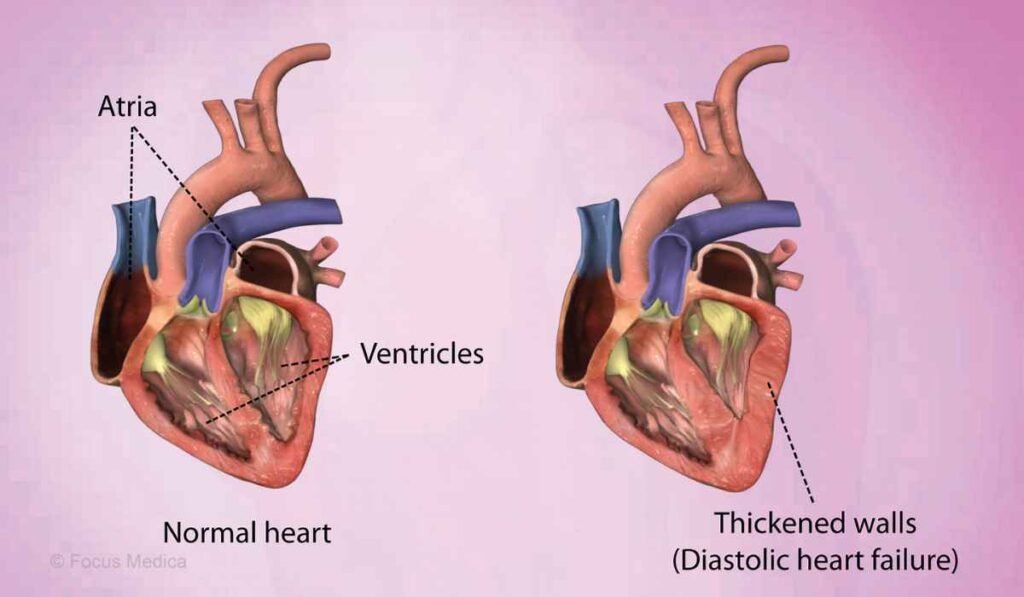
In this detailed guide, we will explore:
The four stages of congestive heart failure
Symptoms at each stage
Treatment options
Lifestyle changes to improve heart health
By the end of this article, you’ll have a comprehensive understanding of CHF and how to manage it effectively.
What Is Congestive Heart Failure?
Congestive heart failure occurs when the heart cannot pump enough blood to meet the body’s needs. This leads to fluid buildup, causing symptoms like shortness of breath, fatigue, and swelling in the legs and ankles.
Causes of Congestive Heart Failure
Several factors contribute to CHF, including:
✔️ High blood pressure (Hypertension) – Puts extra strain on the heart.
✔️ Coronary artery disease (CAD) – Blocks blood flow to the heart muscle.
✔️ Heart attacks (Myocardial infarction) – Damage heart tissue, reducing efficiency.
✔️ Diabetes – Increases the risk of heart disease.
✔️ Obesity and an inactive lifestyle – Weaken heart function over time.
Now, let’s explore the four stages of congestive heart failure, their symptoms, and available treatment options.
The 4 Stages of Congestive Heart Failure
The American College of Cardiology (ACC) and the American Heart Association (AHA) classify CHF into four stages: A, B, C, and D. These stages help doctors determine the severity of heart failure and the best treatment approach.
🔹 Stage A: High Risk but No Symptoms
At Stage A of congestive heart failure, a person is at high risk of developing heart failure but does not have symptoms yet. This stage is also known as pre-heart failure.
Risk Factors in Stage A
High blood pressure
Diabetes
Obesity
Family history of heart disease
Excessive alcohol consumption
Smoking
Treatment and Lifestyle Changes for Stage A
✅ Control blood pressure – Maintain a reading below 120/80 mmHg.
✅ Manage diabetes – Keep blood sugar levels in check.
✅ Quit smoking and limit alcohol – Reduce cardiovascular risks.
✅ Exercise regularly – At least 30 minutes of moderate activity daily.
✅ Eat a heart-healthy diet – Low in salt, processed foods, and unhealthy fats.
🔹 Key Takeaway: At this stage, preventive measures can help slow disease progression and reduce the risk of heart failure.
🔹 Stage B: Structural Changes but No Symptoms
At Stage B of congestive heart failure, heart abnormalities begin to appear, but symptoms are still absent. This stage is diagnosed through medical tests like echocardiograms or MRIs.
Common Causes of Stage B CHF
Previous heart attack
Heart valve disease
Enlarged heart (cardiomyopathy)
Symptoms of Stage B CHF
None initially
Some people may experience mild fatigue during physical activity.
Treatment Options for Stage B CHF
🏥 Medications:
ACE inhibitors or ARBs – Reduce strain on the heart.
Beta-blockers – Slow the heart rate and improve heart function.
💡 Lifestyle Recommendations:
Continue Stage A lifestyle changes.
Monitor blood pressure and cholesterol closely.
🔹 Key Takeaway: At this stage, early medical intervention can prevent Stage C heart failure.
🔹 Stage C: Symptoms Begin to Appear
At Stage C of congestive heart failure, patients start experiencing symptoms due to heart dysfunction. This is the most commonly diagnosed stage of CHF.
Symptoms of Stage C CHF
📌 Shortness of breath (even during rest).
📌 Swelling in legs, feet, and abdomen.
📌 Frequent fatigue and weakness.
📌 Persistent cough (often with pink mucus).
📌 Increased nighttime urination.
Treatment for Stage C CHF
🩺 Medications:
✔️ Diuretics – Help reduce fluid buildup.
✔️ Aldosterone antagonists – Protect heart tissue.
✔️ Digoxin – Helps the heart pump more efficiently.
🛑 Lifestyle Adjustments:
✅ Reduce sodium intake – Keep it under 1,500 mg/day.
✅ Track daily weight – Sudden weight gain signals fluid buildup.
✅ Elevate legs when sitting – Reduces swelling.
🔹 Key Takeaway: At this stage, symptom management and lifestyle modifications become crucial.
🔹 Stage D: Severe Heart Failure
Stage D of congestive heart failure is the most advanced stage, where symptoms become severe and life-threatening. Patients struggle with daily activities and may require advanced treatments.
Symptoms of Stage D CHF
⚠️ Constant shortness of breath, even at rest.
⚠️ Severe swelling in legs and abdomen.
⚠️ Frequent hospitalizations due to heart complications.
Treatment Options for Stage D CHF
🏥 Advanced Therapies:
🔹 Heart transplant – Suitable for eligible candidates.
🔹 Ventricular assist device (VAD) – Helps the heart pump blood.
🔹 Hospice or palliative care – For symptom relief and quality of life.
🔹 Key Takeaway: Aggressive treatment is necessary to manage symptoms and improve life expectancy.
Preventing the Progression of Congestive Heart Failure
To prevent or slow down the progression of CHF:
✔️ Monitor blood pressure and cholesterol regularly.
✔️ Follow a low-sodium, heart-healthy diet.
✔️ Exercise moderately to keep your heart strong.
✔️ Take prescribed medications consistently.
✔️ Avoid smoking, alcohol, and excessive caffeine.
Final Thoughts on the 4 Stages of Congestive Heart Failure
Understanding the 4 stages of congestive heart failure can help you take proactive steps toward better heart health. Early detection and management play a crucial role in preventing serious complications.
✔️ Stage A and B: Focus on prevention and lifestyle changes.
✔️ Stage C: Manage symptoms with medications and diet.
✔️ Stage D: Advanced treatments and supportive care become essential.
By making healthy choices today, you can protect your heart and improve your overall quality of life. 💙
Frequently Asked Questions (FAQs)
1. Can congestive heart failure be reversed?
While CHF is a progressive condition, early intervention and lifestyle changes can slow its progression and improve quality of life.
2. How long can you live with Stage C heart failure?
With proper treatment and lifestyle adjustments, many people live for years with Stage C CHF.
3. What is the best diet for heart failure patients?
A low-sodium, high-fiber diet with lean proteins, fruits, vegetables, and whole grains is best.