Oman, the jewel of the Arabian Peninsula, is a country steeped in history, natural beauty, and rich traditions. It offers a unique blend of ancient heritage, modern development, and breathtaking landscapes. Whether you’re planning to visit or simply curious about this fascinating country, here are 10 essential things to know about Oman. Oman Travel Guide
Oman Travel Guide
1. Oman is One of the Oldest Independent States in the Arab World
Oman has a long history of independence compared to many of its neighboring countries. Unlike other Gulf nations, Oman was never colonized and has maintained its sovereignty for centuries. The country was ruled by the Al Said dynasty since 1744, and Sultan Qaboos bin Said’s leadership (1970-2020) played a crucial role in shaping modern Oman.
2. A Land of Diverse Landscapes
Oman is famous for its diverse topography, including:
- Deserts: The Wahiba Sands offers stunning dunes and an authentic Bedouin experience.
- Mountains: Jebel Shams, the ‘Grand Canyon of Arabia,’ and Jebel Akhdar are breathtakingly beautiful.
- Coastal Beauty: Oman has over 3,000 km of coastline with pristine beaches, rugged cliffs, and stunning fjords in the Musandam Peninsula.
- Wadis: Natural valleys like Wadi Shab and Wadi Bani Khalid offer crystal-clear pools and lush greenery.
3. Rich Cultural Heritage & Traditions
Omani culture is deeply rooted in Bedouin traditions and maritime history. The people of Oman take great pride in their customs, which include:
- Frankincense Trade: Oman was a significant hub for the ancient frankincense trade, and the UNESCO-listed Land of Frankincense in Salalah showcases its historical importance.
- Traditional Clothing: Men wear the dishdasha (a long white robe) and women often wear vibrant, intricately embroidered dresses.
- Hospitality: Omanis are known for their warm hospitality, often welcoming guests with dates and kahwa(Omani coffee).
4. Oman’s Economy is Diversifying Beyond Oil
While Oman has been reliant on oil exports, it is actively diversifying its economy through:
- Tourism: The government is promoting eco-tourism, heritage tourism, and adventure tourism.
- Agriculture & Fisheries: Omani dates, honey, and seafood are some of the finest in the region.
- Renewable Energy: Oman is investing in solar and wind energy projects to reduce dependency on fossil fuels.
5. Muscat: The Capital City with a Unique Charm
Unlike the towering skyscrapers of Dubai or Doha, Muscat has preserved its traditional charm. Some must-visit places include:
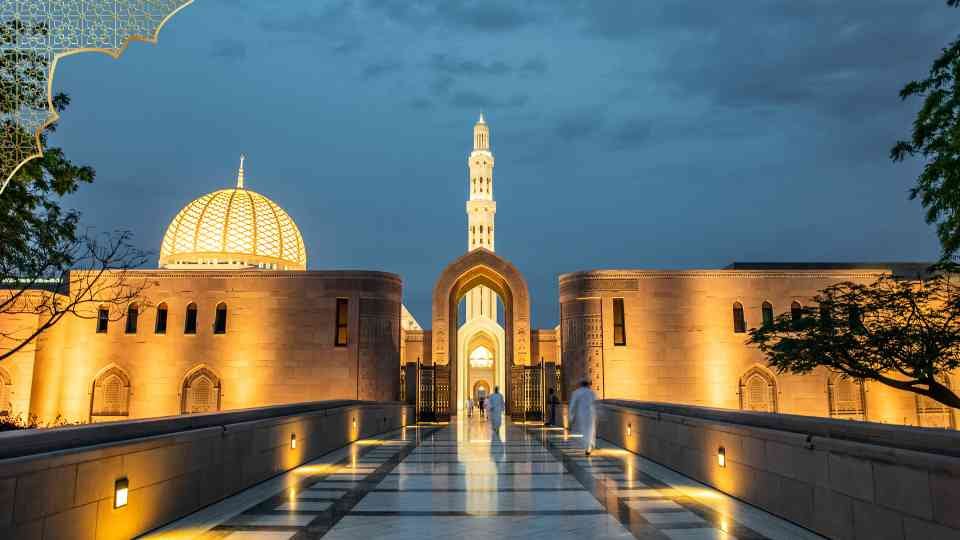
- Sultan Qaboos Grand Mosque – A masterpiece of Islamic architecture.
- Mutrah Souq – A bustling traditional market where you can buy Omani souvenirs.
- Al Jalali and Al Mirani Forts – Historic forts with stunning views of the city.
- Royal Opera House Muscat – A hub for arts, culture, and music.
6. Oman is One of the Safest Countries in the World
Oman is consistently ranked among the safest countries in the Middle East. Crime rates are low, and Omanis are known for their respect and friendliness toward locals and tourists alike. It is a politically stable nation with a peaceful atmosphere, making it ideal for travelers and expats.
7. A Paradise for Adventure Seekers
For those who love adventure, Oman has something to offer for everyone:
- Dune Bashing in Wahiba Sands
- Scuba Diving in Daymaniyat Islands
- Hiking in Jebel Shams
- Caving in Majlis al Jinn, one of the largest caves in the world
- Dolphin Watching in Musandam
8. Omani Cuisine is Flavorful and Unique
Omani food is a blend of Arabic, Persian, Indian, and African influences. Some must-try dishes include:
- Shuwa – Slow-cooked lamb marinated in Omani spices, wrapped in banana leaves, and cooked underground for up to 48 hours.
- Majboos – A spiced rice dish similar to biryani, often served with meat or seafood.
- Mashuai – A delicious grilled kingfish dish served with rice and lemon sauce.
- Halwa – A sweet, gelatinous dessert flavored with rose water, saffron, and nuts.
9. Oman Has Strict Laws but is Culturally Respectful
Oman follows Islamic traditions, and visitors should respect local customs and laws. Some key points to remember:
- Dress modestly, especially in public places and religious sites.
- Avoid public displays of affection, as it is considered inappropriate.
- Alcohol consumption is regulated – It is available in licensed hotels and restaurants but not in public spaces.
- Ramadan Etiquette – During Ramadan, eating, drinking, and smoking in public during daylight hours is not allowed.
10. Best Time to Visit Oman
The best time to visit Oman is from October to April, when the weather is cooler and pleasant for outdoor activities. The summer months (May to September) can be extremely hot, especially in desert areas. If visiting during the monsoon season, Salalah transforms into a green paradise, attracting many tourists.
Conclusion
Oman is a hidden gem in the Middle East, offering an incredible blend of history, culture, adventure, and natural beauty. Whether you’re drawn by its mesmerizing landscapes, rich heritage, or warm hospitality, Oman is a destination that will leave you enchanted. If you’re planning a trip, be sure to explore beyond the capital and experience the diverse wonders this country has to offer.
Have you been to Oman? Share your experiences in the comments below!