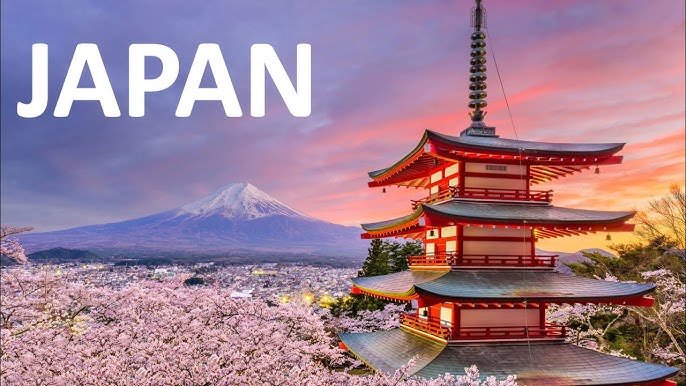
Japan is a fascinating country that blends ancient traditions with cutting-edge technology. Whether you’re visiting for the first time or planning an extended stay, knowing a few essential things can help you make the most of your trip. This country travel guide will cover 10 things to know about Japan, including cultural etiquette, transportation tips, food, and unique experiences.
10 Things to Know About Japan – A Complete Country Travel Guide

1. Japan’s Culture is Deeply Rooted in Tradition
One of the first things to know about Japan is that tradition and modernity coexist beautifully. From centuries-old shrines to futuristic cities, Japan maintains a balance between the old and the new.
Key cultural aspects:
Bowing is a common way of greeting and showing respect.
Shoes must be removed before entering homes and some restaurants.
Silence is valued in public places, especially on trains.
Gift-giving is an important part of Japanese etiquette.
Understanding these customs will help you blend in and show respect for local traditions.
2. Public Transportation is Efficient but Complex
Japan’s transportation system is world-famous for its efficiency, but it can also be overwhelming for first-time visitors.
Important travel tips:
Get a Japan Rail Pass – It offers unlimited travel on JR trains, including the Shinkansen (bullet train).
Use IC cards like Suica or Pasmo – These cards work on trains, buses, and even in convenience stores.
Follow train etiquette – Avoid talking loudly and set your phone to silent mode.
Taxis are expensive – Public transport is the best option for getting around.
Navigating Japan’s transport system is easier when you plan ahead.
3. Japan is a Cash-Oriented Society
While Japan is technologically advanced, cash is still king. Many small restaurants, temples, and rural shops do not accept credit cards.
Money tips:
Always carry cash, especially when visiting smaller towns.
ATMs in convenience stores like 7-Eleven and FamilyMart accept foreign cards.
Some major shopping centers and hotels accept credit cards, but it’s best to confirm beforehand.
Having enough yen on hand will make your trip smoother.
4. Japanese Cuisine Goes Beyond Sushi
Japanese food is incredibly diverse, offering much more than just sushi and ramen. Each region has its own specialty, and food culture is a major part of any trip to Japan.
Must-try Japanese dishes:
Okonomiyaki – A savory pancake filled with ingredients like seafood and cabbage.
Takoyaki – Octopus-filled batter balls, popular in Osaka.
Kaiseki – A multi-course traditional meal, often served in ryokan (Japanese inns).
Wagyu Beef – High-quality, marbled beef known for its tenderness.
Exploring Japan’s local food scenes will enhance your travel experience.
5. Convenience Stores are a Traveler’s Best Friend
Japan’s convenience stores (konbini) offer a wide range of useful products, making them a lifesaver for travelers.
Why you’ll love konbini:
Freshly prepared meals, including onigiri (rice balls) and bento boxes.
ATMs that accept international cards.
Free WiFi in many locations.
Essential toiletries and travel supplies.
Stopping by a konbini can save time and money during your trip.
6. Japan’s Seasonal Beauty is Stunning
Japan offers breathtaking landscapes that change with the seasons. Depending on when you visit, you’ll see a completely different side of the country.
Best seasons to visit Japan:
Spring (March-May): Cherry blossoms (sakura) bloom, covering the country in pink.
Summer (June-August): Festivals (matsuri) and fireworks displays are held across Japan.
Autumn (September-November): Vibrant red and gold foliage creates stunning scenery.
Winter (December-February): Perfect for skiing in Hokkaido or seeing snow monkeys in Nagano.
Planning your visit according to the season can help you experience Japan at its best.
7. Japan is Extremely Safe for Travelers
Japan consistently ranks as one of the safest countries in the world, making it an ideal destination for solo travelers and families.
Safety tips:
Crime rates are low, and lost items are often returned.
Public transport is secure, even at night.
Emergency services are reliable and efficient.
Still, always exercise common sense and be aware of local laws.
8. There is No Tipping in Japan
Unlike in many Western countries, tipping is not a common practice in Japan. In fact, offering a tip may confuse or even offend some service workers.
What to do instead:
Simply express gratitude by saying “Arigato gozaimasu” (Thank you very much).
Exceptional service can be acknowledged with a small gift instead of money.
Many restaurants include a service charge in the bill.
Understanding this cultural difference will help you avoid awkward situations.
9. Japanese Temples and Shrines Have Specific Etiquette
Visiting temples and shrines is a must when in Japan, but it’s essential to follow the correct etiquette.
Proper shrine and temple etiquette:
Purify your hands at the entrance using the water ladles.
Bow before entering and leaving a shrine.
Avoid loud conversations and photography where prohibited.
If making an offering, toss a coin into the offering box and bow twice.
Respecting these customs ensures a meaningful and respectful visit.
10. Japan Offers Unique Accommodation Experiences
Japan provides a wide variety of accommodations, from luxury hotels to traditional ryokan stays.
Where to stay in Japan:
Ryokan: Traditional Japanese inns with tatami mats and futons.
Capsule hotels: Budget-friendly, space-efficient sleeping pods.
Minshuku: Family-run guesthouses offering a homely experience.
Love hotels: Uniquely themed accommodations often rented by the hour.
Trying different accommodation types can make your trip more memorable.
Final Thoughts on This Japan Travel Guide
Now that you know these 10 things about Japan, you’ll be well-prepared to explore the country with confidence. Whether you’re navigating the bustling streets of Tokyo, savoring Kyoto’s historic charm, or relaxing in an onsen, Japan offers something for every traveler.
By keeping these Japan travel tips in mind, you can fully immerse yourself in the culture and make the most of your trip. Enjoy your journey through this incredible country!
For expert digital marketing services, contact Guruji Sunil Chaudhary, Founder of JustBaazaar. Email: sunil@justbaazaar.com. 🚀
Top 20 FAQs about Japan, covering travel, culture, food, and essential tips.
1. What is the best time to visit Japan?
The best time to visit Japan depends on your preferences:
Spring (March-May): Cherry blossoms in full bloom.
Summer (June-August): Festivals and fireworks.
Autumn (September-November): Stunning fall foliage.
Winter (December-February): Great for skiing and snow experiences.
2. Do I need a visa to visit Japan?
It depends on your nationality. Citizens from many countries (like the US, UK, EU nations) can enter Japan visa-free for up to 90 days. Check Japan’s immigration website for the latest requirements.
3. What is the currency in Japan?
Japan’s currency is the Japanese Yen (JPY, ¥). Credit cards are accepted in cities, but cash is preferred in rural areas and small shops.
4. Is Japan expensive for tourists?
Japan can be both budget-friendly and luxurious. Staying in hostels, capsule hotels, and eating at convenience stores can save money. Transport and accommodation are the biggest expenses.
5. How do I get around Japan?
Trains & Subways: Best way to travel within and between cities.
Japan Rail Pass: Great for tourists traveling long distances.
IC Cards (Suica/Pasmo): Useful for trains, buses, and even shopping.
Taxis: Expensive but available 24/7.
Buses: Cheaper but slower than trains.
6. Do people in Japan speak English?
English is not widely spoken, but major tourist spots have English signs. Learning basic Japanese phrases like “Arigato” (Thank you) and “Sumimasen” (Excuse me) can be helpful.
7. What should I pack for Japan?
Comfortable shoes – You’ll walk a lot.
Cash – Not all places accept credit cards.
Weather-appropriate clothing – Seasons vary significantly.
Power adapter (Type A/B, 100V) – Japanese plugs differ from European ones.
8. What are must-try foods in Japan?
Sushi & Sashimi – Raw fish with rice.
Ramen – Noodles in broth, varies by region.
Okonomiyaki – Japanese savory pancake.
Takoyaki – Octopus-filled batter balls.
Wagyu Beef – Premium Japanese beef.
9. Is tipping expected in Japan?
No, tipping is not expected in Japan and can even be considered rude. Excellent service is standard, and some places include a service charge.
10. Are public restrooms free in Japan?
Yes, public toilets in Japan are free and very clean. Many have advanced bidets with multiple functions.
11. Is Japan safe for solo travelers?
Yes, Japan is one of the safest countries in the world. Crime rates are low, and public transport is secure, even at night.
12. What is the etiquette for visiting temples and shrines?
Purify hands at the entrance using a ladle.
Bow before entering and after leaving.
Avoid loud conversations and photography where restricted.
13. Can I drink tap water in Japan?
Yes, tap water in Japan is safe to drink everywhere.
14. How do I stay connected in Japan?
Pocket WiFi: Best for unlimited data.
SIM Cards: Available at airports and convenience stores.
Free WiFi: Available in cafes, hotels, and train stations.
15. What is the Japanese etiquette for dining?
Do not stick chopsticks upright in rice.
Slurping noodles is a sign of enjoyment.
Say “Itadakimasu” before eating and “Gochisousama” after finishing.
16. What are the best souvenirs to buy from Japan?
Matcha (Green tea) – A traditional Japanese drink.
Kimono or Yukata – Traditional Japanese clothing.
Japanese knives – World-famous for precision cutting.
Kit-Kat flavors – Unique flavors available only in Japan.
17. Are tattoos allowed in Japan?
Tattoos are still taboo in some places, especially onsen (hot springs) and swimming pools. Some locations allow tattoos, but it’s best to check before visiting.
18. Can I use my phone in Japan?
Yes, but you may need an unlocked phone and a local SIM card. Alternatively, rent a Pocket WiFi for better connectivity.
19. What should I avoid doing in Japan?
Do not talk loudly on public transport.
Avoid eating while walking in crowded areas.
Don’t tip in restaurants or taxis.
Respect personal space and queue properly.
20. How can I experience traditional Japan?
Stay in a ryokan (Japanese inn).
Visit Kyoto for its historic temples and geisha districts.
Participate in a tea ceremony.
Wear a kimono or yukata.
Top 20 FAQs About Japan’s Culture – Deeply Rooted in Tradition
Japan’s culture is a harmonious blend of ancient traditions and modern influences. Understanding Japanese customs enhances your travel experience and fosters respect for the country’s deep-rooted traditions. Here are the top 20 FAQs about Japan’s cultural heritage.
1. What are the core values of Japanese culture?
Japanese culture emphasizes:
Respect (Keigo & Bowing) – Essential in daily interactions.
Harmony (Wa) – Maintaining peace and group unity.
Discipline & Hard Work – Strong work ethic and dedication.
Politeness & Humility – Modesty and good manners are key.
2. Why is bowing (Ojigi) so important in Japan?
Bowing is a universal sign of respect in Japan. The deeper the bow, the more respect is shown. It is used for greetings, apologies, and gratitude.
3. What is the significance of Japanese tea ceremonies?
The Japanese tea ceremony (Sadō or Chado) is a ritualized way of serving matcha tea. It symbolizes harmony, respect, purity, and tranquility and is deeply connected to Zen Buddhism.
4. What is the importance of kimono in Japanese culture?
The kimono is Japan’s traditional attire, worn on formal occasions like weddings, tea ceremonies, and festivals. The yukata, a lighter cotton version, is worn in summer and at onsen (hot springs).
5. Why do Japanese people remove their shoes indoors?
In Japan, people remove shoes before entering homes, temples, and some restaurants to keep the indoors clean. They wear slippers inside and may have separate slippers for the toilet area.
6. What are Japan’s most important traditional festivals?
Shogatsu (New Year’s Day): The biggest celebration in Japan.
Setsubun (Bean-Throwing Festival): Wards off evil spirits.
Hanami (Cherry Blossom Viewing): Celebrates spring and renewal.
Gion Matsuri (Kyoto Festival): One of Japan’s oldest festivals.
Obon (Ancestor’s Festival): Honors deceased ancestors with lanterns and dances.
7. What is the meaning behind Japanese calligraphy (Shodō)?
Shodō is the art of Japanese calligraphy, where brush strokes are used to express emotion, spirituality, and discipline. It’s deeply tied to Zen philosophy.
8. Why is sumo wrestling considered a sacred sport in Japan?
Sumo wrestling is more than a sport—it has Shinto religious origins. Before a match, wrestlers purify the ring with salt, and many rituals are performed to honor the gods.
9. What role does religion play in Japanese culture?
Japan blends Shintoism (indigenous beliefs in nature spirits) and Buddhism. Many people visit shrines and temples for blessings, yet daily life remains largely secular.
10. What is the importance of samurai and bushido in Japanese history?
Samurai were Japan’s noble warriors who followed Bushido (The Way of the Warrior), a strict code of honor emphasizing loyalty, courage, and discipline. Their influence persists in modern ethics.
11. How does Japan celebrate weddings?
Traditional Japanese weddings include:
Shinto Ceremony: Bride wears a white kimono; rituals performed at a shrine.
Exchange of Saké (San-San-Kudo): The couple takes three sips each from three cups, symbolizing unity.
Western-style weddings are also common in Japan.
12. What is ikebana, and why is it important?
Ikebana is the Japanese art of flower arrangement, emphasizing minimalism, balance, and harmony with nature. It reflects Zen principles of mindfulness and simplicity.
13. What makes Japanese cuisine unique?
Japanese cuisine values seasonality, freshness, and presentation. Key characteristics include:
Umami (Fifth taste): Rich savory flavor in Japanese dishes.
Minimalism: Simple yet artfully arranged food.
Respect for Ingredients: Each component is honored for its natural taste.
14. What are Japan’s traditional performing arts?
Kabuki: Colorful, dramatic performances with elaborate costumes.
Noh Theatre: Slow, stylized plays with masks, rooted in Shinto rituals.
Bunraku: Traditional Japanese puppet theater.
15. Why is cherry blossom (Sakura) so important in Japan?
Cherry blossoms symbolize life’s fleeting nature and are associated with renewal, beauty, and impermanence (Buddhist philosophy). Hanami (flower viewing) is a cherished spring tradition.
16. What are Japan’s traditional houses like?
Traditional Japanese homes feature:
Tatami mats: Straw flooring used for sitting and sleeping.
Sliding doors (Shōji): Paper-covered panels for flexible space use.
Engawa (Veranda): A transition area between indoors and outdoors.
17. What is the Japanese work ethic like?
Japanese work culture values hard work, punctuality, and dedication. Many employees stay late out of loyalty, and lifetime employment was a tradition in some industries.
18. What is the meaning of Kintsugi?
Kintsugi is the Japanese art of repairing broken pottery with gold, embracing flaws and imperfections as part of an object’s history—a philosophy tied to wabi-sabi (finding beauty in imperfection).
19. How do Japanese people celebrate the New Year?
Hatsumode: First shrine visit of the year for blessings.
Osechi Ryori: Special dishes symbolizing prosperity.
Watching the first sunrise (Hatsuhinode): Welcoming the new year with hope.
20. How can visitors experience Japanese culture?
Stay in a ryokan (traditional inn) with tatami floors.
Participate in a tea ceremony.
Wear a kimono and explore Kyoto’s historic streets.
Visit shrines and temples for a spiritual experience.
Try onsen (hot springs) for relaxation.
Final Thoughts
Japan’s culture is a fascinating mix of ancient traditions and modern innovations. Understanding and respecting these customs will enhance your travel experience and allow you to fully appreciate the depth of Japanese heritage.
For expert digital marketing services, contact Guruji Sunil Chaudhary, Founder of JustBaazaar. Email: sunil@justbaazaar.com. 🚀
Top 20 FAQs About Public Transportation in Japan – Efficient but Complex
Japan’s public transportation system is known for its punctuality, efficiency, and extensive network. However, it can be complex for first-time visitors due to its multiple operators, ticketing systems, and unwritten rules. Below are the top 20 FAQs to help you navigate Japan’s transit system smoothly.
1. How efficient is Japan’s public transportation?
Japan’s public transportation is one of the best in the world. Trains and buses run on time, connections are well-organized, and delays are rare. The system is designed for convenience, speed, and safety.
2. What are the main types of public transportation in Japan?
Shinkansen (Bullet Train): High-speed trains connecting major cities.
JR Trains (Japan Railways): Regional and local rail services.
Private Railways: Additional rail lines run by private companies.
Subways & Metro: Found in major cities like Tokyo, Osaka, and Kyoto.
Buses: Useful in areas with no train access.
Taxis & Rideshares: Available but expensive compared to trains.
3. Is public transportation in Japan expensive?
It depends on the type of transport:
Shinkansen: Expensive but fast; a JR Pass can save money.
Local Trains & Subways: Affordable and efficient for city travel.
Buses: Cheaper than trains, but slower.
Taxis: Expensive due to high starting fares.
4. What is the Japan Rail Pass, and is it worth it?
The Japan Rail Pass (JR Pass) is a special discounted ticket for tourists, allowing unlimited travel on JR trains, including most Shinkansen. It’s ideal for long-distance travel but not cost-effective for short city trips.
5. How do I use IC cards like Suica and Pasmo?
IC cards are prepaid smart cards for trains, buses, and even shopping. You tap them at ticket gates for a contactless experience. Popular IC cards include:
Suica (Tokyo area)
Pasmo (Tokyo area)
ICOCA (Kansai area)
TOICA (Nagoya area)
They can be used nationwide and are refillable at stations and convenience stores.
6. How do I buy train or subway tickets in Japan?
You can purchase tickets from:
Ticket machines (available in English)
Station counters for long-distance trips
IC cards, which eliminate the need for tickets
JR Pass, which requires activation at designated offices
7. Do Japanese trains and subways have English signs?
Yes, major cities have English signs, announcements, and maps. In rural areas, English information may be limited, but Google Maps or train apps can help.
8. Are Japanese trains really that punctual?
Yes, Japan’s trains are famous for their precision. A delay of even a few seconds can result in an apology. If trains are late by 5 minutes or more, passengers receive a delay certificate for work or school.
9. What should I know about rush hour in Japan?
Rush hours are typically:
Trains are extremely crowded, especially in Tokyo and Osaka. If possible, avoid traveling during these times.
10. Can I talk on my phone in public transportation?
No, talking on phones is considered rude on trains and buses. Instead, put your phone on silent mode (manner mode) and text quietly if necessary.
11. Do Japanese trains have reserved and non-reserved seats?
Yes, Shinkansen and some express trains have:
Reserved Seats (Shiteiseki): Requires an additional reservation.
Non-Reserved Seats (Jiyūseki): First-come, first-served.
Green Cars: First-class seating with extra space and comfort.
Local trains and subway systems do not require seat reservations.
12. Is it easy to navigate Japanese train stations?
Major stations can be huge and confusing, with multiple exits and lines. To navigate efficiently:
Use Google Maps or apps like Hyperdia.
Follow color-coded signs.
Arrive early to avoid rushing.
13. Are there women-only train cars?
Yes, during rush hours, some trains have women-only cars to prevent overcrowding issues. Look for pink signs on platforms and train doors.
14. How do I find out the last train or bus timing?
Most trains and subways stop around midnight, while buses may stop earlier. Check:
Google Maps
Station Timetables
Japan Transit Apps
15. Are taxis a good alternative to public transportation?
Taxis are reliable but expensive. They can be useful for late-night travel when trains stop running. Taxis in Japan:
16. How do I use buses in Japan?
In Tokyo & major cities: Board at the front and pay when entering.
In rural areas: Board at the back, take a ticket, and pay when exiting.
Use IC cards for easy payment.
17. Are there luggage restrictions on trains and buses?
Shinkansen allows large suitcases, but oversized luggage requires a reservation.
Some subway stations lack elevators, making it difficult to carry heavy bags.
Coin lockers are available at major stations for storage.
18. Can I eat and drink on public transportation?
Shinkansen & long-distance trains: Eating is common and allowed.
Local trains & subways: Eating is discouraged, but drinking water or coffee is acceptable.
19. What are some etiquette rules on public transportation?
Stand on the correct side of the escalator (left in Tokyo, right in Osaka).
Do not block train doors.
Offer seats to the elderly, pregnant women, and disabled passengers.
Keep noise levels low.
20. What’s the best way to plan routes in Japan?
Use these apps for smooth navigation:
Google Maps – Real-time transit updates.
Japan Transit Planner (Jorudan) – Best for train schedules.
Hyperdia – Great for Shinkansen routes.
Final Thoughts
Japan’s public transportation is efficient, reliable, and well-maintained, but navigating it can be complex. With a bit of preparation and the right apps, you can travel stress-free and like a local.
Need more tips on getting around Japan? Ask away! 🚄🇯🇵
Top 20 FAQs About Japan’s Cash-Oriented Society
Japan is known for its technological advancements, but when it comes to payments, cash is still king. Despite the rise of digital payments, many businesses, small restaurants, and rural establishments still prefer cash transactions. Here are the top 20 FAQs to help you navigate Japan’s cash-based culture.
1. Why is Japan still a cash-oriented society?
Japan’s preference for cash is due to:
A low crime rate, making cash handling safe.
A strong tradition of physical money usage.
Small businesses avoiding credit card fees.
A trust in tangible transactions over digital payments.
2. Is it possible to travel in Japan using only a credit card?
While major hotels, department stores, and chain restaurants accept credit cards, small shops, local eateries, and rural areas may not. It’s best to carry enough cash for everyday expenses.
3. How much cash should I carry in Japan?
For a smooth experience:
¥10,000–¥20,000 ($70–$140) per day is enough for meals, transport, and small purchases.
For big purchases, a credit card can be used at department stores and major retailers.
4. Where can I withdraw cash in Japan?
You can withdraw yen from:
7-Eleven ATMs (24/7, accepts foreign cards).
Post Office ATMs (available nationwide).
Major bank ATMs (some accept international cards).
5. Do Japanese ATMs accept foreign credit and debit cards?
Not all ATMs accept foreign cards. The best options are:
7-Eleven ATMs (accepts Visa, MasterCard, Amex, and more).
Japan Post Bank ATMs (found in post offices).
Aeon Bank ATMs (in Aeon malls and stores).
6. What is the maximum amount I can withdraw from an ATM?
Most ATMs have a withdrawal limit of:
¥50,000 to ¥100,000 per transaction ($350–$700).
Some ATMs allow multiple withdrawals if needed.
7. Are contactless payments like Apple Pay or Google Pay widely accepted?
Contactless payments are growing in popularity, but they are mainly accepted at:
Convenience stores (7-Eleven, FamilyMart, Lawson).
Supermarkets and chain restaurants.
Some taxis and vending machines.
However, many small businesses and older vending machines still prefer cash.
8. Can I use my credit card to buy a train ticket?
Shinkansen (Bullet Train): Credit cards are accepted at ticket counters and vending machines.
Local Trains & Subways: Some stations accept credit cards, but IC cards like Suica or Pasmo are better for convenience.
9. What are IC cards, and can they replace cash?
IC cards (Suica, Pasmo, ICOCA) are prepaid smart cards used for:
Public transport (trains, buses, subways).
Small purchases at convenience stores and vending machines.
Some restaurants and shops.
However, IC cards cannot fully replace cash, as many businesses still don’t accept them.
10. Do taxis in Japan accept credit cards?
Some taxis accept credit cards, but many prefer cash. To be safe:
Ask the driver before getting in.
Have small bills ready for short trips.
Look for taxis with a credit card sticker on the window.
11. Are restaurants in Japan cash-only?
Many local restaurants, ramen shops, and izakayas are cash-only. However, chain restaurants and high-end dining establishments usually accept credit cards.
12. Can I use USD, Euros, or other foreign currency in Japan?
No, Japan only accepts Japanese yen (JPY) for transactions. Foreign currencies are not accepted at stores or restaurants.
13. Where can I exchange money in Japan?
The best places to exchange money are:
Airport currency exchange counters.
Major banks (Mitsubishi UFJ, SMBC, Mizuho).
Post offices and some hotels.
Currency exchange kiosks in big cities (e.g., Travelex).
ATMs are often the best option for getting yen at good exchange rates.
14. Are there fees for using foreign cards at Japanese ATMs?
Yes, many ATMs charge a small fee for withdrawals. Fees vary depending on:
15. Do vending machines and convenience stores accept credit cards?
Vending Machines: Most still only accept cash and IC cards.
Convenience Stores (Konbini): Accept cash, IC cards, and credit cards.
16. How can I pay at temples, shrines, and street markets?
Temples and Shrines: Donations and entrance fees are usually cash-only.
Street Markets & Food Stalls: Most require cash, although some larger vendors may accept IC cards.
17. Can I tip in Japan with cash or card?
Japan has a no-tipping culture. If you leave a tip, it may be refused. Instead, show appreciation by:
18. What should I do if I run out of cash in Japan?
Find a 7-Eleven ATM, as it accepts most international cards.
Visit a money exchange counter.
Use your credit card at large stores and restaurants.
19. Are digital wallets like PayPay, LINE Pay, or Rakuten Pay useful?
These digital wallets are popular among locals but require a Japanese bank account to use fully. They are not ideal for tourists.
20. Will Japan become a cashless society in the future?
Japan is slowly embracing cashless payments, especially in cities. However, rural areas and small businesses still rely heavily on cash. Until a full transition happens, it’s best to carry cash while traveling.
Final Thoughts
While Japan is modern in many ways, cash remains the primary payment method, especially in smaller businesses and rural areas. To have a hassle-free trip, always carry enough yen, and use credit cards or IC cards when possible.
Top 20 FAQs About Japanese Cuisine Beyond Sushi
When people think of Japanese food, sushi is often the first dish that comes to mind. However, Japan offers an incredibly diverse and flavorful cuisine that extends far beyond sushi. From hearty ramen to delicate tempura, here are the top 20 FAQs about Japanese cuisine that will help you explore its rich culinary world.
1. What are the most popular Japanese dishes besides sushi?
Japan has a variety of delicious dishes, including:
Ramen – Noodle soup with rich broth and toppings.
Tempura – Lightly battered and deep-fried seafood/vegetables.
Okonomiyaki – Savory Japanese pancake with various ingredients.
Takoyaki – Fried octopus balls with toppings.
Kaiseki – Traditional multi-course Japanese meal.
2. What is the difference between ramen and udon?
Ramen: Thin, curly noodles served in a flavored broth (soy, miso, shoyu, tonkotsu).
Udon: Thick, chewy wheat noodles, often served in a lighter soy-based broth.
3. What are the different types of ramen in Japan?
Japan has regional ramen varieties, including:
Shoyu Ramen – Soy sauce-based broth.
Miso Ramen – Fermented soybean paste broth.
Tonkotsu Ramen – Rich pork bone broth.
Shio Ramen – Salt-based broth with a lighter taste.
4. What is tempura, and how is it different from other fried foods?
Tempura is a light, crispy, and airy deep-fried dish made with a special batter of flour, water, and egg. Unlike other deep-fried foods, tempura is fried at a lower temperature to maintain its delicate crunch.
5. What is the difference between okonomiyaki and takoyaki?
Okonomiyaki: A savory pancake made with cabbage, flour, eggs, and various toppings.
Takoyaki: Small, round, battered balls filled with octopus and topped with sauce.
6. What is yakitori, and where can I try it?
Yakitori is grilled skewered chicken, often seasoned with salt or tare (sweet soy sauce glaze). You can try it at:
7. What is a bento box, and what does it include?
A bento box is a Japanese packed meal that includes:
Bento boxes are commonly found in convenience stores, supermarkets, and train stations.
8. What is Kaiseki cuisine, and why is it special?
Kaiseki is a multi-course fine dining experience featuring seasonal ingredients and artistic presentation. It is often served at ryotei (traditional restaurants) and luxury ryokan inns.
9. What is the difference between soba and udon noodles?
Soba: Thin noodles made from buckwheat flour, served hot or cold.
Udon: Thick, chewy wheat noodles, often served in broth.
10. What is the proper way to eat Japanese food?
Use chopsticks correctly (never stick them into rice).
Slurping noodles is acceptable (it shows enjoyment).
Eat sushi in one bite for the best flavor.
Do not pour soy sauce directly on rice.
11. What are onigiri, and where can I buy them?
Onigiri are rice balls filled with ingredients like salmon, tuna, or pickled plum. They are available at:
12. What is natto, and why do people have mixed opinions about it?
Natto is fermented soybeans known for its strong smell, sticky texture, and unique flavor. While many Japanese people love it for its health benefits, others find its texture challenging.
13. What Japanese street foods should I try?
Some must-try street foods include:
Takoyaki – Octopus balls.
Taiyaki – Fish-shaped pastry with sweet filling.
Dango – Skewered rice dumplings.
Yakiimo – Roasted sweet potatoes.
14. What is the difference between sushi and sashimi?
Sushi: Vinegared rice with toppings like fish, egg, or vegetables.
Sashimi: Fresh, sliced raw fish, served without rice.
15. What is Japanese curry, and how is it different from Indian curry?
Japanese curry is thicker, sweeter, and milder than Indian curry. It is typically served with:
16. What is matcha, and why is it popular in Japan?
Matcha is finely ground green tea powder used in:
Traditional tea ceremonies.
Desserts (matcha ice cream, matcha cake).
Beverages (matcha latte).
17. What Japanese sweets should I try?
Some popular wagashi (traditional sweets) include:
Mochi – Sticky rice cakes.
Dorayaki – Pancake with red bean filling.
Manju – Sweet buns with various fillings.
18. What is the best way to experience traditional Japanese dining?
To experience authentic Japanese cuisine:
Visit a kaiseki restaurant for a multi-course meal.
Try a ryokan (Japanese inn) with traditional meals.
Eat at an izakaya (Japanese pub) for casual dining.
19. What is the difference between a sushi bar and a conveyor belt sushi restaurant?
20. What are the best places to try authentic Japanese food?
For the best Japanese food experience, visit:
Tsukiji Outer Market (Tokyo) – Fresh seafood and sushi.
Dotonbori (Osaka) – Famous for street food like takoyaki and okonomiyaki.
Kyoto’s Gion District – Traditional kaiseki and matcha desserts.
Local izakayas and ramen shops for an authentic taste.
Final Thoughts
Japanese cuisine is much more than sushi! From comforting ramen to crispy tempura, there’s an endless variety of delicious foods to try. Whether you’re exploring street food, enjoying kaiseki dining, or slurping a bowl of noodles, Japan’s culinary world will surprise and delight you.
Top 20 FAQs About Why Japan is Extremely Safe for Travelers
Japan is widely regarded as one of the safest countries in the world. Its low crime rate, efficient law enforcement, and strong cultural values make it an ideal destination for travelers. Whether you’re exploring vibrant cities like Tokyo and Osaka or visiting the countryside, safety is rarely a concern. Here are the top 20 FAQs about why Japan is extremely safe for travelers.
1. Is Japan really one of the safest countries in the world?
Yes, Japan consistently ranks as one of the safest countries globally, with low crime rates, minimal violent crime, and a strong sense of public security.
2. Is it safe to walk alone at night in Japan?
Yes, walking alone at night is generally safe, even in major cities like Tokyo and Kyoto. Streets are well-lit, and crime is rare. However, it’s always good to stay aware of your surroundings.
3. How is Japan’s crime rate compared to other countries?
Japan has one of the lowest crime rates in the world. Crimes like theft, assault, and robbery are far less common than in most Western countries.
4. Is Japan safe for solo female travelers?
Absolutely! Japan is one of the best countries for solo female travelers due to its low crime rate, women-only train cars, and respectful culture.
5. Are pickpockets common in Japan?
No, pickpocketing is rare in Japan. Even in crowded places like Shinjuku or Osaka’s Dotonbori, theft is not a major issue.
6. What should I do if I lose my belongings?
Japan has an honest culture, and lost items are often returned. If you lose something, visit the nearest police station (Koban) or check with the place where you lost it.
7. Is public transportation safe in Japan?
Yes, Japan’s public transportation is one of the safest in the world. Trains and subways have security cameras, station staff, and police patrols.
8. Is Japan safe for children and families?
Yes, Japan is extremely family-friendly. Many places cater to families, and crime against children is very rare.
9. Are natural disasters a risk in Japan?
Japan is prone to earthquakes, typhoons, and tsunamis, but the country has strict building codes, emergency drills, and warning systems to ensure safety.
10. Are there dangerous areas in Japan that tourists should avoid?
Japan has very few “dangerous” areas. However, some places like Kabukicho in Tokyo or Osaka’s Shinsekai have nightlife districts where scams or minor troubles might occur.
11. Is the Yakuza a danger to tourists?
No, the Yakuza (Japanese mafia) generally do not target tourists. They operate discreetly and focus on internal matters rather than public crime.
12. Are there scams targeting tourists in Japan?
Japan has very few tourist scams compared to other countries. However, in nightlife districts, beware of overpriced bars and aggressive touts.
13. Can I trust taxi drivers in Japan?
Yes, Japanese taxi drivers are honest and safe. They will not overcharge, and you don’t need to negotiate fares.
14. Are hotels and accommodations in Japan safe?
Yes, Japanese hotels, hostels, and ryokans maintain high safety and cleanliness standards. Theft in accommodations is extremely rare.
15. How safe are Japan’s rural areas?
Japan’s countryside and small towns are incredibly safe. Locals are friendly, and crime is virtually nonexistent in rural areas.
16. How does Japan handle emergencies?
Japan has an efficient emergency response system. Call 110 for police and 119 for ambulance/fire services. Many emergency operators speak English.
17. Is food safety a concern in Japan?
Not at all! Japan has strict food safety regulations, making it one of the safest places to eat. Street food, restaurants, and convenience store meals are all safe to consume.
18. Can I drink tap water in Japan?
Yes! Japan’s tap water is clean and safe to drink everywhere, including public fountains and restrooms.
19. How do Japanese people contribute to public safety?
Japanese society values respect and honesty. People return lost items, follow laws, and avoid public disturbances, making the country feel even safer.
20. What should I do if I feel unsafe in Japan?
If you ever feel unsafe, you can:
Enter a Koban (police box) for help.
Seek assistance at train stations or hotels.
Call 110 (police) or 119 (ambulance/fire) in emergencies.
Final Thoughts
Japan’s exceptional safety, low crime rate, and helpful culture make it one of the best travel destinations in the world. Whether you’re a solo traveler, female traveler, or family with kids, Japan offers a worry-free experience.
Have more safety questions? Ask away! 🇯🇵🚄✨
For expert digital marketing services, contact Guruji Sunil Chaudhary, Founder of JustBaazaar. Email: sunil@justbaazaar.com. 🚀
Top 20 FAQs About Japanese Temples and Shrines Etiquette
Japan is home to thousands of temples and shrines, each holding deep cultural and religious significance. When visiting, it’s important to follow proper etiquette to show respect and avoid unintentionally offending locals. Whether you’re exploring Kyoto’s famous Fushimi Inari Shrine or Tokyo’s Senso-ji Temple, knowing the right customs enhances your experience.
Here are the top 20 FAQs about Japanese temples and shrines etiquette.
1. What’s the difference between a temple and a shrine in Japan?
A shrine (Jinja) is associated with Shintoism, while a temple (Tera) belongs to Buddhism. Shrines have Torii gates, and temples have Buddhist statues and incense burners.
2. Is there a dress code when visiting a temple or shrine?
While there’s no strict dress code, modest attire is recommended. Avoid short skirts, revealing tops, or beachwear out of respect.
3. Should I bow before entering a temple or shrine?
Yes! At a Shinto shrine, bow once before entering the Torii gate and again before leaving. At Buddhist temples, bowing is optional but respectful.
4. Can I walk through the center of a Torii gate?
No, the center path is reserved for the gods. Always walk to the left or right when passing through a Torii gate.
5. How do I purify myself at a shrine’s water pavilion?
Use the temizuya (water pavilion) to cleanse your hands and mouth before praying:
Use the ladle to pour water on your left hand, then your right hand.
Pour water into your left hand, rinse your mouth, and spit it out (don’t drink from the ladle).
Rinse the ladle and return it face down.
6. How do I pray at a Shinto shrine?
Throw a coin (usually ¥5 or ¥10) into the offering box.
Bow twice deeply.
Clap twice to get the deity’s attention.
Make a silent prayer.
Bow once before leaving.
7. How do I pray at a Buddhist temple?
Throw a coin into the offering box.
Bow once and put your hands together in silent prayer (no clapping).
Bow once before leaving.
8. Can I take photos inside temples and shrines?
It depends! Some places allow photography, while others prohibit it. Always check for signs or ask permission before taking photos inside.
9. Is it okay to touch statues and sacred objects?
No, you should never touch religious statues, artifacts, or sacred objects unless it’s explicitly allowed, such as rubbing certain statues for good luck.
10. What should I do with incense at a Buddhist temple?
At some temples, you can buy incense (osenko) and place it in a large burner:
Light the incense, then wave it to extinguish the flame.
Place it in the burner.
Wave the smoke towards yourself for blessings and purification.
11. Are there any rules for entering temple buildings?
Yes, always remove your shoes before entering temple halls. Some places provide slippers, but walking in socks is acceptable too.
12. Can I make a wish at a shrine?
Yes! Many shrines sell Ema (wooden plaques) where visitors write their wishes and hang them for the gods to see.
13. What is an Omikuji, and how do I use it?
Omikuji are fortune slips that predict your future. After drawing one, if it’s bad luck, tie it to a special rack to leave the misfortune behind. If it’s good luck, keep it.
14. What do the red gates at Fushimi Inari mean?
The thousands of Torii gates at Fushimi Inari Shrine in Kyoto are donations from worshippers who wish for prosperity in business.
15. Can I bring food or drinks into temples and shrines?
No, eating or drinking inside sacred areas is disrespectful. Always finish snacks before entering.
16. Are there entry fees for temples and shrines?
Shinto shrines are free, but Buddhist temples often charge a small fee (usually ¥300-¥600) for maintenance and preservation.
17. What are the rules for sitting in a temple?
If sitting inside a Buddhist temple, kneel in seiza position (legs folded under) or sit cross-legged if that’s more comfortable. Avoid stretching your legs towards religious objects.
18. Can I talk loudly in a temple or shrine?
No, keep your voice low and respect the peaceful atmosphere. Avoid loud conversations or phone use.
19. What should I do when leaving a temple or shrine?
At shrines, bow once at the Torii gate before exiting. At temples, simply walk out quietly.
20. Can non-Buddhists and non-Shintoists visit temples and shrines?
Yes! Temples and shrines welcome all visitors, regardless of religion. Just follow proper etiquette to show respect.
Final Thoughts
Visiting Japanese temples and shrines is a unique and spiritual experience. By following these etiquette rules, you can show respect, enjoy the cultural richness, and fully appreciate the sacred atmosphere.
Planning a visit? Let us know if you have more questions! ⛩️✨